Green Lacewings
Chrysopidae
Green lacewings are tiny insects with beautiful green wings. They are friendly and help gardens by eating pests like aphids, making them great helpers for plants!
Habitat: Gardens
The Green Lacewings has a delicate, slender body, typically pale green in color, with large, prominent golden eyes. Its most striking feature is its two pairs of transparent, veined wings that resemble fine lace, held tent-like over its back.
Category
InsectsRarity
Common
Danger
1/5 · Very low
Snaps
Be the first to snap!
Adults have big, golden eyes that help them see very well, especially at night!
Many adult lacewings help flowers by drinking nectar and carrying pollen around!
Some lacewings can "sing" to each other by vibrating their bodies to find a mate!
Their delicate, see-through wings are full of tiny veins, looking just like real lace!
Green Lacewings can lay their eggs on long, delicate stalks because it protects them from hungry predators like ants.
Larvae pile bits of leaves and debris onto their backs because it helps them blend in perfectly with their surroundings.
Baby lacewings have powerful, hollow jaws that help them pierce and slurp the insides of soft-bodied insect pests.
When scared, adult lacewings can release a yucky, strong odor because it helps them warn away predators.
Baby lacewings are expert hunters of soft-bodied pests, while adults often enjoy sweet nectar and pollen.
Age differences: Larvae are fierce insectivores, consuming soft-bodied pests. Adults primarily consume nectar, pollen, and honeydew.
Aphis gossypii
Larvae are voracious predators of these garden pests.
Spodoptera exigua
Larvae prey on the eggs and young caterpillars.
Parus major
Adults and larvae are food for various insectivorous birds.
Araneus diadematus
Adults can get caught in spider webs and become prey.
Formica rufa
Ants, protecting aphids, may attack and consume lacewing eggs or larvae.
Solitary animals live alone for most of their lives, only interacting with others for mating or parental care.
Colorful describes organisms or objects displaying a wide range of bright and distinct colors.
This trait identifies organisms whose diet primarily consists of insects and other small invertebrates.
An ambush predator hunts by patiently waiting and concealing itself, then launching a sudden attack when unsuspecting prey comes within range.

Describes a species whose presence and role have a disproportionately large effect on its environment.

Pertaining to species that are significantly smaller than typical or average for their kind.

This habitat trait indicates species that can coexist with humans in urban and suburban environments, utilizing man-made structures and green spaces.

Nocturnal animals are primarily active during the nighttime hours, typically resting or sleeping during the day.

Describes organisms that transfer pollen, enabling the fertilization and reproduction of plants.
Danger
1/5 · Very low
Green lacewings are harmless, so you can watch them without worry!
15-30 mm
10-25 mm
20-60 days
5-10 km/h
Baby lacewings are expert hunters of soft-bodied pests, while adults often enjoy sweet nectar and pollen.
Gardens
Ambush
6
Zoom in to split clusters and explore where this object has been snapped.
Recent snaps will appear here as new observations are added.
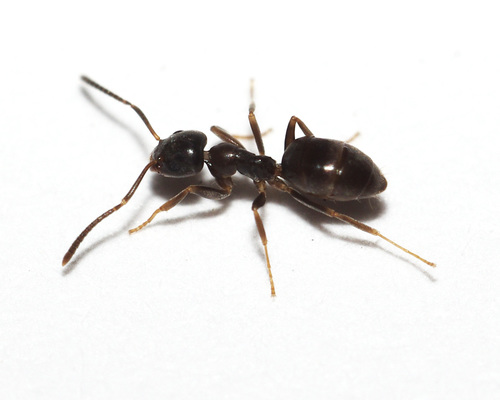
Virginia, US
You might spot Odorous House Ant and Willow Leaf Beetle.
View guide →

California, US
You might spot Eastern Fox Squirrel, Common Raven, and Mourning Dove.
View guide →

Oklahoma, US
You might spot Three-Toed Box Turtle and Blackjack Oak.
View guide →
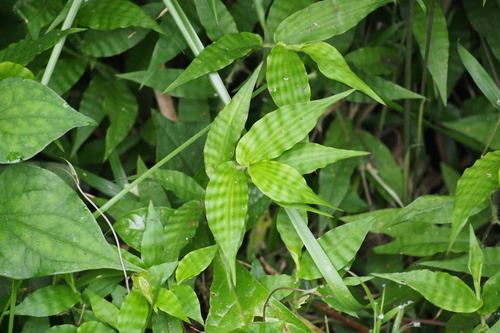
Virginia, US
You might spot Wavyleaf Basketgrass and Asian Jumpseed.
View guide →