





Black Garden Ant
Myrmecophilus acervorum
Black Garden Ants are small, shiny black ants that love to gather food. They are often seen in gardens and parks.
Habitat: Gardens and parks
The Black Garden Ant is a small insect with a shiny, dark black or dark brown body, typically 3-5mm long for workers. It has a clearly segmented body, six legs, and two elbowed antennae. This common ant is easily recognized by its uniform dark color, differing from lighter or bicolored ants.
Category
InsectsRarity
Common
Danger
2/5 · Low
Snaps
1
A single Black Garden Ant queen can live for over 15 years, starting huge colonies!
Ants use their antennae to 'smell' and 'feel' their way around their entire world!
If an ant finds a crumb, it can quickly tell thousands of its friends where it is!
They don't have lungs; oxygen gets in through tiny holes on their bodies called spiracles!
Black Garden Ant can lift objects many times its own weight because of its strong exoskeleton and muscle structure, which helps them transport food.
Black Garden Ant has a unique ability to lay invisible pheromone trails that helps them guide other ants directly to newly discovered food sources.
Black Garden Ant can 'farm' aphids, protecting them from predators in exchange for nutrient-rich honeydew that helps feed the colony.
These ants are omnivores, eating both sugary treats and protein-rich snacks.
Aphis fabae
Protects aphids for their sweet honeydew.
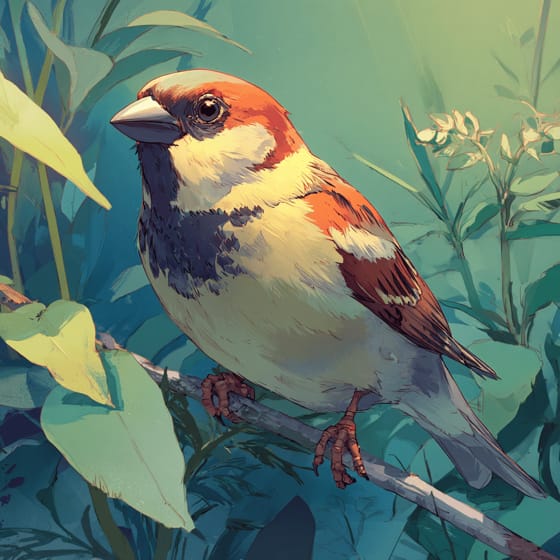
Passer domesticus
Can be a food source for various birds.
Araneus diadematus
Frequently caught in spiderwebs.
Wildlife encompasses all undomesticated animal and plant life existing in their natural habitats.
Social animals live in organized groups, cooperating for survival benefits such as foraging, defense, and raising offspring.
This trait identifies organisms whose diet includes both plant and animal matter.
This trait signifies organisms belonging to a very old evolutionary group with ancestors dating back millions of years.

This trait characterizes organisms with an exceptionally long lifespan compared to others of their kind.

This habitat trait indicates species that can coexist with humans in urban and suburban environments, utilizing man-made structures and green spaces.
Danger
2/5 · Low
Do not touch or pick up. Some insects sting or bite. Ask an adult for help.
The easiest way to identify Black Garden Ant is to use the Snappit nature identifier app.
3-9 mm
60-5475 days
These ants are omnivores, eating both sugary treats and protein-rich snacks.
Gardens and parks
Foraging
6
15000
Zoom in to split clusters and explore where this object has been snapped.
Take the discovery with you
Snap it with Snappit to identify it, learn what makes it special, and add the discovery to your collection.





.jpg)





.jpg&width=800)




