




Longhorn Beetles
cerambycidae
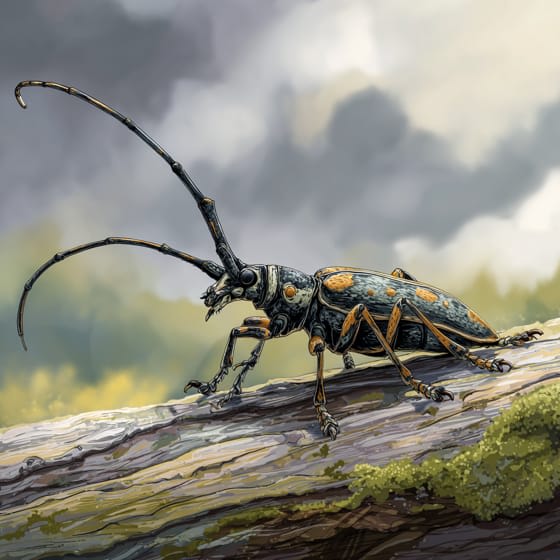
Longhorn beetles are amazing insects known for their long antennae and vibrant colors! They can often be found on trees and are great at helping to break down wood as they grow.
Habitat: Forests, woodlands, and areas with dead or decaying trees.
The Longhorn Beetles has distinctively long antennae, often longer than their body, and a sturdy, elongated body. Their exoskeletons can be dull brown, black, or even metallic green, sometimes with striking patterns. This length of antennae makes them easy to spot.
Category
InsectsRarity
Common
Danger
1/5 · Very low
Snaps
Be the first to snap!
Larvae can cause massive damage to trees and wooden buildings!
Some longhorn beetles can make squeaking sounds by rubbing parts of their body together!
Some longhorns mimic wasps or ants to scare away predators!
The Titan beetle, a longhorn, is one of the world's heaviest beetles!
Longhorn Beetles has incredibly long antennae that help them find mates, food, and suitable places to lay eggs by detecting smells.
Longhorn Beetles can use their strong mandibles to bore tunnels into wood, providing shelter and a place for their larvae to grow.
Many Longhorn Beetles have excellent camouflage patterns and colors that help them blend into tree bark, hiding from predators.
Longhorn Beetles can release special scent signals called pheromones to attract other beetles for mating, even from a distance.
Longhorn larvae munch on wood, while adults often sip nectar or sap from plants.
Age differences: Larvae bore into and consume wood, while adults typically feed on plant sap, nectar, or pollen.
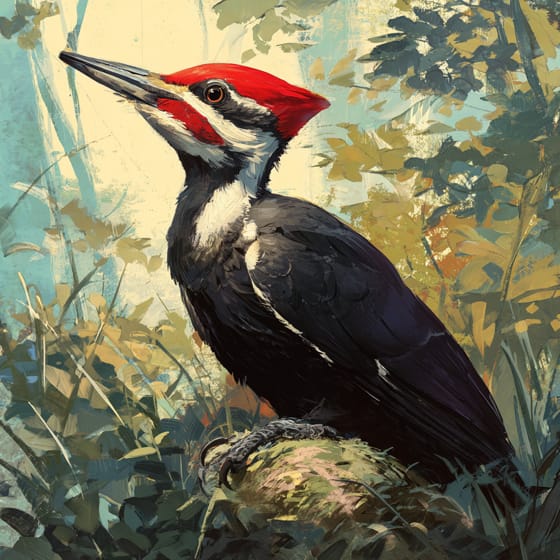
Dryocopus pileatus
Feeds on larvae in wood.
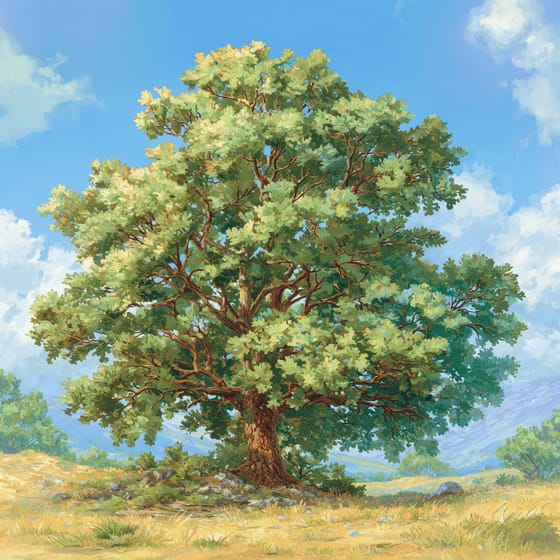
Quercus alba
Larvae bore into the wood.
Asclepias syriaca
Adults visit for nectar.
Rhyssa persuasoria
Lays eggs on larvae.
Colorful describes organisms or objects displaying a wide range of bright and distinct colors.
This trait characterizes organisms whose diet consists entirely or primarily of plant material.
Forest habitats are terrestrial environments dominated by dense tree cover, supporting a high diversity of plant and animal life.
Diurnal animals are primarily active during daylight hours, typically resting or sleeping at night.

Nocturnal animals are primarily active during the nighttime hours, typically resting or sleeping during the day.
Danger
1/5 · Very low
No special safety notes yet.
15-120 mm
10-60 mm
30-100 days
5-15 km/h
Longhorn larvae munch on wood, while adults often sip nectar or sap from plants.
Forests, woodlands, and areas with dead or decaying trees.
Foraging
6
Zoom in to split clusters and explore where this object has been snapped.
Recent snaps will appear here as new observations are added.