

False Chanterelle
Hygrophoropsis
The False Chanterelle looks like a golden mushroom but isn't edible! It's a pretty find for nature lovers.
Habitat: In forests and grassy areas
The False Chanterelle has a vibrant orange to yellow velvety cap with a slightly depressed center. Unlike true chanterelles, it possesses true, deeply forked gills that are bright orange and run down its stem. Its overall appearance can easily be mistaken for an edible chanterelle.
Category
FungiRarity
Common
Danger
1/5 · Very low
Snaps
Be the first to snap!
Despite its name, it’s not related to true chanterelles at all!
Found almost worldwide, this bright fungus is a global forest helper!
It helps clean up dead plant matter, like a tiny forest housekeeper.
Its scientific name 'aurantiaca' means 'orange,' like its vibrant color!
False Chanterelle can break down dead wood because of special enzymes that help it return nutrients to the forest soil.
False Chanterelle has countless tiny spores that it can release into the wind to grow new fungi in other places.
False Chanterelle has uniquely forked gills that help increase the surface area for producing millions of spores.
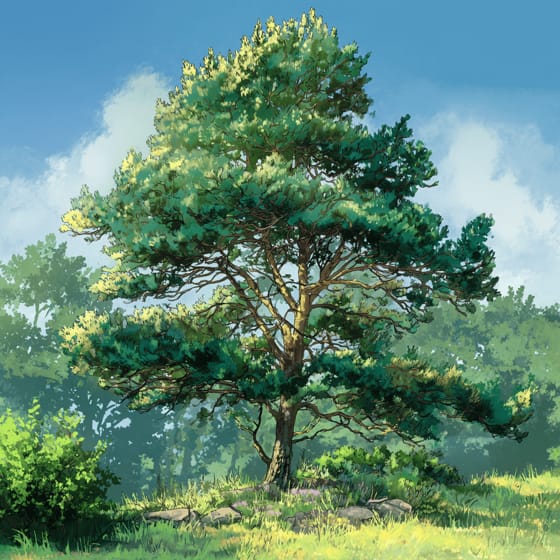
Pinus sylvestris
Decomposes dead wood of this tree species.
Quercus robur
Breaks down fallen branches and logs of oaks.
Arion ater
Slugs occasionally feed on its mushroom caps.
Deciduous plants periodically shed all their leaves, typically during autumn or dry seasons.
Spore-producing organisms reproduce by releasing small, often single-celled, reproductive units called spores.
Colorful describes organisms or objects displaying a wide range of bright and distinct colors.
This trait refers to fungal species that are safe for human consumption when properly identified and prepared.

Forest habitats are terrestrial environments dominated by dense tree cover, supporting a high diversity of plant and animal life.
Danger
1/5 · Very low
Do not pick or eat anything you find. Some plants and mushrooms can be harmful.
3-8 cm
inedible
2-10 cm
In forests and grassy areas
wood
Fall
White to yellowish
Zoom in to split clusters and explore where this object has been snapped.
Recent snaps will appear here as new observations are added.