




Forsythia
Forsythia
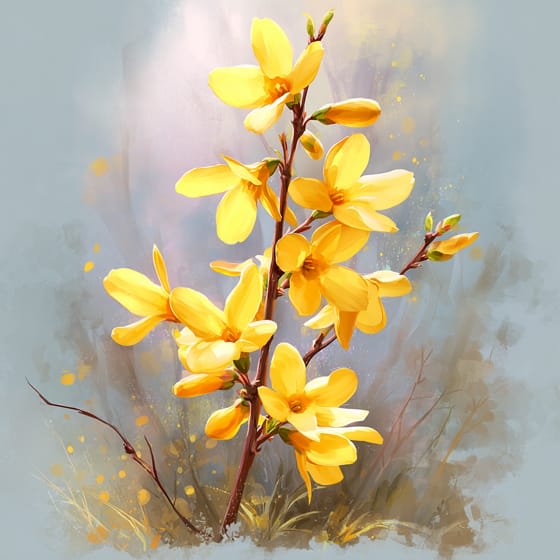
Forsythia flowers are bright yellow and bloom in early spring. They are one of the first flowers to show up after winter!
Habitat: Forsythias love sunny locations and are one of the first flowers to bloom in spring.
The Forsythia is a deciduous shrub that bursts into a spectacular display of bright yellow, bell-shaped flowers on bare branches in early spring. Its vibrant blooms appear before any leaves, creating a striking golden spectacle.
Category
PlantsRarity
Common
Danger
1/5 · Very low
Snaps
Be the first to snap!
Extracts from Forsythia fruits have been used in traditional medicine for centuries!
Forsythia branches are sometimes 'forced' indoors to bloom early for decoration.
Forsythia is one of the first shrubs to burst into brilliant yellow in spring!
Its four-petaled, bell-shaped flowers inspired its nickname, 'golden bells'.
Forsythia can bloom bright yellow flowers on bare branches, helping it attract early pollinators before other plants have leaves.
Forsythia has arching stems that can root where they touch the ground, helping it spread and colonize new areas efficiently.
Forsythia can be easily grown from cuttings, allowing it to quickly regrow or spread from just a piece of its stem.
Apis mellifera
Collects nectar and pollen from early blooms.
Bombus impatiens
One of the first insects to visit early spring flowers.
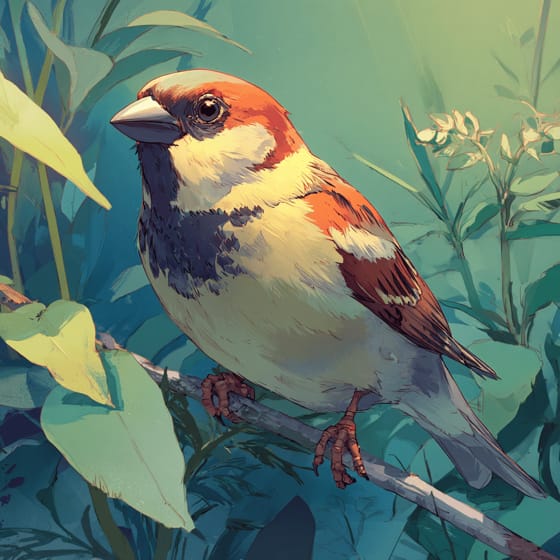
Passer domesticus
Uses dense branches for nesting and roosting.
Deciduous plants periodically shed all their leaves, typically during autumn or dry seasons.
Ornamental plants are cultivated primarily for their aesthetic appeal, enhancing landscapes and gardens with their attractive foliage, flowers, or form.
A shrub is a woody plant smaller than a tree, typically with multiple stems branching from or near the ground.
Spring blooming plants produce their flowers during the spring season, often signifying the end of winter and the start of new growth.

Fragrant flowers emit a pleasant aroma, often to attract pollinators or for defense.

This habitat trait indicates species that can coexist with humans in urban and suburban environments, utilizing man-made structures and green spaces.
Danger
1/5 · Very low
Explore with care and ask an adult if you’re unsure what to do.
100-300 cm
100-300 cm
1-3 cm
Early spring
No
None
Perennial
Insect
Zoom in to split clusters and explore where this object has been snapped.
Recent snaps will appear here as new observations are added.