



Domestic Goose
Anser anser domesticus
Domestic geese are friendly birds often found on farms. They have fluffy feathers and love to swim in water.
The Domestic Goose has a sturdy, often heavy body with a long, flexible neck and typically bright orange or pinkish-orange beak and feet. Their plumage commonly ranges from pure white to grey or mottled brown, often appearing larger and bulkier than their wild ancestors.
Category
BirdsRarity
Common
Danger
2/5 · Low
Snaps
Be the first to snap!
A group of geese on the ground is called a gaggle, but in flight, they are a skein!
Geese have an amazing memory and can recognize individual people, even years later!
Geese honk in different ways to share information, like alarm calls or greetings!
Some goose breeds can lay over 50 eggs in a single year!
Domestic Geese have excellent eyesight and hearing that helps them detect potential dangers and alert the flock.
Domestic Geese possess a strong, serrated bill perfect for clipping and eating various grasses and plants efficiently.
Domestic Geese have webbed feet that help them paddle powerfully through water for swimming and foraging.
Domestic geese are herbivores, happily grazing on various plants found in fields and shallow waters.

Poa pratensis
Provides a primary food source for grazing.
Trifolium repens
A common and nutritious dietary component.

Canis familiaris
Can prey on geese, especially goslings.
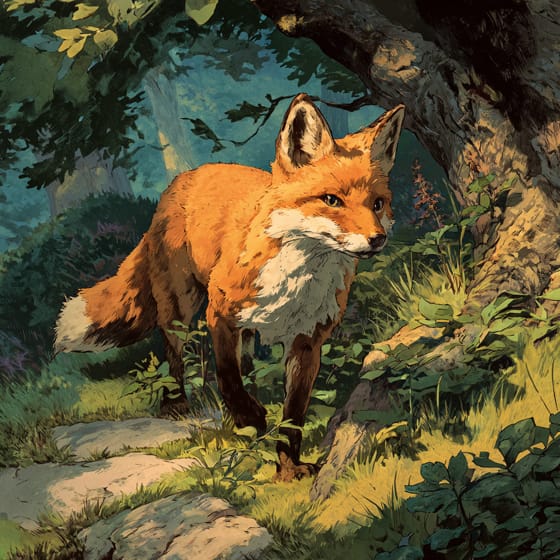
Vulpes vulpes
A common predator of geese and their eggs.
Feathered describes animals, primarily birds, possessing a covering of feathers.
Characterized by having toes connected by a membrane, typically aiding in swimming.
Social animals live in organized groups, cooperating for survival benefits such as foraging, defense, and raising offspring.
This trait characterizes organisms whose diet consists entirely or primarily of plant material.

Domesticated refers to species that have been selectively bred and tamed by humans for specific purposes.

This habitat trait identifies species found in wetlands, which are areas of land saturated with water, either permanently or seasonally, including marshes, swamps, and bogs.

Migratory animals undertake seasonal movements from one region to another, typically in response to changes in climate or food availability.

Nocturnal animals are primarily active during the nighttime hours, typically resting or sleeping during the day.
Danger
2/5 · Low
Geese can be protective of their space, so it's best to observe them from a distance.
70-90 cm
130-180 cm
3-10 kg
10-25 years
75 km/h
Domestic geese are herbivores, happily grazing on various plants found in fields and shallow waters.
Grazing
5-15
Zoom in to split clusters and explore where this object has been snapped.
Recent snaps will appear here as new observations are added.