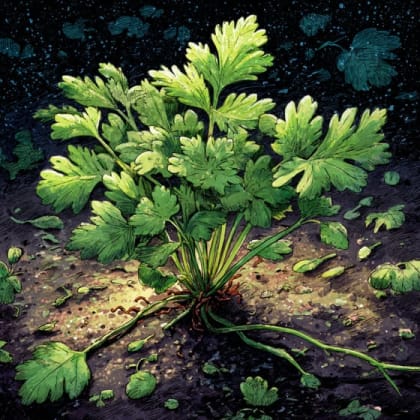
Sweet Pea
Lathyrus odoratus
Sweet Peas are lovely flowers that smell wonderful! They come in many colors and are great for attracting bees and butterflies.
Habitat: Sweet peas love to climb in sunny gardens.
The Sweet Pea is a climbing plant featuring delicate, often ruffled flowers in a stunning array of colors, including white, pink, purple, and bi-colors. Its blooms are known for their exquisite fragrance and unique butterfly-like shape, making them visually distinct.
Category
PlantsRarity
Common
Danger
1/5 · Very low
Snaps
Be the first to snap!
Gardeners sometimes 'deadhead' spent flowers to encourage even more blooms to appear.
Its scientific name "odoratus" means "fragrant," a perfect description of its lovely scent!
Sweet Peas were first brought to England from Sicily over 300 years ago!
Though beautiful, eating Sweet Pea seeds can cause mild stomach upset in humans.
Sweet Pea has a strong, sweet fragrance that helps it attract pollinators like bees from a distance.
Sweet Pea can grow long, coiling tendrils that help it grasp onto supports and climb upwards for sunlight.
Sweet Pea has root nodules containing bacteria that convert atmospheric nitrogen into a usable form, enriching the soil.
Apis mellifera
Visits flowers for nectar and pollen.
Bombus impatiens
Gathers pollen from the uniquely shaped flowers.
Rhizobium leguminosarum
Fixes nitrogen in root nodules, benefiting the plant.
Cluster flowers are inflorescences where individual flowers are arranged closely together on a common stem.
Spring blooming plants produce their flowers during the spring season, often signifying the end of winter and the start of new growth.
Fragrant flowers emit a pleasant aroma, often to attract pollinators or for defense.
This habitat trait indicates species that can coexist with humans in urban and suburban environments, utilizing man-made structures and green spaces.
Danger
1/5 · Very low
Explore with care and ask an adult if you’re unsure what to do.
150-250 cm
30-60 cm
2-4 cm
Spring to Summer
No
Mild
Annual
Insect
Zoom in to split clusters and explore where this object has been snapped.
Recent snaps will appear here as new observations are added.