





Spirea
Spiraea
Spirea is a beautiful flowering plant that loves the sunshine! Its colorful blooms can make any garden look cheerful and bright.
Habitat: Gardens and parks
The Spirea is a beautiful shrub adorned with dense clusters of tiny white, pink, or red flowers. Its arching branches are covered in small, vibrant green leaves, often creating a mounding or upright shape. It stands out with its abundant, showy blooms that blanket the plant.
Category
PlantsRarity
Common
Danger
1/5 · Very low
Snaps
Be the first to snap!
Some Spirea types are nicknamed 'Bridal Wreath' for their cascading white flowers!
Spirea shrubs can live for many, many years, becoming a long-time garden friend!
Their tiny flowers grow in huge clusters, making a big, colorful splash in nature!
You can find Spirea growing wild on mountainsides and along sunny riverbanks!
Spirea has abundant, nectar-rich flowers that attract and feed essential pollinators like bees and butterflies, helping them thrive.
Spirea can develop strong, fibrous root systems that help anchor soil on slopes, preventing erosion and keeping land stable.
Spirea can tolerate a wide range of soil conditions and even some air pollution, allowing it to grow in diverse environments.
Apis mellifera
gathers nectar and pollen from flowers
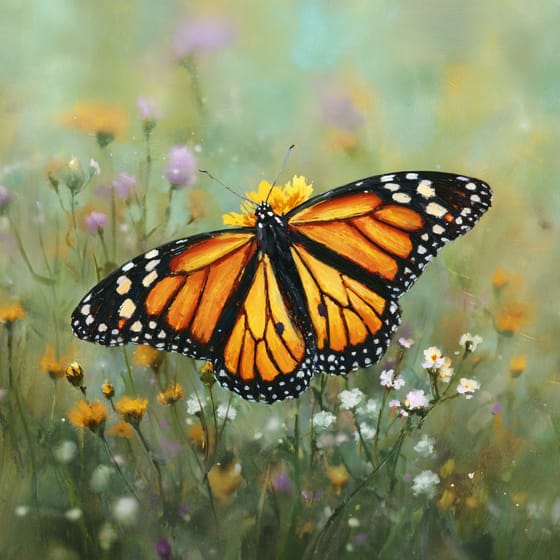
Danaus plexippus
visits flowers for sweet nectar fuel
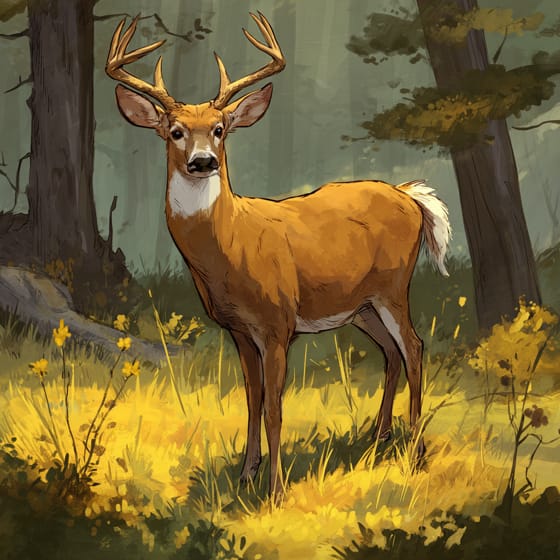
Odocoileus virginianus
browses on leaves and young stems
%2C_Parc_de_Woluw%C3%A9%2C_Brussels_(13042792905).jpg&width=800)
Parus major
builds nests and hides among dense branches
Deciduous plants periodically shed all their leaves, typically during autumn or dry seasons.
Flowering plants are any plants that produce flowers as part of their reproductive cycle.
Ornamental plants are cultivated primarily for their aesthetic appeal, enhancing landscapes and gardens with their attractive foliage, flowers, or form.
A shrub is a woody plant smaller than a tree, typically with multiple stems branching from or near the ground.

Fragrant flowers emit a pleasant aroma, often to attract pollinators or for defense.

This habitat trait indicates species that can coexist with humans in urban and suburban environments, utilizing man-made structures and green spaces.
No aliases listed yet.
Danger
1/5 · Very low
Explore with care and ask an adult if you’re unsure what to do.
The easiest way to identify Spirea is to use the Snappit nature identifier app.
50-200 cm
60-250 cm
0.5-1.5 cm
Spring to early Summer
No
None
Perennial
Zoom in to split clusters and explore where this object has been snapped.
Recent snaps will appear here as new observations are added.
Take the discovery with you
Snap it with Snappit to identify it, learn what makes it special, and add the discovery to your collection.







.jpg&width=800)


_001.jpg&width=800)




