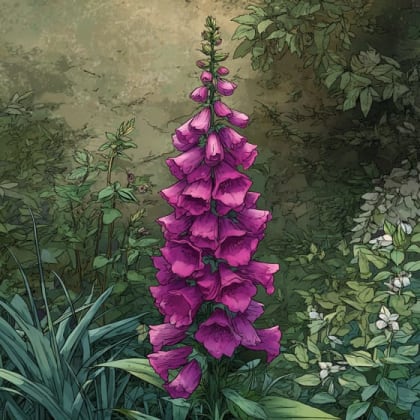





Lotus
Lotus
The lotus is a beautiful flower that blooms on the surface of water. It is known for its lovely petals and is often seen in ponds.
Habitat: Ponds and shallow waters
The Lotus has large, round leaves that float on the water, often reaching 60cm wide. Its striking, multi-petaled flowers bloom in white or various shades of pink, rising on stiff stems above the leaves, with a prominent yellow center.
Category
PlantsRarity
Common
Danger
1/5 · Very low
Snaps
Be the first to snap!
Its amazing leaves are naturally self-cleaning, always looking sparkling fresh.
Lotus flowers can mysteriously keep themselves warm, even in cool temperatures.
The air trapped in its stems helps the lotus breathe underwater!
The oldest known viable lotus seed sprouted after over 1,300 years!
Lotus leaves have a superhydrophobic surface that sheds water and dirt, keeping them remarkably clean and healthy.
Some lotus flowers can generate heat, attracting pollinators and helping them develop properly.
Lotus seeds can remain viable for hundreds, even thousands, of years, waiting for the perfect time to sprout.
Apis mellifera
collects nectar and pollen
Bombus impatiens
collects nectar and pollen
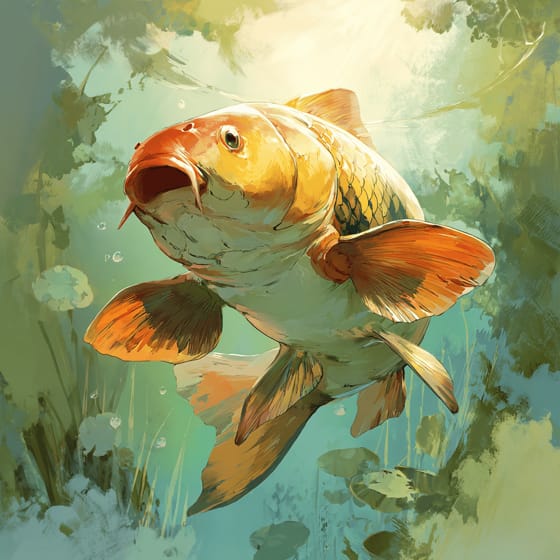
Cyprinus carpio
may feed on young roots or shoots
Anas platyrhynchos
nests among its dense leaves
Flowering plants are any plants that produce flowers as part of their reproductive cycle.
Shade tolerant plants are adapted to grow and thrive in areas with low light levels, requiring less direct sunlight.
Fragrant flowers emit a pleasant aroma, often to attract pollinators or for defense.
This habitat trait identifies species found in wetlands, which are areas of land saturated with water, either permanently or seasonally, including marshes, swamps, and bogs.

Aquatic habitats encompass environments where organisms live predominantly in water, including oceans, rivers, lakes, and wetlands.
Danger
1/5 · Very low
Explore with care and ask an adult if you’re unsure what to do.
50-150 cm
100-300 cm
10-30 cm
Summer
Yes
None
Perennial
Insect
Zoom in to split clusters and explore where this object has been snapped.
Recent snaps will appear here as new observations are added.