Atlas Moth
Attacus atlas
The Atlas Moth is one of the largest moths in the world, with wings that can be as big as a dinner plate! Its beautiful patterns are like art.
Habitat: Tropical and subtropical forests
The Atlas Moth is a giant, reddish-brown moth with intricate patterns and snake-head-like wingtips. Its large wings feature prominent white, black, and red lines, and transparent triangular windows. These unique patterns make it look distinct from other moths.
Category
InsectsRarity
Rare
Danger
2/5 · Low
Snaps
Be the first to snap!
It's often mistaken for a bird because of its enormous size!
Its caterpillars are green and can grow as thick as a thumb!
Its name comes from Atlas, a giant Titan in Greek myths.
The empty cocoons are sometimes used as purses in Taiwan.
Atlas Moth has wingtips that look like snake heads because of their patterns, helping them scare away predators.
Atlas Moth can live without eating as an adult, because they store energy from their caterpillar stage that helps them survive.
Atlas Moth larvae can spin huge, strong silk cocoons that help protect them during their transformation.
Adults don't eat, but their caterpillars munch on leaves from many tropical plants!
Age differences: Adult moths do not have mouths and cannot eat; they rely on energy stored as caterpillars.
Draco volans
Lizards might prey on larvae or pupae.
Hierodula membranacea
Large mantises can ambush caterpillars.
Cinnamomum camphora
Larvae feed on its leaves.
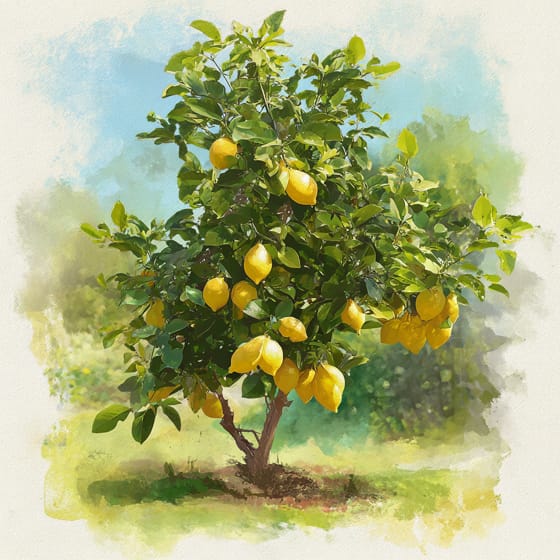
Citrus limon
Larvae munch on citrus leaves.
Camouflaged describes organisms that possess coloring or patterns that allow them to blend into their environment.
Colorful describes organisms or objects displaying a wide range of bright and distinct colors.
This trait characterizes organisms whose diet consists entirely or primarily of plant material.
This trait signifies organisms belonging to a very old evolutionary group with ancestors dating back millions of years.

This trait characterizes organisms with an exceptionally long lifespan compared to others of their kind.
This habitat trait refers to species found in tropical rainforests, characterized by high annual rainfall, high biodiversity, and dense tree cover.

Giant describes organisms or objects of significantly larger size than average for their species or type.

Nocturnal animals are primarily active during the nighttime hours, typically resting or sleeping during the day.

Describes organisms that transfer pollen, enabling the fertilization and reproduction of plants.
No aliases listed yet.
Danger
2/5 · Low
Do not touch or pick up. Some insects sting or bite. Ask an adult for help.
200-300 mm
50-80 mm
5-10 days
Adults don't eat, but their caterpillars munch on leaves from many tropical plants!
Tropical and subtropical forests
Foraging
6
Zoom in to split clusters and explore where this object has been snapped.
Recent snaps will appear here as new observations are added.