





Cave Scorpion
Pseudouroctonus sprousei Francke &
Cave Scorpions are fascinating creatures that live in dark caves. They have pincers and a curved tail with a venomous stinger. These scorpions are experts at hiding in rocky crevices.
Habitat: Caves
The Cave Scorpion has a slender, pale yellowish-brown body, often translucent, allowing it to blend into its rocky underground habitat. It features a long, segmented tail ending in a venomous stinger and two prominent pincers. Its unpigmented eyes are small, reflecting its adaptation to dark environments.
Category
InsectsRarity
Common
Danger
3/5 · Moderate
Snaps
Be the first to snap!
Baby scorpions ride on their mother's back until their first molt!
Scorpions existed even before dinosaurs walked the Earth!
Some scorpions can survive being frozen solid and then thaw out!
Their exoskeletons shed multiple times as they grow, like a snake!
Cave Scorpions can detect tiny vibrations through specialized hairs, helping them locate prey or avoid predators in complete darkness.
Cave Scorpions have a unique cuticle that glows a vivid blue-green under ultraviolet light, helping scientists find them.
Cave Scorpions possess a venomous stinger on their tail that helps them paralyze prey or deter potential threats.
Cave Scorpions have a slow metabolism, allowing them to survive for many months without food or water in harsh conditions.
This tiny hunter ambushes small insects and other invertebrates in the dark.
Gryllus assimilis
A common cave insect prey.
-left_01.jpg&width=800)
Porcellionides pruinosus
Another small invertebrate prey.
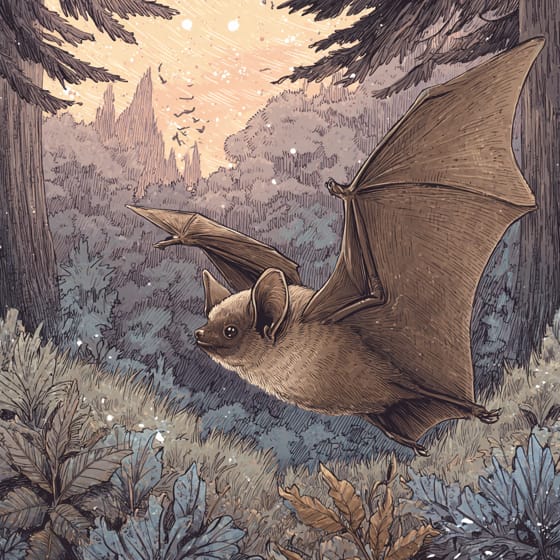
Myotis lucifugus
Bats are known predators of scorpions.
Scolopendra heros
Larger centipedes can prey on scorpions.
Wildlife encompasses all undomesticated animal and plant life existing in their natural habitats.
Camouflaged describes organisms that possess coloring or patterns that allow them to blend into their environment.
Cave dwelling describes organisms specifically adapted to live in underground cave systems, often exhibiting specialized traits due to lack of light.
This trait identifies organisms whose diet consists entirely or primarily of animal tissue.

Pertaining to organisms that emit light through bioluminescence or fluorescence.

Nocturnal animals are primarily active during the nighttime hours, typically resting or sleeping during the day.

Venomous organisms produce toxins that are injected into another animal, typically through a bite or sting.
No aliases listed yet.
Danger
3/5 · Moderate
Never touch or disturb a Cave Scorpion in its natural habitat. Always observe from a safe distance.
The easiest way to identify Cave Scorpion is to use the Snappit nature identifier app.
25-40 mm
730-1460 days
This tiny hunter ambushes small insects and other invertebrates in the dark.
Caves
Ambush
8
Zoom in to split clusters and explore where this object has been snapped.
Recent snaps will appear here as new observations are added.
Take the discovery with you
Snap it with Snappit to identify it, learn what makes it special, and add the discovery to your collection.









.jpg&width=800)




