Steppe Marmot
Marmota kastschenkoi Stroganov &
Steppe Marmots are chubby rodents that live in burrows underground. They have brown fur and short tails, and they love to play and dig in the grasslands.
Habitat: Grasslands
The Steppe Marmot is a stocky rodent with reddish-brown fur, often paler on its belly. Its head typically has a darker crown, contrasting with lighter cheeks. It has small ears and a short, bushy tail.
Category
MammalsRarity
Common
Danger
2/5 · Low
Snaps
Be the first to snap!
Marmot families greet each other with nose-to-nose 'kisses' to recognize colony members!
Steppe Marmots sometimes double their body weight before winter to fuel their super-long hibernation!
Their cozy burrows are like underground cities, often stretching over 10 meters long with many entrances.
Young marmots love to play-wrestle and chase, which helps them learn important survival skills.
Steppe Marmot can dig extensive burrows because of its strong claws, which provides safe homes and escape routes.
Steppe Marmot has an incredible ability to slow its body down, helping it survive long, cold winters underground.
Steppe Marmot can make loud, sharp whistle calls that warn its colony of predators, keeping everyone safe.
Steppe Marmot has the ability to store significant body fat that helps them sustain their long winter hibernation.
They munch on yummy grasses, leafy plants, and seeds to get all their energy for playing and growing.
Canis lupus
Wolves are a primary predator of the Steppe Marmot.
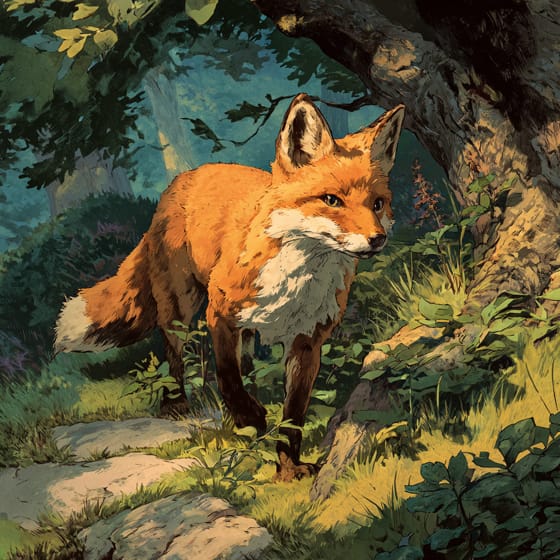
Vulpes vulpes
Red foxes frequently prey on Steppe Marmots, especially young ones.

Aquila chrysaetos
Golden Eagles are powerful aerial predators of marmots.
Wildlife encompasses all undomesticated animal and plant life existing in their natural habitats.
Furry describes animals possessing a dense covering of soft hair or fur.
Social animals live in organized groups, cooperating for survival benefits such as foraging, defense, and raising offspring.
Burrowing animals dig tunnels and chambers in the ground, using these subterranean structures for shelter, hunting, or breeding.

Grassland habitats are terrestrial biomes dominated by grasses and herbaceous plants, supporting a variety of grazing animals.

This trait characterizes organisms whose diet consists entirely or primarily of plant material.

This habitat trait describes species found in steppes, which are dry, treeless grasslands characterized by extreme seasonal temperature variations and low precipitation.

Hibernating animals enter a state of metabolic depression during cold periods or when food is scarce, characterized by reduced body temperature and activity.
Danger
2/5 · Low
Enjoy watching Steppe Marmots from a safe distance and never try to touch or disturb them.
49-65 cm
3.5-6.5 kg
7-12 years
25 km/h
They munch on yummy grasses, leafy plants, and seeds to get all their energy for playing and growing.
Grasslands
Foraging
4-6
Zoom in to split clusters and explore where this object has been snapped.
Recent snaps will appear here as new observations are added.