


Jelly Ear
Auricularia
The Jelly Ear fungus looks like a floppy ear! It is soft and squishy, and you can find it growing on dead trees.
Habitat: On decaying wood in forests
The Jelly Ear is a gelatinous, ear-shaped fungus, typically reddish-brown to dark brown, often with a velvety outer surface. Its wrinkled, wavy form strongly resembles a human ear, making it visually distinct from most other fungi found on wood.
Category
FungiRarity
Rare
Danger
1/5 · Very low
Snaps
Be the first to snap!
Chewing Jelly Ear creates a fun, slightly crunchy or 'squeaky' sensation!
It is commercially cultivated on logs or sawdust, especially in East Asia.
This mushroom's Latin name, *auricula-judae*, means 'Judas's ear,' linking it to a biblical story!
Traditional Chinese medicine uses Jelly Ear, believing it enhances blood circulation and well-being.
Jelly Ear can decompose dead deciduous wood because it produces enzymes that help them break down tough plant materials.
Jelly Ear has a flexible, gelatinous texture that helps them withstand freezing and thawing without damage.
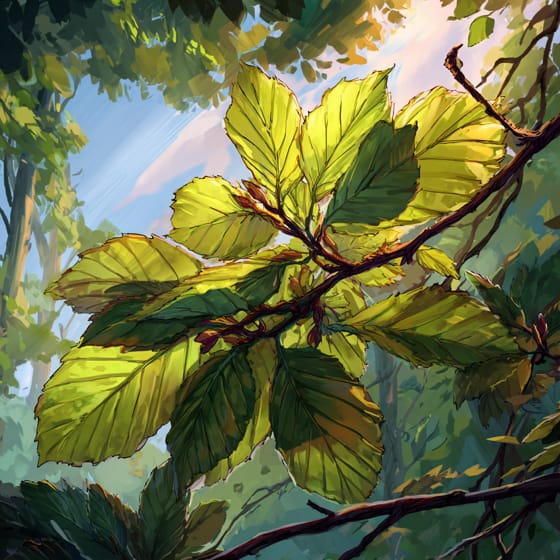
Fagus sylvatica
Decomposes dead wood of this common deciduous tree.
Sambucus nigra
Often found growing on dead or dying elder branches.
Arion ater
Slugs and snails sometimes feed on its soft, gelatinous fruiting body.
Deciduous plants periodically shed all their leaves, typically during autumn or dry seasons.
Spore-producing organisms reproduce by releasing small, often single-celled, reproductive units called spores.
Edible plants are those parts of a plant that are considered safe for human consumption.
Describes organisms that break down dead organic material, recycling nutrients back into the ecosystem.

Forest habitats are terrestrial environments dominated by dense tree cover, supporting a high diversity of plant and animal life.
Danger
1/5 · Very low
Do not pick or eat anything you find. Some plants and mushrooms can be harmful.
edible
3-10 cm
On decaying wood in forests
wood
Year-round, especially autumn to spring
White
Zoom in to split clusters and explore where this object has been snapped.
Recent snaps will appear here as new observations are added.