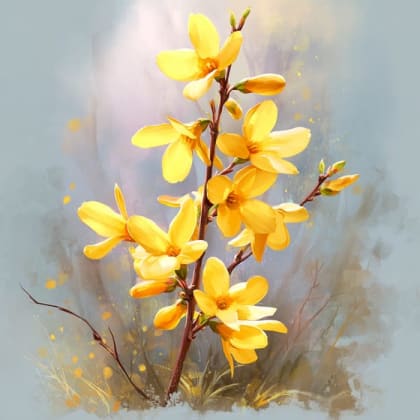

Pear
Pyrus
Pears are juicy fruits with a sweet taste. They come in different colors like green, yellow, or red. Pears are yummy to eat and are good for your body.
Habitat: Orchards
The Pear is a medium-sized tree, typically with simple, oval leaves and sturdy bark. In spring, it produces clusters of white to slightly pinkish flowers. Its most distinguishing feature is the sweet, often teardrop-shaped fruit that ripens in various shades of green, yellow, red, or brown.
Category
PlantsRarity
Common
Danger
1/5 · Very low
Snaps
Be the first to snap!
Ancient Greeks and Romans prized pears, even preserving them with honey for winter feasts.
Many pears ripen best *after* being picked, becoming sweeter and juicier off the tree.
Over 3,000 pear varieties exist, from crisp Asian types to soft European ones.
Pear fruit has tiny stone cells called 'sclereids' that give some types their slightly gritty texture.
Pear has sweet, juicy fruit that attracts animals, helping to spread its seeds far and wide for new trees to grow.
Some pear varieties can ripen after being picked, allowing for easier harvesting and extended freshness in storage.
Many pear trees are very tough, surviving cold winter temperatures to produce delicious fruit year after year.
Apis mellifera
collects nectar and pollen, aiding in fruit development
Homo sapiens
enjoys its sweet, nutritious fruit
Cydia pomonella
larvae burrow into fruit, eating the flesh and seeds
Martes foina
eats fallen ripe pears, helping to disperse seeds
Deciduous plants periodically shed all their leaves, typically during autumn or dry seasons.
Broadleaf trees are angiosperms characterized by flat, wide leaves that are typically shed annually in temperate climates.
Fruit-bearing plants produce fruits, which are the mature ovaries of flowering plants containing seeds.
A fruit tree is a perennial tree that produces fruit, which is edible to humans or animals.

Edible plants are those parts of a plant that are considered safe for human consumption.

This trait signifies organisms belonging to a very old evolutionary group with ancestors dating back millions of years.
Danger
1/5 · Very low
Always wash a pear before eating to remove any dirt or chemicals.
500-1500 cm
300-1000 cm
2-3 cm
Spring
Yes
None
Perennial
Insect
Zoom in to split clusters and explore where this object has been snapped.
Recent snaps will appear here as new observations are added.