





Gladiolus
Gladiolus
Gladiolus flowers are tall and come in many bright colors! They are often used in big bouquets and arrangements.
Habitat: Gladiolus flowers are often found in sunny garden beds.
The Gladiolus has striking, tall flower spikes densely packed with large, funnel-shaped blooms. Its sword-like leaves grow upright, supporting vibrant flowers that come in almost every color imaginable, often with contrasting throats.
Category
PlantsRarity
Common
Danger
1/5 · Very low
Snaps
Be the first to snap!
Ancient Romans gave gladiators gladiolus flowers for victory and honor!
Gladiolus flowers are famous for being one of the most popular cut flowers.
The name "Gladiolus" comes from the Latin word for a small sword.
You can find gladiolus flowers blooming in nearly every color, except true blue!
Gladiolus has corms, which are like underground energy bulbs, helping it survive winter and regrow each spring.
Its tall, brightly colored flower spikes act as beacons, attracting helpful insects like bees and butterflies from afar.
Gladiolus produces a wide array of vivid flower colors, increasing its chances of attracting various pollinators for reproduction.
Apis mellifera
Drinks nectar and carries pollen.
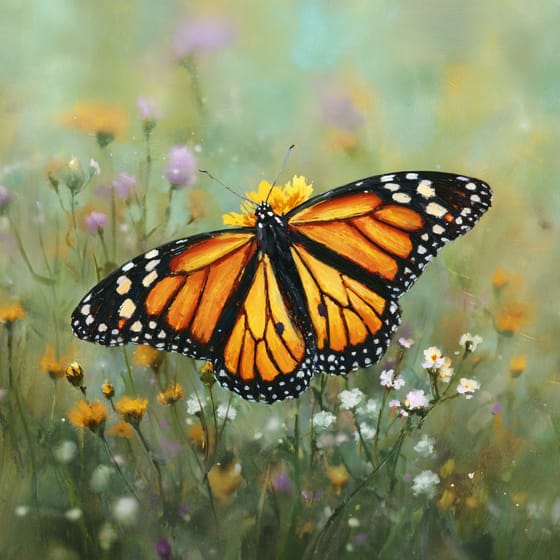
Danaus plexippus
Visits flowers for nectar, aiding reproduction.

Odocoileus virginianus
Deer browse on gladiolus leaves and flowers.

Cornu aspersum
Snails feed on tender gladiolus leaves.
Flowering plants are any plants that produce flowers as part of their reproductive cycle.
Colorful describes organisms or objects displaying a wide range of bright and distinct colors.
This habitat trait indicates species that can coexist with humans in urban and suburban environments, utilizing man-made structures and green spaces.
Danger
1/5 · Very low
Explore with care and ask an adult if you’re unsure what to do.
The easiest way to identify Gladiolus is to use the Snappit nature identifier app.
60-150 cm
15-30 cm
5-15 cm
Summer to early fall
No
Mild
Perennial
Zoom in to split clusters and explore where this object has been snapped.
Recent snaps will appear here as new observations are added.
Take the discovery with you
Snap it with Snappit to identify it, learn what makes it special, and add the discovery to your collection.








.jpg&width=800)



_001.jpg&width=800)




