






Cownose Ray
Rhinoptera bonasus
Cownose Rays have a unique shape that looks like a cow's nose! They are friendly and often swim in groups.
Habitat: Shallow coastal waters
The Cownose Ray has a distinctive, deeply notched snout with two prominent lobes that resemble a cow's nose. Its broad, diamond-shaped body is typically olive-brown to dark brown above and white below, with long, pointed pectoral fins.
Category
FishRarity
Common
Danger
2/5 · Low
Snaps
Be the first to snap!
Baby cownose rays are called pups, just like dog babies!
Their 'cow nose' lobes help them stir up the seabed for food.
They can jump completely out of the water sometimes!
They migrate in huge schools that can contain thousands of rays!
Cownose Ray can find hidden clams and oysters by sensing faint electric fields from buried prey with its specialized snout.
Cownose Ray has powerful, flat teeth that help them easily crush the hard shells of mollusks like oysters and clams.
Cownose Ray has a sharp, venomous barb near its tail base that helps them deter predators and protect themselves.
These rays dig for tasty clams, oysters, and crabs hiding in the sandy seabed.
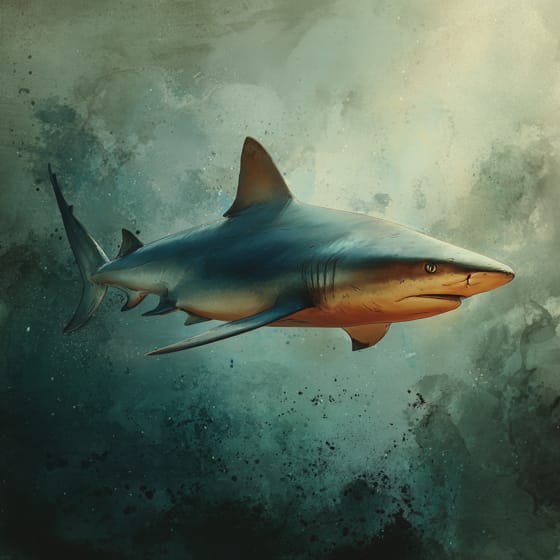
Carcharhinus leucas
A common predator that hunts young rays.
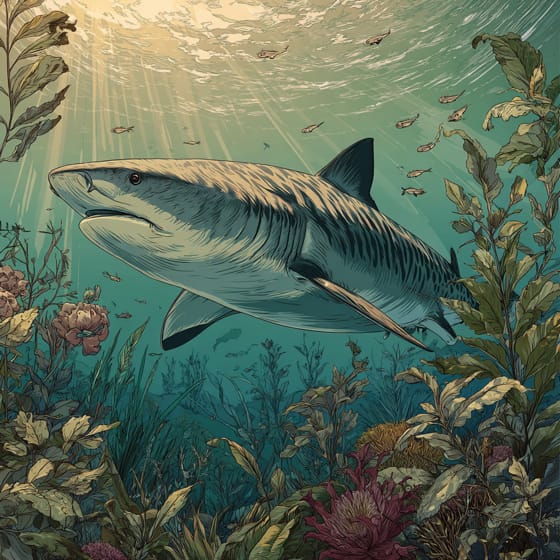
Galeocerdo cuvier
Larger sharks often prey on adult cownose rays.
Crassostrea virginica
A primary food source, crushed by their powerful jaws.
Mercenaria mercenaria
These rays dig these clams from the seabed.
Wildlife encompasses all undomesticated animal and plant life existing in their natural habitats.
Social animals live in organized groups, cooperating for survival benefits such as foraging, defense, and raising offspring.
Piscivorous organisms are animals that primarily subsist on a diet of fish.
Coastal habitats are dynamic environments located along the interface between land and sea, influenced by tides, waves, and saltwater.

Aquatic habitats encompass environments where organisms live predominantly in water, including oceans, rivers, lakes, and wetlands.
Danger
2/5 · Low
Watch quietly from a distance and never try to feed or chase wild animals.
50-90 cm
5-23 kg
15-20 years
These rays dig for tasty clams, oysters, and crabs hiding in the sandy seabed.
10 km/h
Shallow coastal waters
Foraging
40 m
Zoom in to split clusters and explore where this object has been snapped.
Recent snaps will appear here as new observations are added.
















