


Shaggy Ink Cap
Coprinus
The Shaggy Ink Cap looks like a little wizard's hat! It can change color and makes a black ink when it grows.
Habitat: In lawns and grassy areas
The Shaggy Ink Cap is a tall, white mushroom with an elongated, shaggy cap covered in flaky scales. It starts out egg-shaped but soon bells out, darkening and dissolving into a black liquid 'ink' from the bottom edge upwards, which is visually distinct.
Category
FungiRarity
Common
Danger
1/5 · Very low
Snaps
Be the first to snap!
Its 'ink' was once used to write letters and even sign important documents!
The cap digests itself so fast that you must cook it within hours of picking!
They often grow in groups, appearing like a small, white mushroom army.
This mushroom prefers disturbed areas where the ground has been recently changed.
Shaggy Ink Cap can melt into a dark liquid because of special enzymes that help them release their spores into the environment.
Shaggy Ink Cap has an ability to grow very quickly, sometimes appearing overnight, that helps them colonize new areas before competitors.
Arion ater
Slugs often graze on its young, tender caps.
Sciara analis
Its larvae burrow into and feed on the mushroom.
Lolium perenne
It breaks down dead grass roots in lawns and fields.
Shade tolerant plants are adapted to grow and thrive in areas with low light levels, requiring less direct sunlight.
Spore-producing organisms reproduce by releasing small, often single-celled, reproductive units called spores.
Edible plants are those parts of a plant that are considered safe for human consumption.
Grassland habitats are terrestrial biomes dominated by grasses and herbaceous plants, supporting a variety of grazing animals.
Danger
1/5 · Very low
Do not pick or eat anything you find. Some plants and mushrooms can be harmful.
5-20 cm
edible
3-10 cm
In lawns and grassy areas
soil
Spring to Fall
Black
Zoom in to split clusters and explore where this object has been snapped.
Recent snaps will appear here as new observations are added.

Pennsylvania, US
You might spot Orange Hawkweed and Hickory Tussock Moth.
View guide →

Massachusetts, US
You might spot Grey Cross Spider, Common Milkweed, and Roses.
View guide →
Washington, US
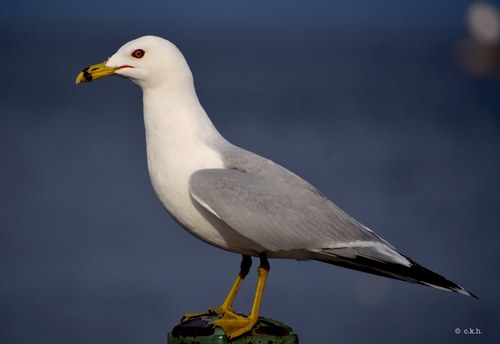
You might spot Ring-Billed Gull, Canada Goose, and Northern Saw-Whet Owl.
View guide →

Washington, US
You might spot Purple Foxglove, Tansy, and Broad-Leaved Sweet Pea.
View guide →
Washington, US
You might spot Madrone Skin Miner and Pacific Madrone.
View guide →