






Little Bustard
Tetrax tetrax
The Little Bustard is a small bird with a big personality! Males have a funny display where they puff up their necks to impress females. They live in open grasslands and make a funny 'prrt' sound.
Habitat: Grasslands
The Little Bustard is a medium-sized bird with a striking black and white neck pattern on males, forming a distinct V-shape. Females are camouflaged with mottled brown plumage to blend into their surroundings. Both sexes have a pale belly and strong legs.
Category
BirdsRarity
Common
Danger
1/5 · Very low
Snaps
Be the first to snap!
Its scientific name, Tetrax, means 'four-legged,' but this bird only has two!
Male Little Bustards perform an amazing 'sky-dance,' flying high and then dropping quickly!
They sometimes swallow small stones to help grind up tough seeds and insects in their tummies.
When scared, they often prefer to crouch down in the grass, hoping predators won't see them.
Little Bustard has mottled brown feathers that helps them blend perfectly into dry grasslands, making them almost invisible to predators.
Male Little Bustards can puff up their black and white neck feathers, creating an eye-catching V-shape during courtship dances.
Little Bustard can spring into the air quickly to escape danger, using strong leg muscles for a powerful, sudden takeoff.
Little Bustards eat a mix of insects and plants, like yummy beetles, ants, and seeds, found right on the ground.
Age differences: Young birds eat more insects for protein, while adults consume more plant material.
Circus pygargus
Preys on eggs and chicks in nesting areas.
Tenebrio molitor
A common insect larva eaten by Little Bustards.
Triticum aestivum
Consumes seeds and young shoots from fields.
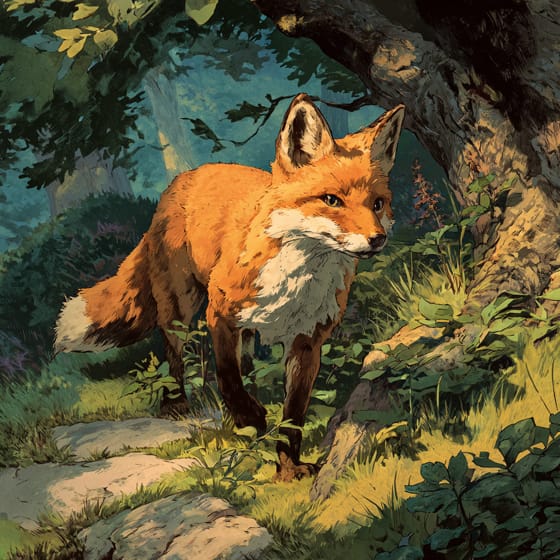
Vulpes vulpes
Predates on nests, eggs, and adult bustards.
This trait identifies organisms whose diet includes both plant and animal matter.
Singing animals produce complex vocalizations, often for purposes of attracting mates, defending territory, or communicating within their species.
Camouflaged describes organisms that possess coloring or patterns that allow them to blend into their environment.
Grassland habitats are terrestrial biomes dominated by grasses and herbaceous plants, supporting a variety of grazing animals.

This habitat trait describes species found in steppes, which are dry, treeless grasslands characterized by extreme seasonal temperature variations and low precipitation.

Diurnal animals are primarily active during daylight hours, typically resting or sleeping at night.

This trait identifies organisms that exhibit exceptional swiftness in movement for hunting, escape, or travel.

Migratory animals undertake seasonal movements from one region to another, typically in response to changes in climate or food availability.
Danger
1/5 · Very low
Enjoy watching these birds from a safe distance without disturbing them.
40-45 cm
100-110 cm
0.5-1 kg
8-10 years
70 km/h
Little Bustards eat a mix of insects and plants, like yummy beetles, ants, and seeds, found right on the ground.
Grasslands
Foraging
Zoom in to split clusters and explore where this object has been snapped.
Recent snaps will appear here as new observations are added.















