






Great Crested Grebe
Podiceps cristatus
The Great Crested Grebe is a beautiful bird with a fancy crest on its head. It loves to dive underwater to catch fish and build floating nests on lakes.
Habitat: Lakes
The Great Crested Grebe has a sleek body with a long, thin neck, a dark cap, and a pure white belly. Its most distinctive features are the dark double crests (ears) and chestnut-red ruff framing its white face, along with striking red eyes.
Category
BirdsRarity
Common
Danger
1/5 · Very low
Snaps
5
Great Crested Grebes have lobed feet, not fully webbed, perfect for powerful swimming!
Grebes eat their own feathers to help digest fish and protect their insides!
Their nests are floating platforms of vegetation, anchored to underwater plants!
Tiny grebe chicks often ride on their parents' backs, even during dives!
Great Crested Grebe can perform complex, synchronized courtship dances because of their strong pair bonds that help them attract a mate.
Great Crested Grebe can dive deep underwater for extended periods because of their streamlined body that helps them hunt fish effectively.
Great Crested Grebe has a strong back and waterproof feathers that help them safely carry their chicks, protecting them from predators and cold.
Great Crested Grebe can swim incredibly fast underwater because of their powerful, lobed feet positioned far back on their body that help them propel.
These birds mainly hunt fish and aquatic insects by diving underwater.
Age differences: Young chicks eat tiny invertebrates, then gradually switch to fish as they grow.
Haliaeetus albicilla
Large eagles can prey on adult grebes near water.
Lutra lutra
Otters may ambush grebes from underwater or shore.
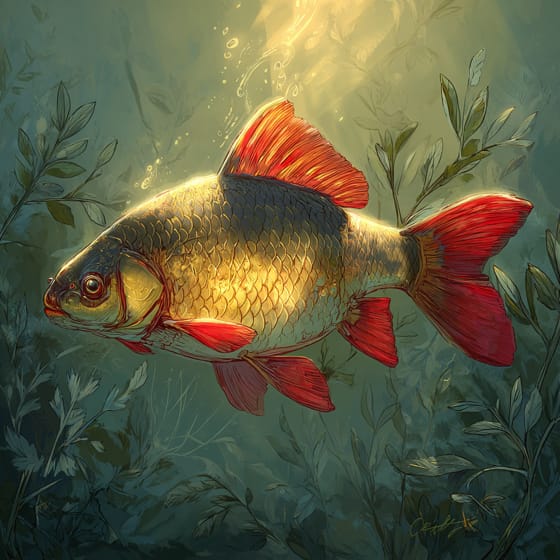
Rutilus rutilus
Often hunts roach, a common small fish in lakes.
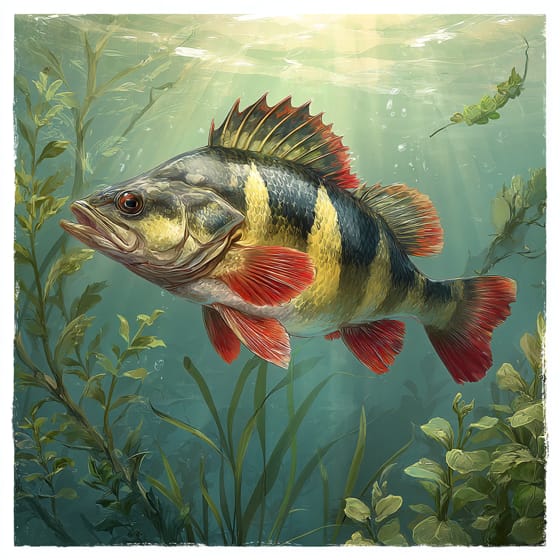
Perca fluviatilis
A skilled hunter of perch, a common prey fish.
Phragmites australis
Builds floating nests anchored among dense reed beds.
Wildlife encompasses all undomesticated animal and plant life existing in their natural habitats.
Feathered describes animals, primarily birds, possessing a covering of feathers.
Characterized by having toes connected by a membrane, typically aiding in swimming.
Crested describes animals possessing a prominent tuft of feathers, hair, or skin on their head.

Social animals live in organized groups, cooperating for survival benefits such as foraging, defense, and raising offspring.

Piscivorous organisms are animals that primarily subsist on a diet of fish.

Freshwater habitats include non-saline aquatic environments such as rivers, lakes, ponds, and wetlands, vital for numerous species.

Migratory animals undertake seasonal movements from one region to another, typically in response to changes in climate or food availability.
No aliases listed yet.
Danger
1/5 · Very low
Enjoy watching these birds from a distance to not disturb their nests or habitat.
46-51 cm
85-90 cm
0.8-1.4 kg
10-15 years
60 km/h
These birds mainly hunt fish and aquatic insects by diving underwater.
Lakes
Pursuit
Zoom in to split clusters and explore where this object has been snapped.

England, UK
You might spot Red Panda, European Lynx, and Emperor Tamarin.
View guide →

England, UK
You might spot African Lion, Komodo Dragon, and Common Ostrich.
View guide →

South Holland, NL
You might spot Grey Heron, Eurasian Jackdaw, and Common Moorhen.
View guide →

North Rhine-Westphalia, DE
You might spot Giant Otter, Giant Anteater, and Tamanduas.
View guide →

England, UK
You might spot Black Swan, Alder Leaf Beetle, and Wood Anemone.
View guide →

















