

Tahr
Hemitragus jemlahicus
The Tahr is a sure-footed mountain goat with shaggy fur and curved horns. It lives in rocky cliffs and steep slopes, leaping from rock to rock with ease.
Habitat: Mountain regions
The Tahr is a sturdy, goat-like mammal with a thick, reddish-brown to dark brown coat. Males have a distinctive shaggy mane around their neck and shoulders, along with impressive backward-curving horns that help distinguish them from similar mountain ungulates.
Category
MammalsRarity
Rare
Danger
2/5 · Low
Snaps
Be the first to snap!
Baby Tahrs, called kids, can walk and even jump just hours after they are born!
Male Tahrs sometimes fight by butting heads, creating loud cracks that echo through the mountains!
Tahrs can chew their cud, just like cows, helping them digest tough mountain plants!
They often live in groups, called herds, for safety in numbers against dangerous predators!
Tahr can grip incredibly steep, rocky slopes using special hooves with a rubbery core that helps them climb dangerous terrain.
Tahr has a dense, shaggy coat that changes color seasonally, helping them blend seamlessly into their rocky, mountainous home.
Tahr possesses sharp eyesight, allowing them to spot predators and other Tahrs across vast mountain landscapes.
Tahrs are amazing herbivores, munching on tough grasses, leaves, and shrubs found in high mountains.
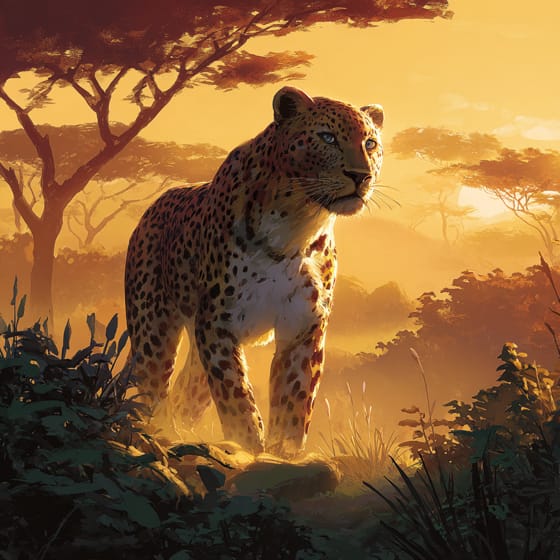
Panthera pardus
Leopards are a common predator of Tahr in their native range.
Canis lupus
Wolves hunt Tahr in some parts of their Himalayan mountain habitat.

Aquila chrysaetos
Golden Eagles may prey on young Tahr kids or smaller individuals.
Juniperus indica
Tahrs browse on the leaves and shoots of resilient juniper trees.
Wildlife encompasses all undomesticated animal and plant life existing in their natural habitats.
Furry describes animals possessing a dense covering of soft hair or fur.
Characterized by having one or more hard, permanent, pointed projections on the head.
This trait characterizes organisms whose diet consists entirely or primarily of plant material.

This habitat trait identifies species found in mountainous regions, characterized by high elevation, steep slopes, and varying climate zones.

This trait signifies organisms belonging to a very old evolutionary group with ancestors dating back millions of years.

Diurnal animals are primarily active during daylight hours, typically resting or sleeping at night.
Danger
2/5 · Low
Admire Tahrs from a safe distance and avoid approaching them in the wild.
90-150 cm
30-100 kg
10-14 years
40 km/h
Tahrs are amazing herbivores, munching on tough grasses, leaves, and shrubs found in high mountains.
Mountain regions
Grazing
1-2
Zoom in to split clusters and explore where this object has been snapped.
Recent snaps will appear here as new observations are added.