





Caribou
Rangifer tarandus
Caribou, also known as reindeer, are majestic animals with large antlers. They roam the cold Arctic regions and are known for their long migrations in search of food.
Habitat: Tundra
The Caribou has a dense, shaggy coat, often grayish-brown to nearly white, with a distinct white mane and rump. Their large, crescent-shaped hooves are a key visual feature, helping them traverse diverse terrains. Antlers, often wide and complex, are typically grown by both males and females.
Category
MammalsRarity
Common
Danger
2/5 · Low
Snaps
2
Caribou calves can run and keep up with the herd within just hours of being born.
Caribou can walk on slippery ice without slipping thanks to their sharp hoof edges.
Their fur has more hairs per square inch than any other deer species on Earth!
They make a unique clicking sound with their knees when they walk, helping the herd stay together.
Caribou have wide, concave hooves that act like snow shovels to dig for food under snow, helping them find lichen.
Caribou can see ultraviolet light, which helps them spot white lichens and predators against the snow.
Caribou possess hollow hairs in their thick coat that trap air, providing excellent insulation against extreme Arctic cold.
Caribou are herbivores that mostly munch on lichens, grasses, and small shrubs to survive.
Canis lupus
Main predator, often targeting calves or weaker individuals.
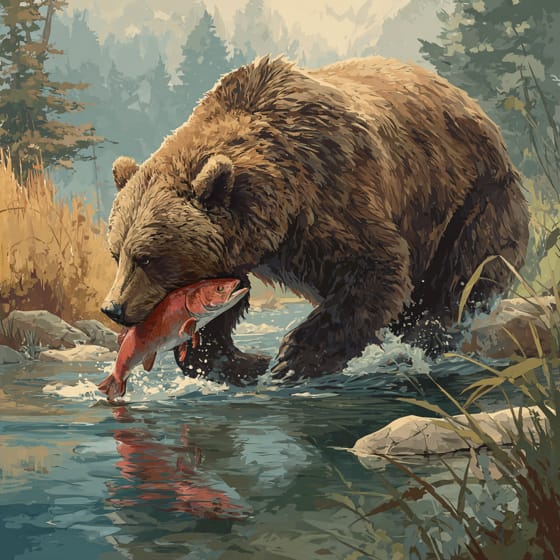
Ursus arctos
Opportunistic predator, especially on calves or during migrations.
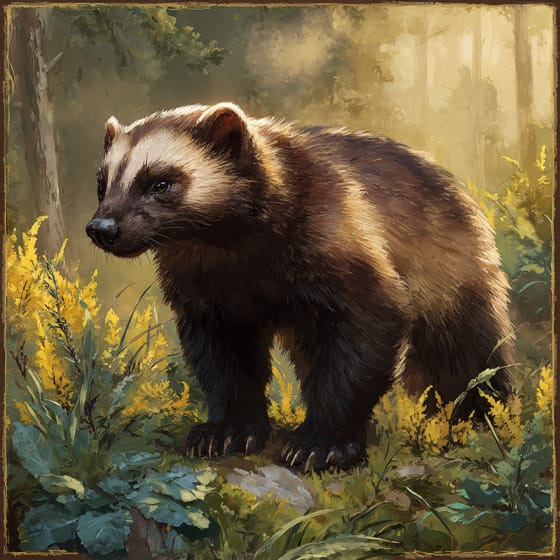
Gulo gulo
Preys on calves and scavenges caribou carcasses in winter.

Cladonia rangiferina
A critical winter food source, dug from under the snow.
Social animals live in organized groups, cooperating for survival benefits such as foraging, defense, and raising offspring.
Antlered describes animals possessing antlers, which are bony, branching growths found predominantly on male deer and related species.
This trait characterizes organisms whose diet consists entirely or primarily of plant material.
Thermoregulating organisms maintain a stable internal body temperature despite fluctuations in the external environment.

This habitat trait refers to species inhabiting tundras, which are treeless biomes characterized by permafrost, cold temperatures, and low-growing vegetation.

This trait signifies organisms belonging to a very old evolutionary group with ancestors dating back millions of years.

This trait characterizes organisms with an exceptionally long lifespan compared to others of their kind.

Migratory animals undertake seasonal movements from one region to another, typically in response to changes in climate or food availability.
Danger
2/5 · Low
Admire caribou from a safe distance and never approach them in the wild.
The easiest way to identify Caribou is to use the Snappit nature identifier app.
120-220 cm
60-300 kg
10-15 years
80 km/h
Caribou are herbivores that mostly munch on lichens, grasses, and small shrubs to survive.
Tundra
Foraging
Zoom in to split clusters and explore where this object has been snapped.
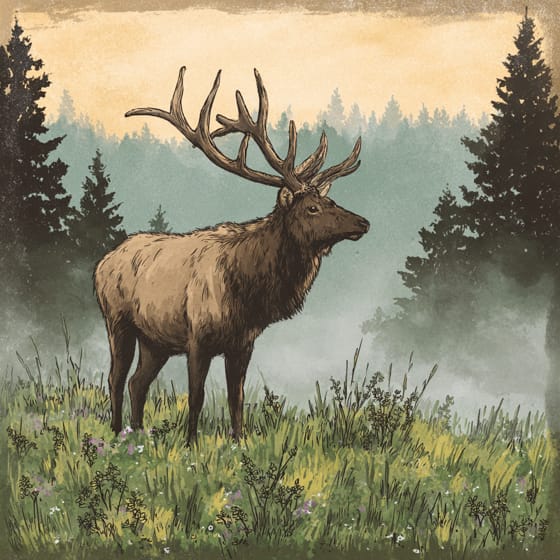
Washington, US
You might spot Elk, American Bison, and Mountain Goat.
View guide →

Alaska, US
You might spot Brown Bear, Black Bear, and Moose.
View guide →

Alaska, US
You might spot Moose, American Red Squirrel, and Lingonberry.
View guide →

Central Denmark Region, DK
You might spot Polar Bear, Brown Bear, and Pea.
View guide →

Washington, US
You might spot Tiger, Ring-Tailed Lemur, and Caribou.
View guide →

Alaska, US
You might spot Wood Frog, Northern Wheatear, and Caribou.
View guide →
Take the discovery with you
Snap it with Snappit to identify it, learn what makes it special, and add the discovery to your collection.





.jpg&width=800)




.JPG&width=800)


.jpg&width=800)
