Greek Tortoise
Testudo graeca
The Greek Tortoise has a lovely shell with unique patterns. They enjoy warm, sunny spots and like to eat leaves and flowers!
Habitat: Mediterranean forests and scrublands
The Greek Tortoise has a high-domed, yellow or tan shell with distinctive dark borders on each scute. It features strong, scaly legs and often a small, horn-like spur on each thigh, distinguishing it from many other tortoises.
Category
ReptilesRarity
Common
Danger
2/5 · Low
Snaps
Be the first to snap!
Some Greek Tortoises can live to be over 100 years old!
Temperature during incubation decides if a baby tortoise will be male or female!
Their shell is fused to their spine, making it part of their skeleton!
They don't have teeth, using a strong, sharp beak to snip food instead!
Greek Tortoise has a strong, dome-shaped shell that helps them retreat entirely inside for protection from predators.
Greek Tortoise can dig shallow burrows to escape scorching heat or extreme cold, maintaining a stable body temperature.
Greek Tortoise can bask in the sun to absorb warmth, which helps them digest food and stay active.
Greek Tortoises are herbivores, munching on a variety of plants, flowers, and fruits.
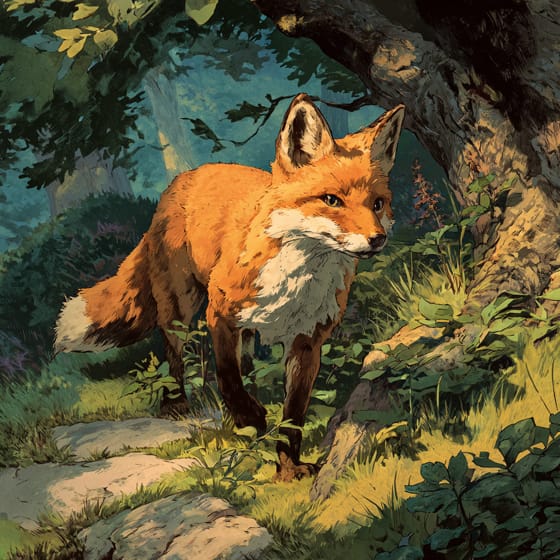
Vulpes vulpes
Preys on tortoise eggs, hatchlings, and even adults.

Aquila chrysaetos
Can prey on juvenile and small adult tortoises.
Taraxacum officinale
A key dietary component for Greek Tortoises.
Wildlife encompasses all undomesticated animal and plant life existing in their natural habitats.
Burrowing animals dig tunnels and chambers in the ground, using these subterranean structures for shelter, hunting, or breeding.
This trait characterizes organisms whose diet consists entirely or primarily of plant material.
This trait characterizes organisms with an exceptionally long lifespan compared to others of their kind.

Armored describes animals protected by a hard, external covering or shell for defense.
Danger
2/5 · Low
Look but don’t touch. Keep a safe distance and wash hands after exploring.
15-30 cm
0.7-2.5 kg
50-100 years
0.5 km/h
Greek Tortoises are herbivores, munching on a variety of plants, flowers, and fruits.
Mediterranean forests and scrublands
Foraging
1-12
Zoom in to split clusters and explore where this object has been snapped.
Recent snaps will appear here as new observations are added.