

Vaquita
Phocoena sinus
The vaquita is a small, shy porpoise that lives in the Gulf of California. It has a unique dark ring around its eyes and is known as the 'panda of the sea' for its distinctive appearance.
Habitat: Coastal areas
The Vaquita is a small porpoise with a stocky body, dark grey on its back fading to a white belly. It has distinct dark rings around its eyes and a dark patch around its lips, giving it a unique masked appearance.
Category
MammalsRarity
Epic
Danger
1/5 · Very low
Snaps
Be the first to snap!
Their name means 'little cow' in Spanish, likely due to their round shape.
These shy animals are found ONLY in one small part of the Gulf of California.
Vaquita babies are born tail-first, a common trait for marine mammals.
Vaquitas are the smallest known cetacean, no bigger than a human teenager!
Vaquita can use echolocation to navigate and find prey in murky waters, acting like an underwater sonar.
Vaquita can dive to significant depths to hunt for bottom-dwelling fish and squid on the seafloor.
Vaquita has a streamlined body that helps them move quietly and efficiently through the water.
Vaquitas are small marine mammals that primarily eat fish and squid from the ocean floor.
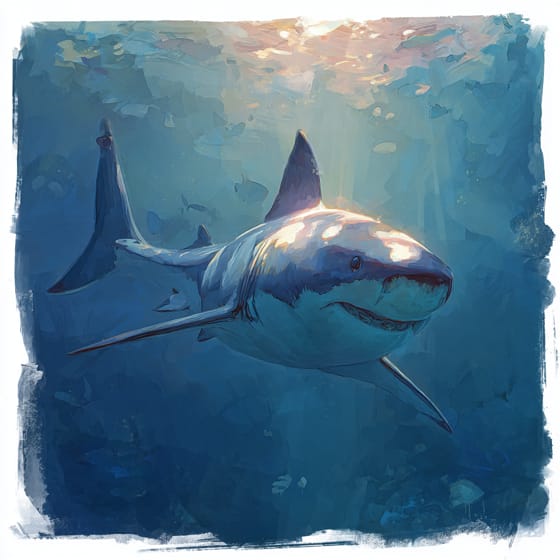
Carcharodon carcharias
Rarely predated upon, but a potential natural predator in the Gulf.
Micropogonias megalops
A key bottom-dwelling fish species that Vaquitas hunt for food.
Penaeus stylirostris
Forages for this common shrimp and other crustaceans on the seabed.
Furry describes animals possessing a dense covering of soft hair or fur.
Social animals live in organized groups, cooperating for survival benefits such as foraging, defense, and raising offspring.
Piscivorous organisms are animals that primarily subsist on a diet of fish.
Echolocation is a biological sonar used by animals to navigate, hunt, and communicate by emitting sound waves and interpreting the echoes.

Coastal habitats are dynamic environments located along the interface between land and sea, influenced by tides, waves, and saltwater.

Describes a species whose presence and role have a disproportionately large effect on its environment.

Nocturnal animals are primarily active during the nighttime hours, typically resting or sleeping during the day.

Endangered status indicates a species is at a very high risk of extinction in the wild in the near future.
No aliases listed yet.
Danger
1/5 · Very low
Vaquitas are very rare and need to be protected. It's important to keep their ocean home clean and free of pollution.
120-150 cm
30-55 kg
20-21 years
22 km/h
Vaquitas are small marine mammals that primarily eat fish and squid from the ocean floor.
Coastal areas
Foraging
1
Zoom in to split clusters and explore where this object has been snapped.
Recent snaps will appear here as new observations are added.