





Skunk
Mephitis mephitis
Skunks are small mammals known for their black and white stripes. They have a special way to protect themselves by spraying a smelly liquid when they feel scared.
Habitat: Forests, Grasslands, Urban areas
The Skunk has a distinctive glossy black coat with a prominent white stripe running from its head down its back, often splitting into two stripes over the rump. Its bushy tail is also black and white, making it easily recognizable and different from most other small mammals.
Category
MammalsRarity
Common
Danger
2/5 · Low
Snaps
39
Skunks are immune to venom from many snakes, like rattlesnakes!
Skunks do a stomping "dance" as a warning before they unleash their stinky spray!
Some skunks are born all white, or even brownish instead of black!
Their super stinky spray can travel farther than a school bus is long!
Skunk can accurately spray a potent, foul-smelling musk because it helps deter predators from a safe distance.
Skunk has excellent night vision and a keen sense of smell that helps them forage for food and navigate in the dark.
Skunk has long, strong front claws that help them dig burrows for shelter and unearth insects or roots.
Skunks are omnivores, enjoying a mixed menu of bugs, berries, small animals, and eggs!
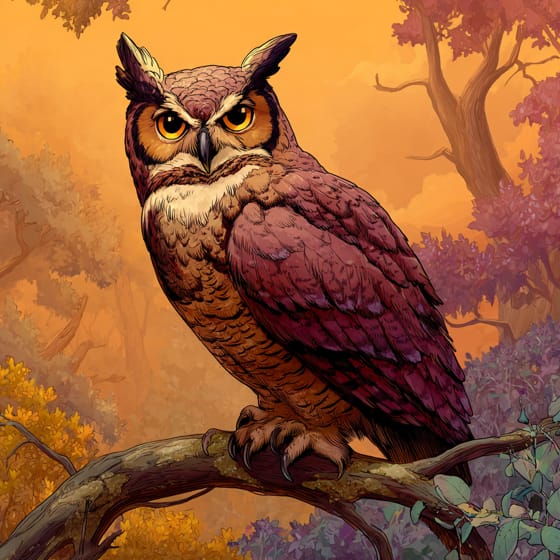
Bubo virginianus
A primary predator, often unfazed by spray.
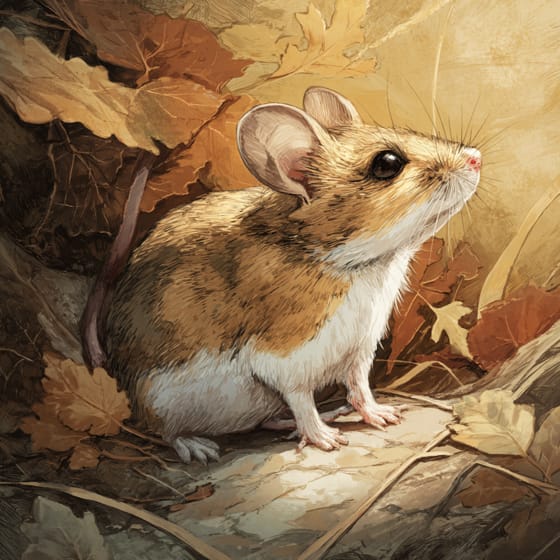
Peromyscus maniculatus
A common small mammal prey item for skunks.

Melolontha melolontha
Skunks dig up and eat the grubs of this beetle.
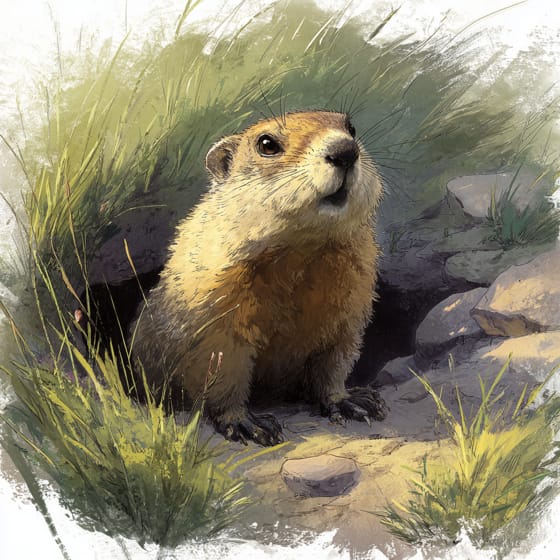
Marmota monax
Skunks often use abandoned groundhog burrows for dens.
Wildlife encompasses all undomesticated animal and plant life existing in their natural habitats.
Furry describes animals possessing a dense covering of soft hair or fur.
Marked with parallel bands or lines of color.
Solitary animals live alone for most of their lives, only interacting with others for mating or parental care.

This trait identifies organisms whose diet includes both plant and animal matter.

Forest habitats are terrestrial environments dominated by dense tree cover, supporting a high diversity of plant and animal life.

This habitat trait indicates species that can coexist with humans in urban and suburban environments, utilizing man-made structures and green spaces.

Nocturnal animals are primarily active during the nighttime hours, typically resting or sleeping during the day.
Danger
2/5 · Low
If you see a skunk, stay calm and move away slowly to avoid scaring it.
The easiest way to identify Skunk is to use the Snappit nature identifier app.
50-75 cm
1.2-6.3 kg
2-4 years
16 km/h
Skunks are omnivores, enjoying a mixed menu of bugs, berries, small animals, and eggs!
Forests, Grasslands, Urban areas
Foraging
Zoom in to split clusters and explore where this object has been snapped.

New Jersey, US
You might spot Garlic Mustard, Sensitive Fern, and Common Mugwort.
View guide →

Ohio, US
You might spot Eastern Fox Squirrel and Spotted Lanternfly.
View guide →

California, US
You might spot Monarch, Canada Goose, and Western Gull.
View guide →

Missouri, US
You might spot Common Eastern Bumble Bee and Brown-Belted Bumble Bee.
View guide →

Michigan, US
You might spot Monarch, Canada Goose, and Eastern Gray Squirrel.
View guide →

Michigan, US
You might spot Monarch, Canada Goose, and Eastern Gray Squirrel.
View guide →
Take the discovery with you
Snap it with Snappit to identify it, learn what makes it special, and add the discovery to your collection.





.jpg&width=800)


.JPG&width=800)



.jpg&width=800)
