

Bromeliad
Wyeomyia
Bromeliad has unique, spiky leaves and colorful flowers that look like they are from a fairy tale! They are fun to grow indoors and outdoors.
Habitat: Tropical rainforests
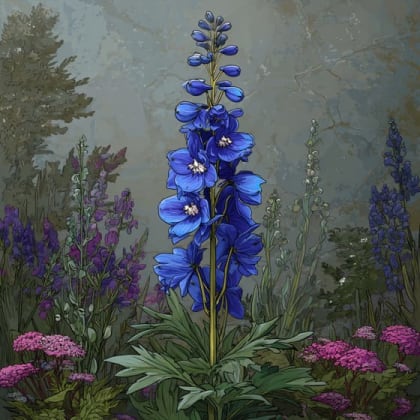
The Bromeliad has stiff, strap-like leaves often arranged in a star-shaped rosette, forming a central cup. Many boast vibrant, colourful bracts – modified leaves – that surround smaller, less showy flowers, making them visually striking. Leaf colours range from green to red, purple, and variegated patterns.
Category
PlantsRarity
Rare
Danger
1/5 · Very low
Snaps
Be the first to snap!
Bromeliads are amazing "air plants" too; some don't need soil at all and grow on trees!
Did you know the delicious pineapple fruit actually grows from a type of bromeliad plant?
Many tiny rainforest animals, like frogs and insects, live their whole lives inside a bromeliad's water-filled cup!
Some bromeliads can take over a decade to bloom just once, but their flower display is spectacular!
Bromeliad can collect and store rainwater in their central leaf cups, creating miniature aquatic habitats for many small creatures.
Bromeliad can absorb water and nutrients directly through specialized cells on their leaves, helping them thrive without deep soil.
Bromeliad has brilliantly coloured bracts that attract specific pollinators like hummingbirds, ensuring successful reproduction.
Wyeomyia smithii
larvae breed in water cups
Dendrobates auratus
uses leaf cups for shelter
Amazilia lactea
feeds on nectar, transfers pollen
Flowering plants are any plants that produce flowers as part of their reproductive cycle.
Evergreen plants retain their foliage throughout the year, never shedding all their leaves at once.
Succulent plants have thickened, fleshy parts, usually leaves or stems, adapted to store water in arid climates.
Colorful describes organisms or objects displaying a wide range of bright and distinct colors.
This habitat trait refers to species found in tropical rainforests, characterized by high annual rainfall, high biodiversity, and dense tree cover.
Danger
1/5 · Very low
Explore with care and ask an adult if you’re unsure what to do.
15-100 cm
10-100 cm
1-5 cm
Variable, often extended
Yes
None
Perennial
Bird
Zoom in to split clusters and explore where this object has been snapped.
Recent snaps will appear here as new observations are added.