

Ixora Bush
Ixora spp.
Ixora Bushes are known for their bright clusters of tiny flowers. They bloom in many colors, including red, yellow, and orange!
Habitat: Tropical regions and gardens
The Ixora Bush has dense, glossy evergreen leaves and striking clusters of small, star-shaped flowers. These vibrant blossoms typically come in shades of red, orange, yellow, or pink, creating a brilliant splash of color in any landscape.
Category
PlantsRarity
Rare
Danger
1/5 · Very low
Snaps
Be the first to snap!
Each flower cluster is actually made up of dozens of tiny, individual, star-shaped flowers!
In some cultures, parts of the plant are used in traditional herbal remedies.
Its vibrant flowers led to the nickname "Flame of the Woods" in some regions!
Ixora is named after an Indian deity, Iswara, honored with its beautiful blossoms.
Ixora Bush has vibrant, nectar-rich flowers that attract hummingbirds and butterflies, helping it spread its seeds.
Its leathery, glossy leaves help the Ixora Bush reduce water loss and withstand sunny, dry conditions.
The Ixora Bush can bloom year-round in warm places, providing a steady food source for pollinators.
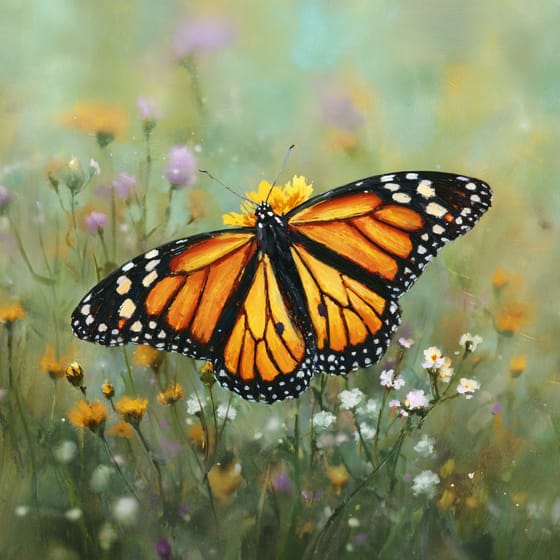
Danaus plexippus
Feeds on nectar, aiding in plant reproduction.
Aphis gossypii
These tiny insects feed on the sap of Ixora leaves and stems.
Coccinella septempunctata
Larvae and adults prey on aphids found on Ixora plants.
Ornamental plants are cultivated primarily for their aesthetic appeal, enhancing landscapes and gardens with their attractive foliage, flowers, or form.
Cluster flowers are inflorescences where individual flowers are arranged closely together on a common stem.
A shrub is a woody plant smaller than a tree, typically with multiple stems branching from or near the ground.
Everblooming plants produce flowers continuously or in repeated flushes over a long period.

Fragrant flowers emit a pleasant aroma, often to attract pollinators or for defense.

Colorful describes organisms or objects displaying a wide range of bright and distinct colors.
Danger
1/5 · Very low
Explore with care and ask an adult if you’re unsure what to do.
100-300 cm
100-250 cm
1-2 cm
Year-round in warm climates
No
None
Perennial
Insect
Zoom in to split clusters and explore where this object has been snapped.
Recent snaps will appear here as new observations are added.