




Scarletina Bolete
Boletus
The Scarletina Bolete has a bright red and yellow color! It grows in forests and is fun to spot.
Habitat: Forests
The Scarletina Bolete has a velvety, brownish-gray to olive cap and vibrant red-orange pores on its underside. Its stout stem is yellow, covered with striking red dots or netting. A distinguishing feature is its flesh, which rapidly stains dark blue when cut or bruised.
Category
FungiRarity
Rare
Danger
1/5 · Very low
Snaps
Be the first to snap!
Instead of gills, this mushroom has tiny tubes under its cap, making it feel like a sponge!
Its dramatic blue bruising is a rapid chemical reaction, like a magic trick!
Some boletes are nicknamed 'devil's boletes' because of their fiery red colors.
This mushroom is perfectly safe to eat, but ONLY after it's been thoroughly cooked!
Scarletina Bolete can instantly turn dark blue when touched or cut, a chemical reaction that might deter hungry creatures.
Scarletina Bolete has a special underground connection with tree roots, sharing nutrients that helps both grow stronger.
Scarletina Bolete can release millions of microscopic spores into the air, helping it spread and create new mushroom patches.
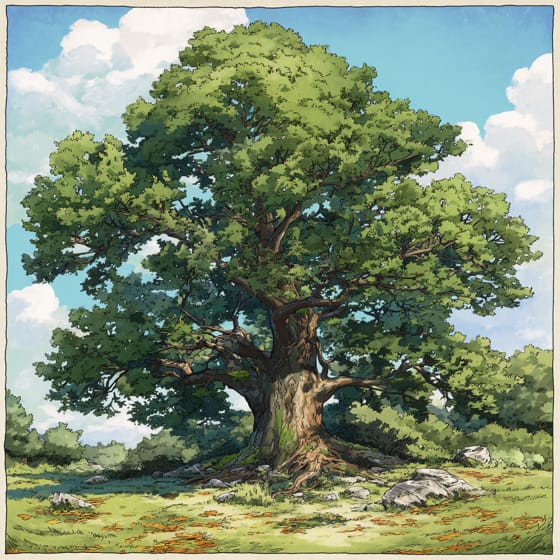
Quercus robur
Forms a mycorrhizal partnership.
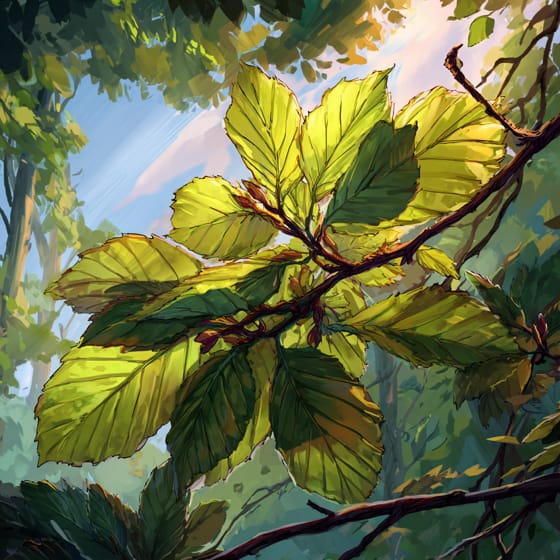
Fagus sylvatica
Exchanges nutrients with its roots.
Helix aspersa
Snails and slugs sometimes munch on its cap.
Spore-producing organisms reproduce by releasing small, often single-celled, reproductive units called spores.
Edible plants are those parts of a plant that are considered safe for human consumption.
Forest habitats are terrestrial environments dominated by dense tree cover, supporting a high diversity of plant and animal life.
Danger
1/5 · Very low
Do not pick or eat anything you find. Some plants and mushrooms can be harmful.
5-15 cm
edible
5-15 cm
Forests
soil
Summer to Fall
Olive-brown
Zoom in to split clusters and explore where this object has been snapped.
Recent snaps will appear here as new observations are added.