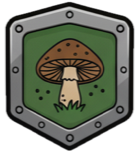



Parasol Mushroom
Macrolepiota
The Parasol Mushroom looks like an umbrella! It grows in grassy areas and can be quite tall.
Habitat: Grassy fields
The Parasol Mushroom has a large, umbrella-shaped cap, often with brown scales on a lighter background, and a tall, slender stem. It stands out with a distinctive, free-moving ring on its stalk and pale gills underneath its impressive cap.
Category
FungiRarity
Rare
Danger
1/5 · Very low
Snaps
Be the first to snap!
It can grow super tall, sometimes over a foot, towering over other fungi!
Its cap can grow larger than a dinner plate, making it very noticeable!
The stem has a cool 'snake-skin' pattern, unique among many mushrooms.
Young Parasol Mushrooms look exactly like little drumsticks before they open up!
The Parasol Mushroom can release billions of microscopic spores from its gills to travel on the wind, creating new fungi.
The Parasol Mushroom has special enzymes to break down dead plants, returning vital nutrients to the soil.
The mushroom's scaly cap helps protect its delicate gills from drying out or damage from the elements.
Arion ater
feeding on its cap and stem
Helix aspersa
munching on its tender parts
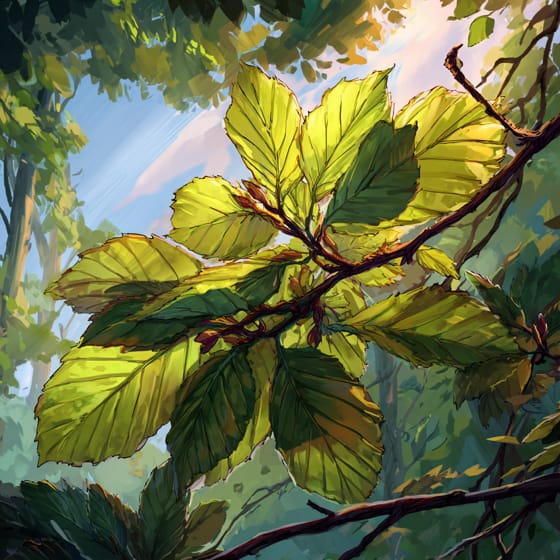
Fagus sylvatica
breaking down its fallen leaves
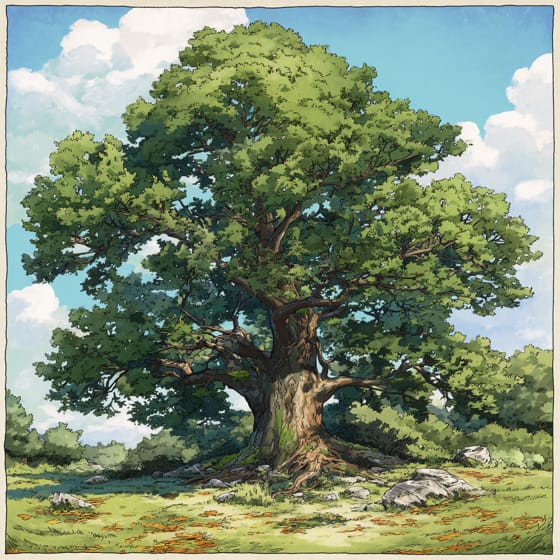
Quercus robur
decomposing its dead wood and leaves
Deciduous plants periodically shed all their leaves, typically during autumn or dry seasons.
Spore-producing organisms reproduce by releasing small, often single-celled, reproductive units called spores.
Edible plants are those parts of a plant that are considered safe for human consumption.
Grassland habitats are terrestrial biomes dominated by grasses and herbaceous plants, supporting a variety of grazing animals.
Danger
1/5 · Very low
Do not pick or eat anything you find. Some plants and mushrooms can be harmful.
15-40 cm
edible
10-30 cm
Grassy fields
soil
Late summer to fall
White
Zoom in to split clusters and explore where this object has been snapped.
Recent snaps will appear here as new observations are added.