Kemp's Ridley Sea Turtle
Lepidochelys kempii
Kemp's Ridley Sea Turtle is one of the smallest sea turtles. They are known for their unique nesting behavior and love to swim in warm waters.
Habitat: Coastal waters and beaches
The Kemp's Ridley Sea Turtle is the smallest sea turtle, featuring a distinctive rounded or heart-shaped, olive-gray to greenish-gray shell. Its underside, or plastron, is a pale yellow-white, setting it apart from darker-bellied relatives.
Category
ReptilesRarity
Rare
Danger
2/5 · Low
Snaps
Be the first to snap!
Female turtles often return to their own birth beach to lay eggs!
It's the only sea turtle species that consistently nests during the daytime!
Named after Richard M. Kemp, who first discovered and studied the species!
Their tiny hatchlings are only about the size of a quarter!
Kemp's Ridley Sea Turtle can nest in huge groups called 'arribadas' that helps them overwhelm predators.
Kemp's Ridley Sea Turtle has powerful jaws and a strong bite that helps them crush the shells of crabs and clams.
Kemp's Ridley Sea Turtle can navigate shallow, often murky coastal waters to find food and nesting sites.
These turtles love to crunch on crabs and other tasty crustaceans found in shallow waters!
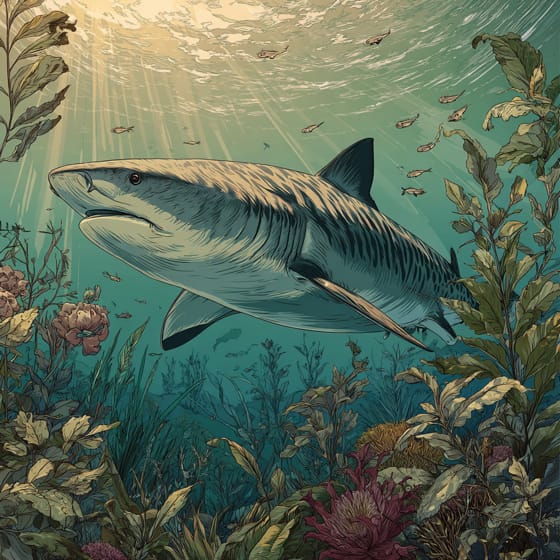
Galeocerdo cuvier
Large sharks are significant predators of adult turtles.
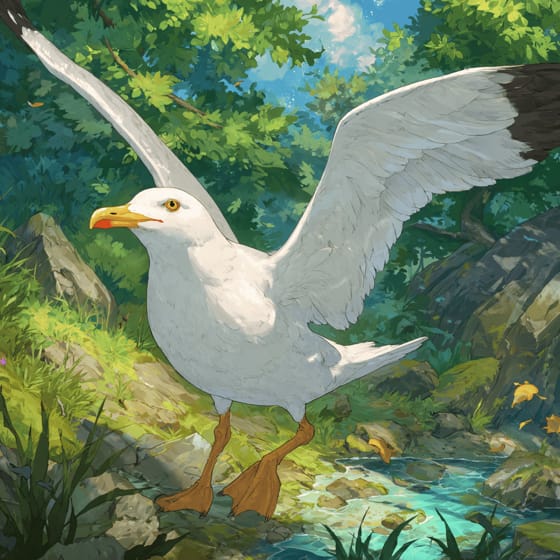
Larus argentatus
Gulls frequently prey on vulnerable hatchlings running to the sea.
Sargassum natans
Young turtles hide in sargassum beds for protection and food.
Wildlife encompasses all undomesticated animal and plant life existing in their natural habitats.
Piscivorous organisms are animals that primarily subsist on a diet of fish.
Coastal habitats are dynamic environments located along the interface between land and sea, influenced by tides, waves, and saltwater.
Armored describes animals protected by a hard, external covering or shell for defense.

Marine habitats encompass all saltwater environments of the Earth's oceans, supporting an immense diversity of aquatic life.

Migratory animals undertake seasonal movements from one region to another, typically in response to changes in climate or food availability.

Endangered status indicates a species is at a very high risk of extinction in the wild in the near future.
Danger
2/5 · Low
Look but don’t touch. Keep a safe distance and wash hands after exploring.
50-70 cm
30-50 kg
30-50 years
24 km/h
These turtles love to crunch on crabs and other tasty crustaceans found in shallow waters!
3 km/h
Coastal waters and beaches
Foraging
Zoom in to split clusters and explore where this object has been snapped.
Recent snaps will appear here as new observations are added.