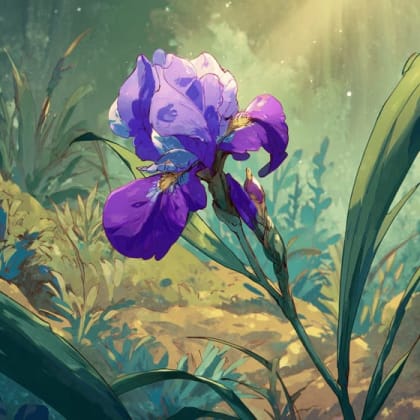
Skimmia
Skimmia
Skimmia is a pretty plant with shiny leaves and fragrant flowers. It loves shade and is great for gardens!
Habitat: Wooded areas
The Skimmia is a compact, evergreen shrub featuring glossy, dark green leaves that remain vibrant all year. It produces clusters of tiny, fragrant white or pinkish-white flowers in spring, followed by bright red, persistent berries that often last through winter. Its dense habit makes it stand out in shaded areas.
Category
PlantsRarity
Rare
Danger
1/5 · Very low
Snaps
Be the first to snap!
Crushing a Skimmia leaf can release a spicy, citrusy smell!
Its tough leaves help it survive chilly winter winds without wilting.
Male Skimmia plants often have more flowers than female plants, making them extra showy.
Some Skimmia berries come in surprising white or even pink colours!
Skimmia can keep its bright red berries all through winter, providing vibrant colour when other plants are dormant.
Skimmia has a special ability to thrive in deep shade, where many other plants struggle to grow and flourish.
Skimmia's small flowers release a sweet scent, attracting bees and other insects to help with pollination.
Some Skimmia plants need a 'partner' plant (a male Skimmia) nearby to produce their iconic red berries.
Apis mellifera
Visits Skimmia flowers for nectar and pollen.
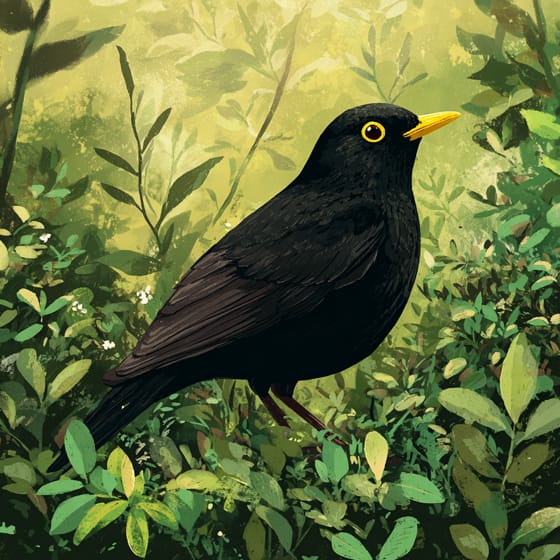
Turdus merula
Consumes its bright berries, aiding seed dispersal.
Rhizophagus intraradices
Helps roots absorb water and nutrients from soil.
Shade tolerant plants are adapted to grow and thrive in areas with low light levels, requiring less direct sunlight.
A shrub is a woody plant smaller than a tree, typically with multiple stems branching from or near the ground.
Evergreen plants retain their foliage throughout the year, never shedding all their leaves at once.
Fragrant flowers emit a pleasant aroma, often to attract pollinators or for defense.

Fruit-bearing plants produce fruits, which are the mature ovaries of flowering plants containing seeds.

Forest habitats are terrestrial environments dominated by dense tree cover, supporting a high diversity of plant and animal life.
Danger
1/5 · Very low
Explore with care and ask an adult if you’re unsure what to do.
50-150 cm
60-180 cm
0.5-1 cm
Late winter to spring
No
Mild
Perennial
Insect
Zoom in to split clusters and explore where this object has been snapped.
Recent snaps will appear here as new observations are added.