

Duiker
Cephalophinae
Duikers are small antelopes found in forests and dense bushlands. They have short horns and are excellent at hiding from predators.
Habitat: Forests
The Duiker is a small to medium-sized antelope with a distinctive hunched back and short, often spiky, horns. Their coats vary widely, from reddish-brown to grey, sometimes with stripes or a yellow-backed saddle. They have large eyes and pointed ears.
Category
MammalsRarity
Common
Danger
2/5 · Low
Snaps
Be the first to snap!
Duikers often follow monkeys to snatch delicious fruit they accidentally drop from trees.
Some duiker species are known to eat insects, eggs, or even small birds!
The tiny Blue Duiker is one of the smallest antelopes in the entire world!
Their short horns are sometimes completely hidden by a furry crest of hair on their head!
Duiker can quickly 'dive' into dense vegetation because of their compact body, helping them escape predators.
Duiker has large, pointed ears that help them detect the faintest sounds of predators approaching through thick cover.
Duiker has a varied coat color that helps them blend perfectly into their forest or savanna environment.
Duikers eat many plants, fruits, seeds, and sometimes even small animals like insects.
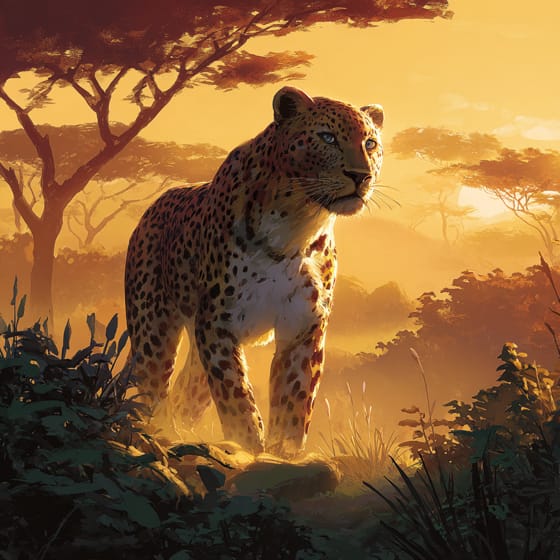
Panthera pardus
A primary predator of most duiker species.
Stephanoaetus coronatus
Hunts smaller duiker species from the air.
Ficus sur
Duikers enjoy eating the fallen fruits of fig trees.
Papio anubis
Duikers forage for fruit dropped by baboons.
Furry describes animals possessing a dense covering of soft hair or fur.
Solitary animals live alone for most of their lives, only interacting with others for mating or parental care.
Characterized by having one or more hard, permanent, pointed projections on the head.
Camouflaged describes organisms that possess coloring or patterns that allow them to blend into their environment.

This trait characterizes organisms whose diet consists entirely or primarily of plant material.

This trait signifies organisms belonging to a very old evolutionary group with ancestors dating back millions of years.

Forest habitats are terrestrial environments dominated by dense tree cover, supporting a high diversity of plant and animal life.

Nocturnal animals are primarily active during the nighttime hours, typically resting or sleeping during the day.
Danger
2/5 · Low
Duikers are timid and will run away from humans. Watch them from a distance to not scare them.
35-75 cm
4-60 kg
8-15 years
60 km/h
Duikers eat many plants, fruits, seeds, and sometimes even small animals like insects.
Forests
Foraging
1
Zoom in to split clusters and explore where this object has been snapped.
Recent snaps will appear here as new observations are added.