






Cave Snail
Holsingeria unthanksensis
Cave snails are small creatures that live in dark, damp places like caves. They have shells to protect their soft bodies and move very slowly.
Habitat: Caves
The Cave Snail (Holsingeria unthanksensis) has a small, often translucent or whitish conical shell, which helps it blend into its cave environment. It lacks visible eyes, relying on other senses to navigate. Its soft body is usually pale, adapting to life without light.
Category
InvertebrateRarity
Rare
Danger
1/5 · Very low
Snaps
Be the first to snap!
Cave snails sometimes lay very few, large eggs, instead of many small ones.
Some cave snails can live for many years in the constant darkness of their underground homes!
Their shells can be incredibly thin and delicate, almost like glass!
These snails often have no eyes at all, using amazing touch and smell to explore.
Cave Snail can find its way perfectly without eyes because of specialized tentacles that sense touch and smell.
Cave Snail has a slimy trail that helps it glide over rough surfaces and provides a protective barrier.
Cave Snail can survive long periods with little food because of a very slow metabolism that conserves energy.
This snail is a detritivore, meaning it eats decaying plant and animal matter found in its cave home.
Gyrinophilus subterraneus
A cave predator that hunts small invertebrates like snails.
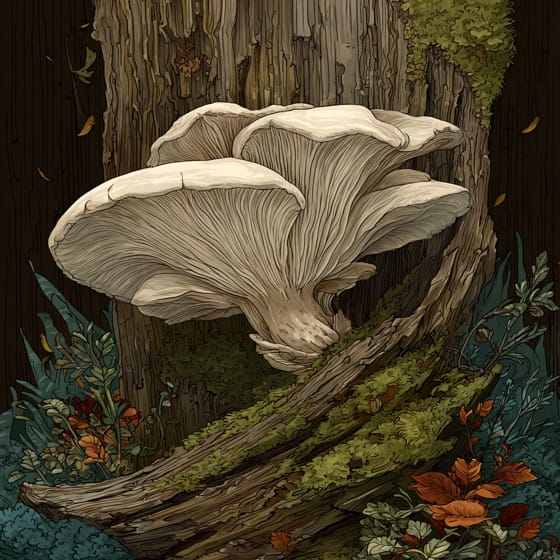
Pleurotus ostreatus
Feeds on decaying wood and other organic matter that enters the cave.
Bacillus cereus
Consumes microbial biofilms and bacteria growing on cave surfaces.
Wildlife encompasses all undomesticated animal and plant life existing in their natural habitats.
Cave dwelling describes organisms specifically adapted to live in underground cave systems, often exhibiting specialized traits due to lack of light.
This trait characterizes organisms whose diet consists entirely or primarily of plant material.
This trait signifies organisms belonging to a very old evolutionary group with ancestors dating back millions of years.

Describes organisms that break down dead organic material, recycling nutrients back into the ecosystem.

Nocturnal animals are primarily active during the nighttime hours, typically resting or sleeping during the day.
No aliases listed yet.
Danger
1/5 · Very low
If exploring caves, always stay with an adult and never touch or disturb the animals you find.
0.5 cm
0.01 g
5 years
This snail is a detritivore, meaning it eats decaying plant and animal matter found in its cave home.
Caves
Foraging
Zoom in to split clusters and explore where this object has been snapped.
Recent snaps will appear here as new observations are added.















