Earthworm
Lumbricus terrestris
Earthworms are wiggly creatures that live in the soil. They help plants grow by making the soil healthy. Earthworms don't have eyes or lungs but are great at recycling leaves and other plant matter.
Habitat: Soil
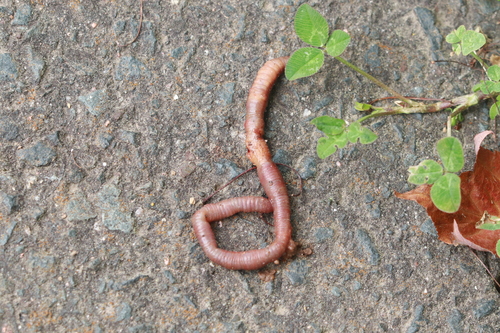
The Earthworm is a segmented, tube-shaped invertebrate with no eyes or limbs. Its body is typically pinkish-brown or reddish-brown, often appearing iridescent. A distinctive thickened band, called the clitellum, is visible near the head end, marking it visually different from other worm-like creatures.
Category
InvertebrateRarity
Common
Danger
1/5 · Very low
Snaps
3
Earthworms don't have lungs; they breathe through their moist skin!
Some giant earthworms can grow over 3 meters long! Wow!
These amazing creatures have five pairs of "hearts" to pump blood!
They can pull fallen leaves underground for a midnight snack!
Earthworm can tunnel through soil, creating channels that help air and water reach plant roots, improving soil health.
Earthworm has a powerful digestive system that breaks down dead organic matter, enriching the soil with vital nutrients.
Earthworm can regrow lost body segments because of its simple body plan, helping them survive injuries.
Earthworm has both male and female reproductive organs, allowing any two earthworms to mate and produce offspring.
Earthworms are tiny detritivores, munching on dead plants and soil to create healthy ground.
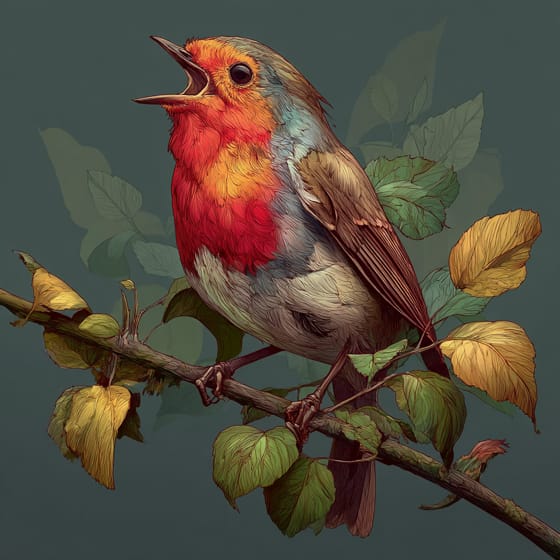
Turdus migratorius
Robins pull earthworms from the soil for food.
Sturnus vulgaris
Starlings frequently probe lawns, hunting for hidden earthworms.
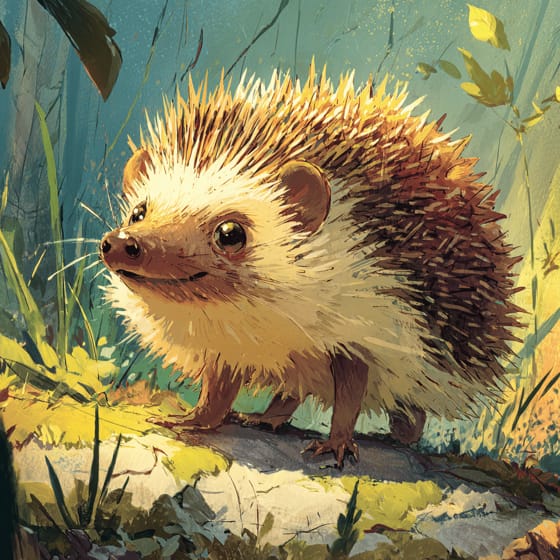
Erinaceus europaeus
Hedgehogs use their keen sense of smell to find earthworms at night.
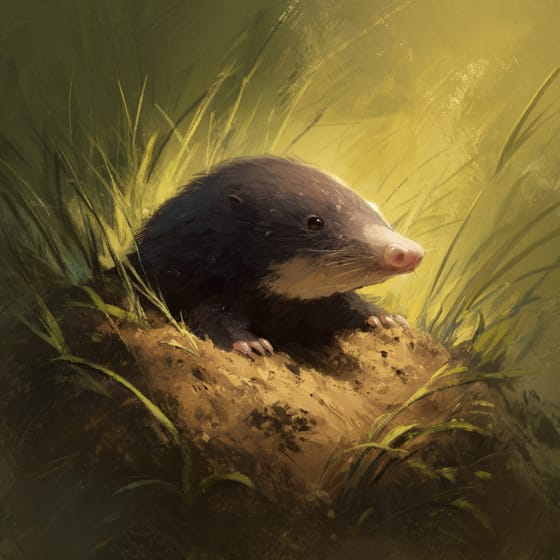
Talpa europaea
Moles tunnel underground, actively hunting and eating earthworms.
Wildlife encompasses all undomesticated animal and plant life existing in their natural habitats.
Burrowing animals dig tunnels and chambers in the ground, using these subterranean structures for shelter, hunting, or breeding.
This trait characterizes organisms whose diet consists entirely or primarily of plant material.
Describes organisms that break down dead organic material, recycling nutrients back into the ecosystem.

This trait characterizes organisms with an exceptionally long lifespan compared to others of their kind.

Regenerative organisms possess the ability to regrow lost or damaged body parts, tissues, or organs.
Danger
1/5 · Very low
Be gentle with earthworms if you find them. They are delicate creatures.
The easiest way to identify Earthworm is to use the Snappit nature identifier app.
100-300 mm
1095-2555 days
Earthworms are tiny detritivores, munching on dead plants and soil to create healthy ground.
Soil
Foraging
0
Zoom in to split clusters and explore where this object has been snapped.
Jun 7, 2026
East Windsor Hill Historic DistrictPhoto attribution
(c) Mark Apgar, some rights reserved (CC BY)
License: CC BY 4.0 ↗
Image may be shown cropped inside the card frame.

Connecticut, US
You might spot Eastern Gray Squirrel, Dark-Eyed Junco, and House Sparrow.
View guide →

New York, US
You might spot Common Eastern Bumble Bee and Spotted Lanternfly.
View guide →

New York, US
You might spot Eastern Gray Squirrel, American Robin, and Groundhog.
View guide →
Take the discovery with you
Snap it with Snappit to identify it, learn what makes it special, and add the discovery to your collection.