




Brontosaurus
Brontosaurus excelsus
Brontosaurus was a prehistoric dinosaur known for its distinctive features. Scientists study its bones to learn about how dinosaurs lived.
Habitat: Mesozoic forests and floodplains
The Brontosaurus is a colossal dinosaur with a long, elegant neck and a massive, barrel-shaped body supported by four thick, pillar-like legs. It has a long, whip-like tail that tapers to a point. Its skin was likely brownish-grey or greenish, possibly with fine scales.
Category
AncientRarity
Common
Danger
1/5 · Very low
Snaps
Be the first to snap!
Despite its massive size, Brontosaurus had a brain no bigger than a grapefruit!
For many years, Brontosaurus was mistakenly called Apatosaurus, before it was proven its own genus.
Its name means "thunder lizard" because scientists imagined its immense footsteps shaking the ground!
Scientists believe it might have lived in herds, moving together to find new plant snacks.
Brontosaurus can reach high leaves because of its incredibly long neck that helps it browse tall plants.
Brontosaurus has enormous bulk that helps deter most predators and makes it a formidable presence.
Brontosaurus can swing its powerful, whip-like tail that helps it fend off attackers.
A giant plant-eater, it slowly browsed on ancient ferns, cycads, and conifers.
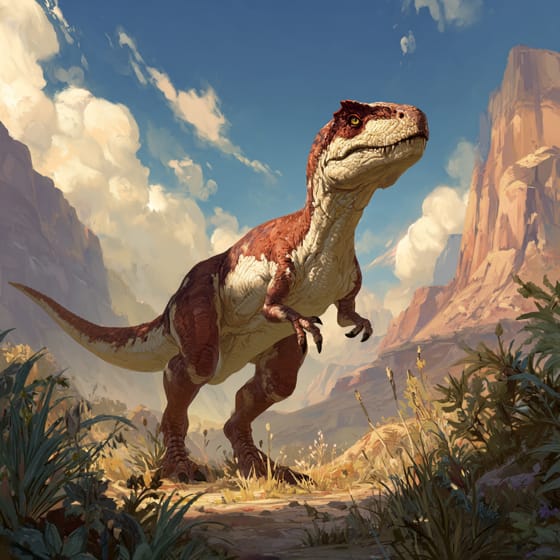
Allosaurus fragilis
Hunted sick or young Brontosaurus in the same ecosystem.
Ceratosaurus nasicornis
A smaller predator targeting vulnerable or juvenile individuals.
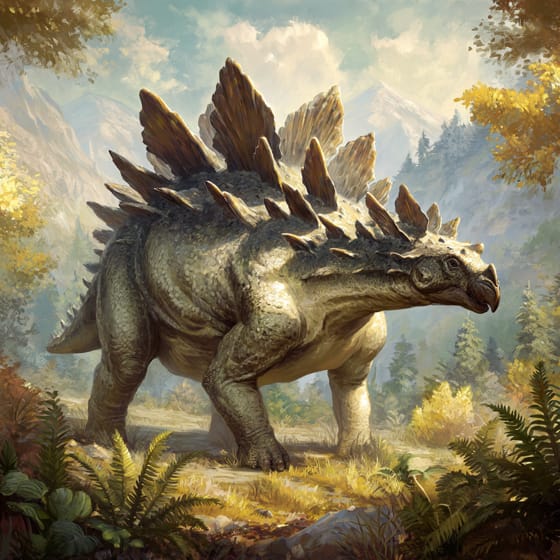
Stegosaurus armatus
Shared the same ancient forests and competed for plant resources.
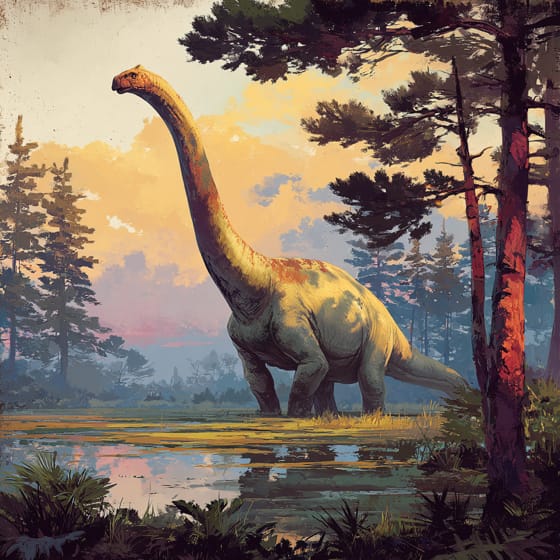
Diplodocus longus
Coexisted in similar habitats, likely competing for food.
Ancient refers to organisms, objects, or geological formations that have existed for an extremely long period.
An artifact is an object made or modified by human culture, typically of historical or archaeological interest.
A fossil is the preserved remains or traces of an ancient organism embedded in rock or other geological deposits.
Danger
1/5 · Very low
While extremely dangerous in their time, this creature is now extinct.
22-23 m
15000-17000 kg
A giant plant-eater, it slowly browsed on ancient ferns, cycads, and conifers.
Mesozoic forests and floodplains
Grazing
Mesozoic (Jurassic Period)
145
Zoom in to split clusters and explore where this object has been snapped.
Recent snaps will appear here as new observations are added.