Ptarmigan
Lagopus muta
The Ptarmigan is a bird that changes its feather colors with the seasons. In winter, it's white to blend with snow, and in summer, it's brown to match the rocks and plants.
Habitat: Mountain regions
The Ptarmigan has a small, stocky body with a short neck and tail, and entirely feathered feet. Its plumage dramatically changes with the seasons, appearing mottled brown and grey in summer, but turning completely white in winter, except for its black tail feathers and eye stripe.
Category
BirdsRarity
Common
Danger
1/5 · Very low
Snaps
Be the first to snap!
Ptarmigan chicks can walk and follow their mother just hours after hatching!
Ptarmigans swallow grit, small stones, to help grind tough plant material in their gizzards.
Their call sounds like a sharp, clattering croak or a series of cackles!
These birds change their plumage three times a year, more than any other bird!
Ptarmigan has feathers that change color with the seasons, helping them blend perfectly into snowy or rocky environments.
Ptarmigan has densely feathered feet, which act like natural snowshoes to walk on deep snow without sinking.
Ptarmigan has nostrils covered in feathers, keeping them warm and preventing frostbite in frigid air.
Ptarmigan can burrow into snowdrifts, creating insulated shelters to stay warm during blizzards.
Ptarmigans are plant-eaters, feasting mainly on tough plants found in cold, high-altitude places.

Aquila chrysaetos
Large birds of prey hunt Ptarmigan.
Falco rusticolus
Fast raptors frequently prey on Ptarmigan.
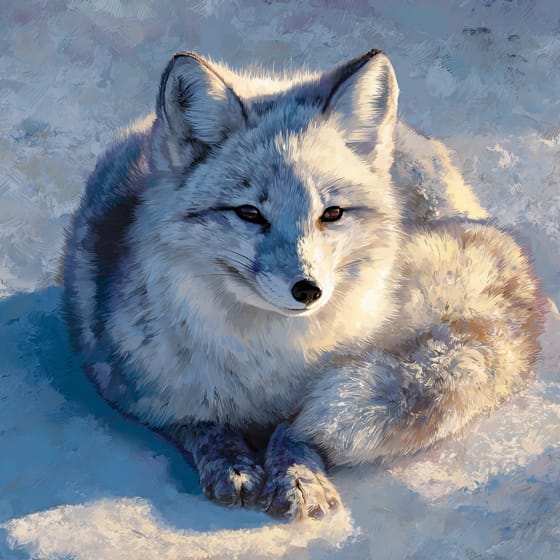
Vulpes lagopus
Mammalian predators catch Ptarmigan on the ground.
Salix arctica
Ptarmigan feeds heavily on buds and twigs of this plant.
Wildlife encompasses all undomesticated animal and plant life existing in their natural habitats.
Feathered describes animals, primarily birds, possessing a covering of feathers.
Camouflaged describes organisms that possess coloring or patterns that allow them to blend into their environment.
This trait characterizes organisms whose diet consists entirely or primarily of plant material.

Thermoregulating organisms maintain a stable internal body temperature despite fluctuations in the external environment.

This habitat trait identifies species found in mountainous regions, characterized by high elevation, steep slopes, and varying climate zones.

This habitat trait refers to species inhabiting tundras, which are treeless biomes characterized by permafrost, cold temperatures, and low-growing vegetation.

Migratory animals undertake seasonal movements from one region to another, typically in response to changes in climate or food availability.
Danger
1/5 · Very low
Observe from a distance and do not disturb these birds in their natural habitat.
35-43 cm
54-60 cm
0.4-0.6 kg
3-6 years
85 km/h
Ptarmigans are plant-eaters, feasting mainly on tough plants found in cold, high-altitude places.
Mountain regions
Foraging
Zoom in to split clusters and explore where this object has been snapped.
Recent snaps will appear here as new observations are added.