





Green Heron
Butorides virescens
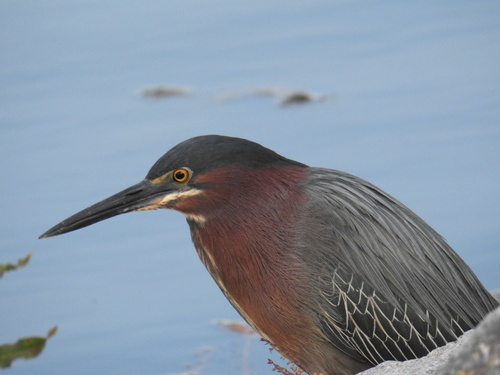
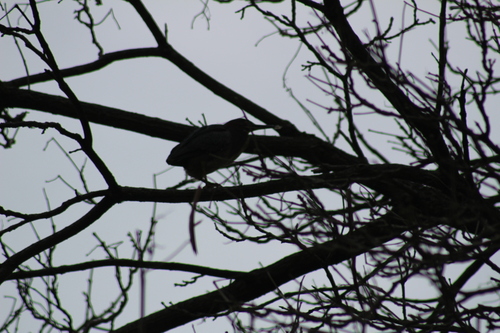
The Green Heron is a small bird with a greenish-black cap and back. It loves to hunt for fish and insects near the water's edge, using its sharp bill to catch its prey.
Habitat: Wetlands
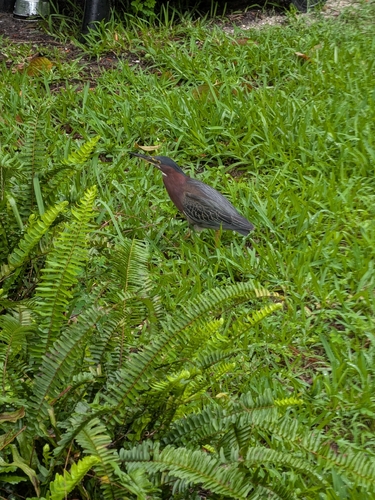
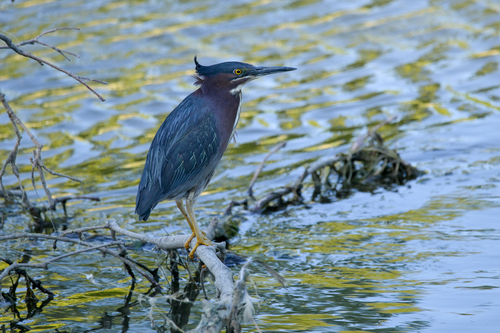
The Green Heron has a dark, glossy greenish-black cap and back, contrasting with a rich chestnut neck and chest. Its short legs are a striking yellow-orange, and it boasts a long, sharp bill. This small heron often appears hunched, giving it a compact shape.
Category
BirdsRarity
Common
Danger
1/5 · Very low
Snaps
164
Green Herons have bright orange legs that turn even brighter during mating season!
They sometimes drink directly from leaves that collect rainwater, like tiny bird bathtubs!
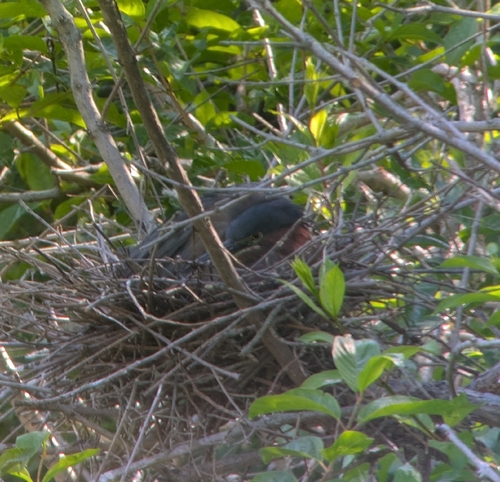
Unlike many herons, they often nest alone in small trees or bushes, not large colony trees.
When startled, a Green Heron will raise its crest, making its head look much bigger!
Green Herons can drop insects or twigs onto the water to lure fish closer, which helps them catch a meal.
Green Herons have a super flexible neck that shoots out lightning-fast to strike unsuspecting prey, helping them hunt.
The Green Heron has dull green and brown feathers that help them blend perfectly into marshy plants, making them nearly invisible.
They are clever hunters who mainly eat small fish and aquatic insects.
Gambusia affinis
A favorite prey fish in shallow waters.
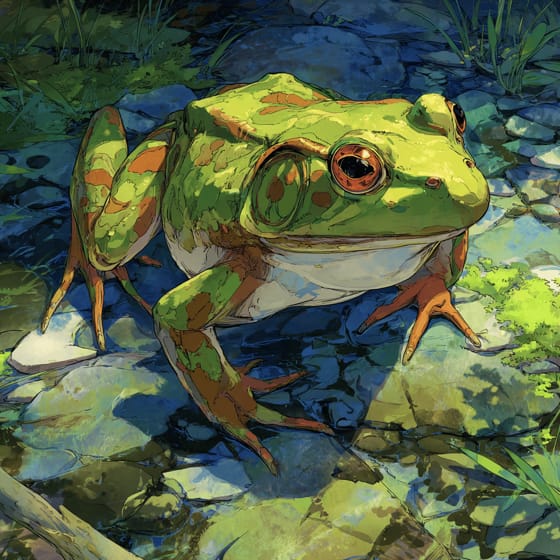
Lithobates catesbeianus
Eats tadpoles and young frogs.
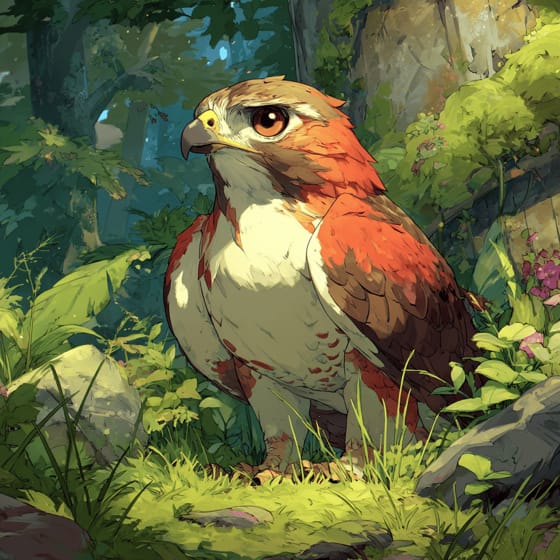
Buteo jamaicensis
A large raptor that may prey on adults.
Wildlife encompasses all undomesticated animal and plant life existing in their natural habitats.
Feathered describes animals, primarily birds, possessing a covering of feathers.
Solitary animals live alone for most of their lives, only interacting with others for mating or parental care.
Camouflaged describes organisms that possess coloring or patterns that allow them to blend into their environment.

Piscivorous organisms are animals that primarily subsist on a diet of fish.
This trait describes organisms that manipulate external objects to achieve a specific goal.

An ambush predator hunts by patiently waiting and concealing itself, then launching a sudden attack when unsuspecting prey comes within range.

This habitat trait identifies species found in wetlands, which are areas of land saturated with water, either permanently or seasonally, including marshes, swamps, and bogs.
Danger
1/5 · Very low
Observe quietly from a distance to avoid disturbing these shy birds.
The easiest way to identify Green Heron is to use the Snappit nature identifier app.
40-48 cm
64-68 cm
0.15-0.28 kg
5-8 years
45 km/h
They are clever hunters who mainly eat small fish and aquatic insects.
Wetlands
Zoom in to split clusters and explore where this object has been snapped.
Jun 4, 2026
Collins Waterfront Architectural DistrictPhoto attribution
no rights reserved
License: CC0 1.0 ↗
Image may be shown cropped inside the card frame.
Jun 2, 2026
West Argyle Street Historic DistrictPhoto attribution
(c) Becca, some rights reserved (CC BY)
License: CC BY 4.0 ↗
Image may be shown cropped inside the card frame.
Jun 2, 2026
Magee Marsh Wildlife AreaPhoto attribution
no rights reserved
License: CC0 1.0 ↗
Image may be shown cropped inside the card frame.
May 30, 2026
Chesapeake ArboretumPhoto attribution
(c) Laura Mae, some rights reserved (CC BY)
License: CC BY 4.0 ↗
Image may be shown cropped inside the card frame.
May 9, 2026
Hudson Falls Historic DistrictPhoto attribution
(c) Lythronax246, some rights reserved (CC BY)
License: CC BY 4.0 ↗
Image may be shown cropped inside the card frame.

California, US
You might spot Acorn Woodpecker and Western Fence Lizard.
View guide →

Rhode Island, US
You might spot Common Eastern Bumble Bee and Osprey.
View guide →
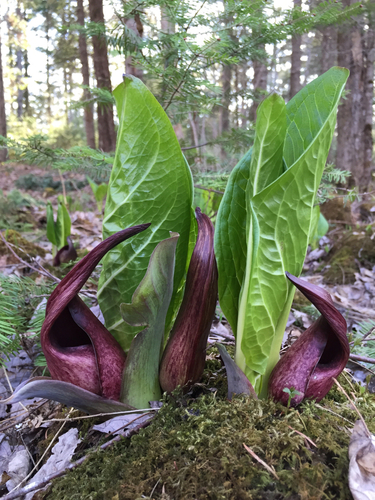
Connecticut, US
You might spot Eastern Skunk Cabbage and Eastern White Pine.
View guide →

Virginia, US
You might spot Pharaoh Cicada, Lesser Celandine, and Eastern Box Turtle.
View guide →

New York, US
You might spot American Robin, Pond Slider, and Northern Cardinal.
View guide →

Connecticut, US
You might spot American Robin, Eastern Poison Ivy, and Duck.
View guide →
Take the discovery with you
Snap it with Snappit to identify it, learn what makes it special, and add the discovery to your collection.




.jpg&width=800)









