



Glowing Panellus
Panellus stipticus
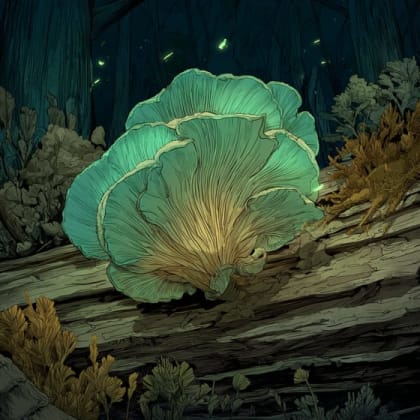
The Glowing Panellus is a small mushroom that shines brightly in the dark! It grows on dead trees and adds a touch of magic to the woods.
Habitat: Decaying trees in forests
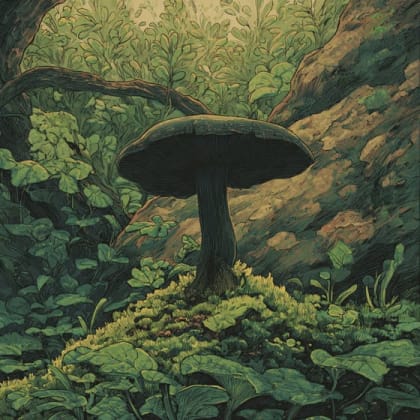
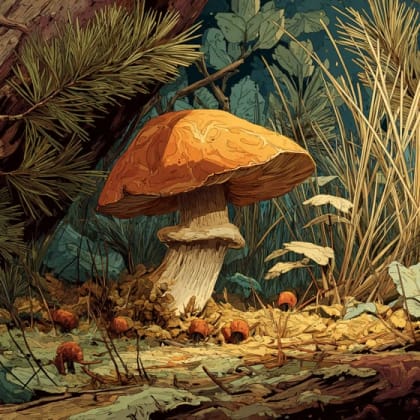
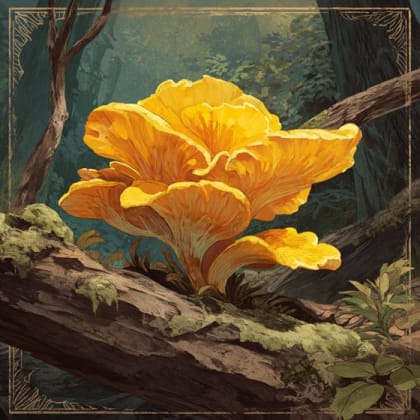
The Glowing Panellus is a small, fan-shaped mushroom, pale tan to yellowish-brown on top, with white to cream gills underneath. It often grows in overlapping clusters on dead wood and is visually distinct for its unique, otherworldly glow at night.
Category
FungiRarity
Epic
Danger
1/5 · Very low
Snaps
4
If you accidentally chew it, this mushroom tastes incredibly bitter, so don't try it!
Its eerie green glow is called bioluminescence, just like fireflies in the dark!
Scientists study this mushroom's glow to understand how nature makes cold light.
This fungi's glow lasts for days, making it a natural, long-lasting forest night light!
Glowing Panellus can create its own ghostly green light using a chemical reaction that helps attract nocturnal insects.
Glowing Panellus has special enzymes that help them break down tough dead wood, returning vital nutrients to the forest.
Glowing Panellus has a leathery cap and stem that helps them survive on logs for longer, even in dry periods.
Quercus rubra
Decomposes dead wood, helping recycle nutrients.
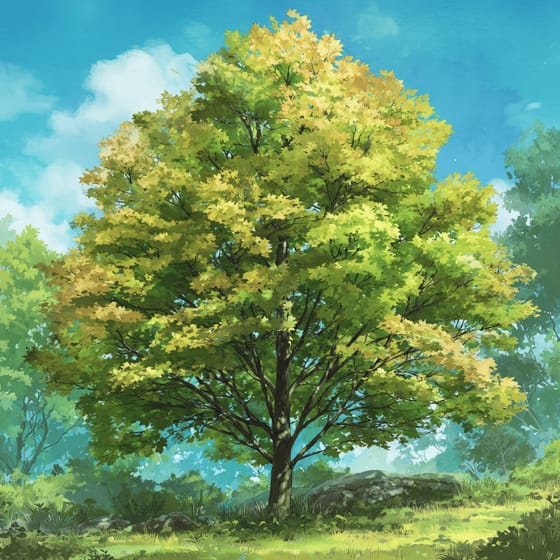
Acer saccharum
Breaks down fallen branches and logs of this tree.
Limax maximus
Slugs sometimes graze on the mushroom's fruiting bodies.
Spore-producing organisms reproduce by releasing small, often single-celled, reproductive units called spores.
Forest habitats are terrestrial environments dominated by dense tree cover, supporting a high diversity of plant and animal life.
Pertaining to organisms that emit light through bioluminescence or fluorescence.
Danger
1/5 · Very low
Do not pick or eat anything you find. Some plants and mushrooms can be harmful.
0.5-2 cm
inedible
0.5-3 cm
Decaying trees in forests
wood
Fall
White
Zoom in to split clusters and explore where this object has been snapped.

Tennessee, US
You might spot Komodo Dragon, Western Barn Owl, and Snow Leopard.
View guide →
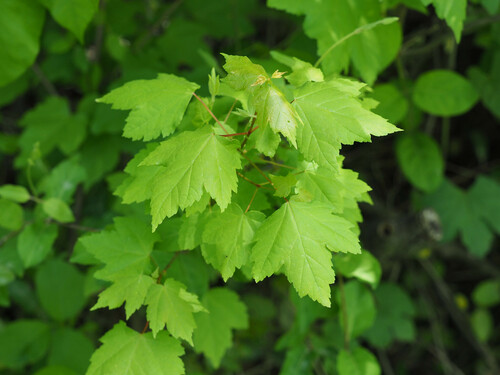
New York, US
You might spot Red Maple, Black Tupelo, and Sensitive Fern.
View guide →

New York, US
You might spot Common Ostrich, Equus Africanus Asinus, and Serval.
View guide →

Zurich, CH
You might spot Gray Wolf, Equus Ferus Przewalskii, and European Lynx.
View guide →