.jpg&width=800)





Acanthocephala terminalis
Acanthocephala terminalis
Acanthocephala terminalis ist eine besondere Insektenart, die im Wasser lebt. Sie hat eine einzigartige Körperform und ist in Teichen und Seen zu finden, was sie zu einem faszinierenden Geschöpf macht!
Lebensraum: Süßwassergebiete
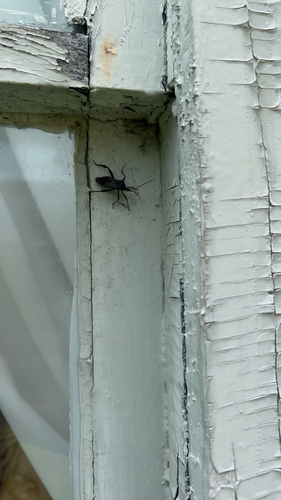
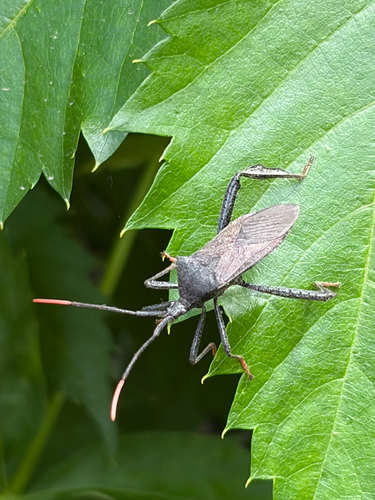
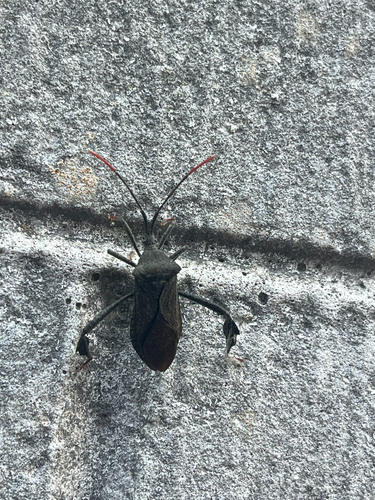
Die Acanthocephala terminalis ist ein kleines, dornig-körperliches Insekt, typischerweise dunkelbraun bis schwarz, mit einer charakteristischen rötlich-orangen Spitze am Ende ihres Hinterleibs. Ihr hartes Exoskelett ist mit winzigen, scharfen Borsten bedeckt, was ihr ein raues Aussehen verleiht, das sie optisch von glattkörperigen Käfern unterscheidet.
Kategorie
InsektenSeltenheit
Rare
Gefahr
2/5 · Gering
Snaps
38
Wenn sie bedroht wird, kann sie sich manchmal tot stellen, indem sie völlig still verharrt!
Ihre Larven leben versteckt unter der Erde und knabbern monatelang an Wurzeln, bevor sie schlüpfen!
Dieses Insekt nutzt seine Fühler, um seine Lieblingsblätter aus der Ferne zu riechen!
Winzige Körperstacheln wirken wie Haken und helfen ihr, sich bei Wind fest an Pflanzen zu klammern!
Dieses pflanzenfressende Insekt knabbert hauptsächlich an den Blättern spezifischer Pflanzen!
Altersunterschiede: Die Larven ernähren sich von Pflanzenwurzeln, während erwachsene Tiere Blätter fressen.
Sialia sialis
Hüttensänger suchen oft Insekten an Bäumen.
Tamias striatus
Streifenhörnchen ergänzen gelegentlich ihre Nahrung mit Insekten.
Quercus alba
Die Larven dieses Insekts ernähren sich von den Wurzeln der Eichen.
Acer rubrum
Erwachsene Tiere ernähren sich von den Blättern verschiedener Laubbäume.
Einzelgänger leben den größten Teil ihres Lebens allein und interagieren mit Artgenossen nur zur Paarung oder zur Aufzucht der Jungen.
Filtrierer nehmen Nährstoffe auf, indem sie schwebende Nahrungspartikel und kleine Organismen aus dem Wasser filtern.
Dieses Merkmal kennzeichnet Lebewesen, deren Ernährung vollständig oder hauptsächlich aus pflanzlichem Material besteht.
Besitzt scharfe, spitze Vorsprünge oder Stacheln auf dem Körper oder der Oberfläche.

Bezieht sich auf Arten, die deutlich kleiner sind als der Durchschnitt oder das Typische ihrer Art.

Süßwasserlebensräume umfassen nicht-salzige Gewässer wie Flüsse, Seen, Teiche und Feuchtgebiete, die für zahlreiche Arten lebenswichtig sind.

Aquatische Lebensräume umfassen Umgebungen, in denen Organismen überwiegend im Wasser leben, darunter Ozeane, Flüsse, Seen und Feuchtgebiete.

Dieses Merkmal beschreibt Organismen, die auf oder in einem Wirtsorganismus leben und Nährstoffe auf Kosten des Wirts beziehen.
Noch keine Alternativnamen vorhanden.
Gefahr
2/5 · Gering
Wascht euch immer die Hände, nachdem ihr Wassergebiete erkundet habt, um sauber und gesund zu bleiben.
Der einfachste Weg, Acanthocephala terminalis zu bestimmen, ist die Verwendung der Naturführer-App Snappit.
10-30 mm
5-15 mm
30-180 Tage
8 km/h
Dieses pflanzenfressende Insekt knabbert hauptsächlich an den Blättern spezifischer Pflanzen!
Süßwassergebiete
Futtersuche
Zoome hinein, um Cluster aufzulösen und zu sehen, wo dieses Objekt fotografiert wurde.
05.06.2026
Bristol Downtown Historic DistrictBildnachweis
no rights reserved
Lizenz: CC0 1.0 ↗
Das Bild wird möglicherweise zugeschnitten im Kartenrahmen angezeigt.
26.04.2026
Honor Heights ParkBildnachweis
(c) Felix Blesch, some rights reserved (CC BY)
Lizenz: CC BY 4.0 ↗
Das Bild wird möglicherweise zugeschnitten im Kartenrahmen angezeigt.
23.04.2026
Flint RiverQuariumBildnachweis
(c) Lexa, some rights reserved (CC BY)
Lizenz: CC BY 4.0 ↗
Das Bild wird möglicherweise zugeschnitten im Kartenrahmen angezeigt.

Tennessee, US
Hier kann man sehen Schwarzbär, Gelbe Trillium und Philenor-Schwalbenschwanz.
Führer anzeigen →

Arkansas, US
Hier kann man sehen östliches Grauhörnchen und Asiatischer Marienkäfer.
Führer anzeigen →

Vermont, US
Hier kann man sehen Japanischer Staudenknöterich und Rotbauchspecht.
Führer anzeigen →

District of Columbia, US
Hier kann man sehen Gefleckte Laternentröger und östliches Grauhörnchen.
Führer anzeigen →
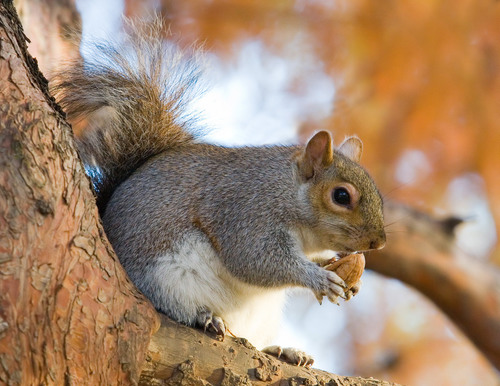
Georgia, US
Hier kann man sehen östliches Grauhörnchen, Hauskatze und Wanderdrossel.
Führer anzeigen →

Michigan, US
Hier kann man sehen östliche Dosenschildkröte und Herbst-ölweide.
Führer anzeigen →
Nimm die Entdeckung mit
Fotografiere deinen Fund mit Snappit, bestimme die Art und füge die Entdeckung deiner Sammlung hinzu.









.jpg&width=800)




