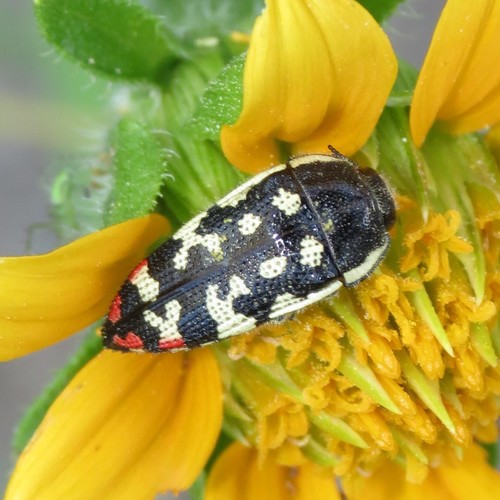


Acmaeodera Opacula
acmaeodera opacula
Acmaeodera opacula ist eine faszinierende Art von Prachtkäfer, die zu einer einzigartigen Gruppe gehört, die umgangssprachlich als 'Blumen-Prachtkäfer' bekannt ist. Im Gegensatz zu vielen ihrer metallisch glänzenden Verwandten, die sich in Blätter und Rinde einfügen, sind diese kleinen, fleißigen Käfer am häufigsten auf den Blüten von Wildblumen zu finden. Sie erfüllen eine doppelte ökologische Funktion in ihren trockenen und halbtrockenen Lebensräumen. Als erwachsene Tiere fungieren sie als geringfügige Bestäuber, während sie sich von Pollen und Blütenblättern ernähren und dabei unbeabsichtigt Pollen von Blüte zu Blüte übertragen. In ihrem Larvenstadium sind sie entscheidende Zersetzer, die in totes oder absterbendes Holz bohren, um zähes Pflanzenmaterial abzubauen und Nährstoffe in das Ökosystem zurückzuführen.
Lebensraum: In trockenen, offenen Wäldern, Buschlandschaften und Wüstenrändern zu finden, oft auffällig auf den Blüten von Wildblumen ruhend.
Diese Art zeichnet sich durch einen relativ kleinen, länglichen und etwas zylindrischen Körper aus, der leicht abgeflacht ist. Im Gegensatz zu den meisten typischen Käfern fehlt Acmaeodera ein sichtbares Scutellum (das kleine dreieckige Schildchen zwischen den Flügeldeckenbasen). Das 'opacula' in ihrem Namen deutet auf eine stumpfere, undurchsichtigere Außenseite hin, verglichen mit dem auffälligen Glanz anderer Prachtkäfer. Sie präsentiert sich im Allgemeinen mit einer dunklen, oft bräunlich-schwarzen bis schwarzen Grundfarbe, typischerweise gesprenkelt oder gebändert mit subtilen helleren Markierungen wie gelben, orangefarbenen oder rötlichen Flecken, die ihr helfen, sich in das gesprenkelte Licht der von ihr frequentierten Blumen einzufügen.
Kategorie
InsektenSeltenheit
Common
Gefahr
1/5 · Sehr gering
Snaps
Mach den ersten Snap!
Aufgrund ihrer verschmolzenen Flügelbasen sind sie recht wendige Flieger, die bei Störung auf einer Blume schnell abheben können.
Arten der Gattung Acmaeodera sind unter Käfern sehr ungewöhnlich, da ihnen ein sichtbares Scutellum fehlt, die kleine dreieckige Platte, die typischerweise zwischen den Flügeldecken zu sehen ist.
Ihr spezifisches Epitheton 'opacula' deutet auf ein etwas weniger glänzendes, undurchsichtigeres Exoskelett hin, was sie von den berühmten hellen, irisierenden Mitgliedern der Familie der Prachtkäfer unterscheidet.
Wie andere Arten seiner Gattung hat dieser Käfer die Basen seiner Flügeldecken (Elytren) miteinander verschmolzen, was ihm ermöglicht, effektiv zu fliegen, ohne sie vollständig öffnen zu müssen.
Im Larvenstadium besitzt er spezialisierte Enzyme im Darm, die ihm ermöglichen, zähe Zellulose und Lignin aus totem und absterbendem Holz zu verdauen.
Er gedeiht in heißen, trockenen Umgebungen und zeigt physiologische Anpassungen, die eine Austrocknung während der größten Tageshitze verhindern.
Erwachsene ernähren sich hauptsächlich von Pollen, Nektar und Blütenblättern, während die Larven das Holz abgestorbener oder absterbender Bäume und Sträucher fressen.
Altersunterschiede: Es findet eine vollständige Ernährungsumstellung während der Metamorphose statt; Larven sind xylophage (holzfressende) Bohrer, während Erwachsene florivor (blütenfressend) sind.

Encelia farinosa
Erwachsene besuchen oft die Blüten dieser Wüstensträucher, um Pollen zu fressen.
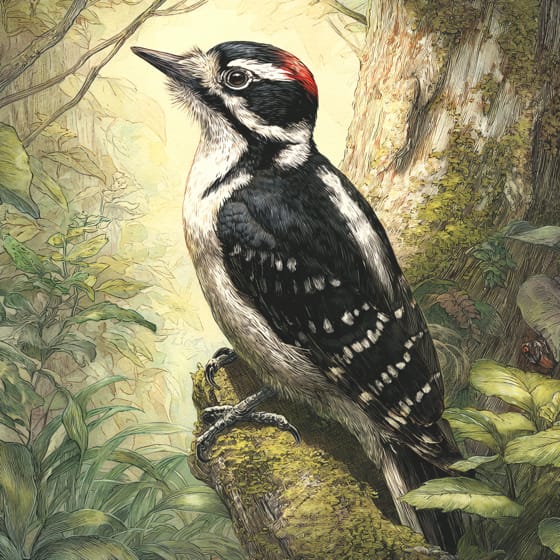
Leuconotopicus villosus
Spechte suchen nach den holzbohrenden Larven, die in abgestorbenen Ästen versteckt sind.
Chalcididae
Parasitoide Wespen suchen die versteckten Larven von Prachtkäfern auf, um ihre Eier zu legen.
Für dieses Objekt sind noch keine Merkmal-Badges vergeben.
Noch keine Alternativnamen vorhanden.
Sammlungen für dieses Objekt erscheinen hier, wenn weitere Themen hinzugefügt werden.
Gefahr
1/5 · Sehr gering
Noch keine besonderen Sicherheitshinweise.
Der einfachste Weg, Acmaeodera Opacula zu bestimmen, ist die Verwendung der Naturführer-App Snappit.
1 cm
1-2 cm
0.00001-0.00005 kg
1-3 Jahre
Erwachsene ernähren sich hauptsächlich von Pollen, Nektar und Blütenblättern, während die Larven das Holz abgestorbener oder absterbender Bäume und Sträucher fressen.
In trockenen, offenen Wäldern, Buschlandschaften und Wüstenrändern zu finden, oft auffällig auf den Blüten von Wildblumen ruhend.
Sammeln
Zoome hinein, um Cluster aufzulösen und zu sehen, wo dieses Objekt fotografiert wurde.
Neueste Snaps erscheinen hier, wenn neue Beobachtungen hinzukommen.
Nimm die Entdeckung mit
Fotografiere deinen Fund mit Snappit, bestimme die Art und füge die Entdeckung deiner Sammlung hinzu.









.jpg&width=800)




