





Ampedus
Ampedus
Ampedus ist eine Käferart, die es liebt, den Boden zu erkunden. Man findet sie oft in Gärten und auf Feldern, wo sie helfen, den Boden gesund zu halten, indem sie Schädlinge fressen.
Lebensraum: Wälder
Die Ampedus ist ein länglicher, oft dunkel gefärbter Käfer, typischerweise glänzend schwarz oder braun, manchmal mit auffälligen roten oder gelben Zeichnungen. Ihr harter, glatter Körper ist deutlich segmentiert, was ihr ein stromlinienförmiges Aussehen verleiht, das sich von runderen Käfern unterscheidet.
Kategorie
InsektenSeltenheit
Common
Gefahr
1/5 · Sehr gering
Snaps
Mach den ersten Snap!
Ampedus-Käfer können ein Vielfaches ihrer eigenen Höhe springen, indem sie sich mit einem kräftigen Klick hochschnellen!
Baby-Ampedus werden Drahtwürmer genannt und können Jahre unter der Erde wachsen, bevor sie zu Käfern werden!
Wenn ein Ampedus-Käfer auf dem Rücken landet, klickt er und dreht sich im Handumdrehen wieder auf die richtige Seite!
Das erstaunliche Klickgeräusch, das sie machen, entsteht nicht mit ihren Beinen, sondern durch einen cleveren federbelasteten Mechanismus!
Ampedus kann eine spezielle Wirbelsäule kraftvoll in eine Rille ihres Körpers schnappen lassen, da dies ihnen hilft, sich aufzurichten oder Fressfeinden zu entkommen.
Ampedus hat ein hartes Exoskelett und eine kryptische Färbung, die ihm hilft, perfekt mit Rinde und verrottendem Holz zu verschmelzen, um nicht gesehen zu werden.
Ampedus-Larven haben zähe, längliche Körper und kräftige Mundwerkzeuge, die ihnen helfen, durch Erde und Holz zu graben auf der Suche nach Nahrung.
Ampedus-Larven knabbern an Pflanzenwurzeln und anderen Insekten, während erwachsene Tiere Blütennektar und kleine Beute bevorzugen.
Altersunterschiede: Larven (Drahtwürmer) fressen hauptsächlich Wurzeln und andere Insekten, während erwachsene Tiere sich von Nektar, Pollen oder kleiner Beute ernähren.
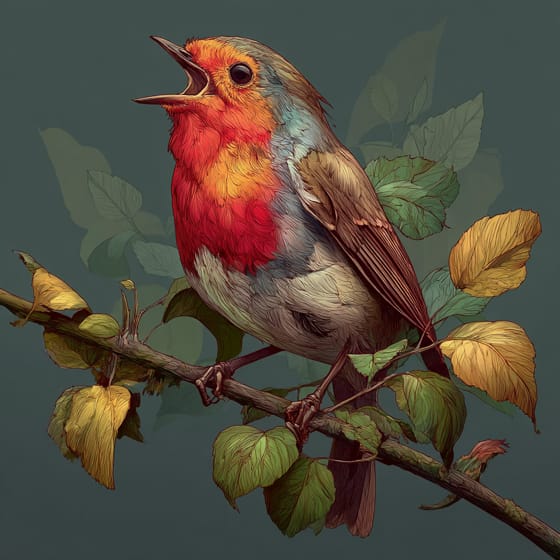
Turdus migratorius
Rotkehlchen jagen oft Ampedus-Käfer, die auf dem Boden gefunden werden.
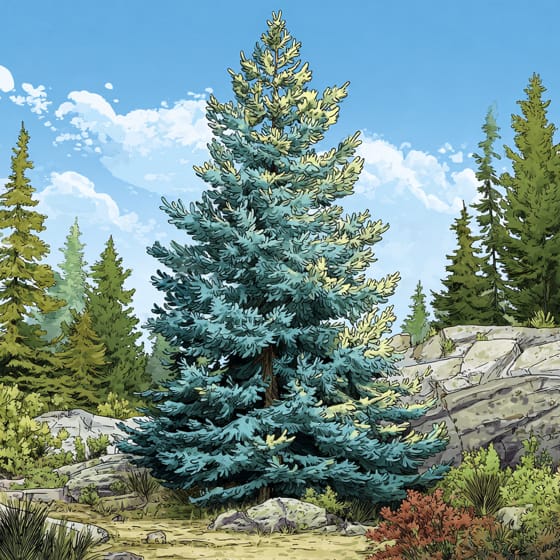
Picea glauca
Larvale Drahtwürmer können manchmal an den Wurzeln junger Fichten fressen.
Achillea millefolium
Erwachsene Ampedus besuchen Blüten, nippen Nektar und helfen bei der Bestäubung.
Einzelgänger leben den größten Teil ihres Lebens allein und interagieren mit Artgenossen nur zur Paarung oder zur Aufzucht der Jungen.
Farbenfroh beschreibt Organismen oder Objekte, die eine große Vielfalt an leuchtenden und deutlich erkennbaren Farben aufweisen.
Getarnt beschreibt Organismen, die über eine Färbung oder Musterung verfügen, durch die sie mit ihrer Umgebung verschmelzen.
Dieses Merkmal kennzeichnet Lebewesen, deren Ernährung vollständig oder hauptsächlich aus pflanzlichem Material besteht.

Waldlebensräume sind terrestrische Lebensräume, die von dichtem Baumbestand dominiert werden und eine große Vielfalt an Pflanzen- und Tierarten beherbergen.

Beschreibt Organismen, die totes organisches Material abbauen und Nährstoffe in das Ökosystem zurückführen.

Bezieht sich auf Arten, die deutlich kleiner sind als der Durchschnitt oder das Typische ihrer Art.

Bezieht sich auf Organismen, die durch Biolumineszenz oder Fluoreszenz Licht abgeben.

Nachtaktive Tiere sind hauptsächlich in den Nachtstunden aktiv und ruhen oder schlafen normalerweise tagsüber.
Noch keine Alternativnamen vorhanden.
Gefahr
1/5 · Sehr gering
Seien Sie sanft, wenn Sie die Natur erkunden, und vermeiden Sie es, Insekten zu berühren, es sei denn, Sie wissen, dass sie sicher sind.
Der einfachste Weg, Ampedus zu bestimmen, ist die Verwendung der Naturführer-App Snappit.
10-30 mm
5-15 mm
30-120 Tage
8 km/h
Ampedus-Larven knabbern an Pflanzenwurzeln und anderen Insekten, während erwachsene Tiere Blütennektar und kleine Beute bevorzugen.
Wälder
Nahrungssuche
Zoome hinein, um Cluster aufzulösen und zu sehen, wo dieses Objekt fotografiert wurde.
Neueste Snaps erscheinen hier, wenn neue Beobachtungen hinzukommen.
Nimm die Entdeckung mit
Fotografiere deinen Fund mit Snappit, bestimme die Art und füge die Entdeckung deiner Sammlung hinzu.









.jpg&width=800)


