





Amphibolips
amphibolips
Die Amphibolips ist ein winziges, farbenfrohes Insekt, das gerne in Gärten herumhüpft. Man findet es oft auf Blättern ruhend, wo es sich in seine Umgebung einfügt!
Lebensraum: Amphibolips leben in Gärten, Wiesen und Wäldern, wo Blumen blühen.
Die Amphibolips ist eine kleine, dunkel gefärbte Wespe, typischerweise schwarz oder braun, nur wenige Millimeter lang. Sie hat klare Flügel mit reduzierter Äderung und einen charakteristischen, komprimierten Hinterleib. Ihre subtilen, unscheinbaren Farben machen sie durch ihre winzige Größe und ihre Verbindung zu den einzigartigen Gallen, die sie an Eichen erzeugt, optisch unverwechselbar.
Kategorie
InsektenSeltenheit
Common
Gefahr
0/5 · Keine bekannte Gefahr
Snaps
Mach den ersten Snap!
Gallen können leuchtend rot, gelb oder sogar stachelig sein, sodass sie wie außerirdische Pflanzenteile aussehen!
Einige Amphibolips-Arten haben während ihres Lebenszyklus zwei völlig unterschiedliche erwachsene Formen!
Die Insekten in den Gallen sind super sicher; es ist, als ob sie in einer winzigen, maßgeschneiderten Burg leben würden!
Wow, manche Gallen, die von diesen Wespen gemacht werden, sind so groß, dass sie wie Äpfel an Eichen aussehen!
Amphibolips kann Eichenzellen durch Eiablage umprogrammieren, wodurch die Pflanze gezwungen wird, einzigartige, schützende Strukturen, sogenannte Gallen, zu bilden.
Amphibolips hat die Fähigkeit, Eichen dazu zu bringen, spezialisiertes Pflanzengewebe zu bilden, das ihre sich entwickelnden Larven innerhalb einer Galle umgibt und ernährt.
Amphibolips hat die Fähigkeit, Pflanzen zur Bildung spezialisierter Unterschlüpfe anzuregen, die ihren sich entwickelnden Nachwuchs vor Raubtieren schützen.
Amphibolips kann chemische Signale nutzen, um Eichen dazu zu bringen, ein perfektes, maßgeschneidertes Zuhause und eine Nahrungsquelle für ihre Nachkommen zu schaffen.
Amphibolips-Larven fressen das weiche Pflanzengewebe in ihren Gallenhäusern, während erwachsene Tiere selten fressen.
Altersunterschiede: Larven verzehren Gallengewebe, während erwachsene Tiere typischerweise nicht fressen oder nur Wasser/Nektar schlürfen.
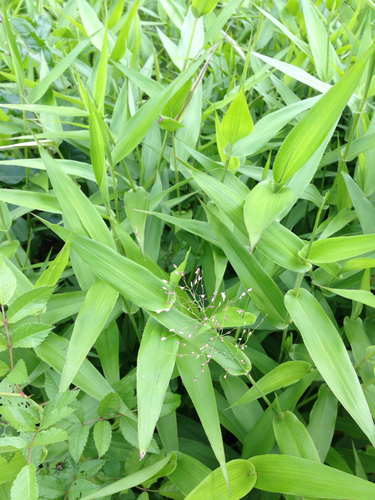
Quercus alba
Bietet Wirtsmaterial für Gallenbildung und Larvenentwicklung.
Torymus splendidus
Legt Eier in Amphibolips-Gallen ab und verzehrt die Larve.
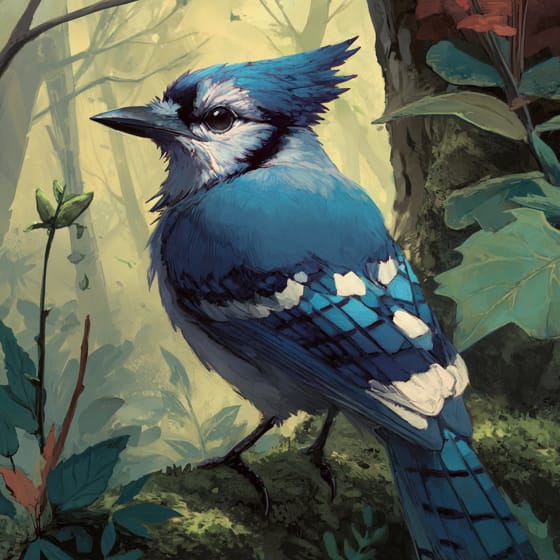
Cyanocitta cristata
Blauhäher sind dafür bekannt, Insekten zu fressen und manchmal Gallen aufzuhacken.
Soziale Tiere leben in organisierten Gruppen und kooperieren, um ihr Überleben zu sichern, beispielsweise bei der Nahrungssuche, Verteidigung und Aufzucht der Jungen.
Farbenfroh beschreibt Organismen oder Objekte, die eine große Vielfalt an leuchtenden und deutlich erkennbaren Farben aufweisen.
Dieses Merkmal kennzeichnet Lebewesen, deren Ernährung vollständig oder hauptsächlich aus pflanzlichem Material besteht.
Tagaktive Tiere sind hauptsächlich bei Tageslicht aktiv und ruhen oder schlafen in der Regel nachts.

Beschreibt Organismen, die Pollen übertragen und so die Befruchtung und Fortpflanzung von Pflanzen ermöglichen.
Gefahr
0/5 · Keine bekannte Gefahr
Waschen Sie sich immer die Hände, nachdem Sie draußen gespielt haben.
Der einfachste Weg, Amphibolips zu bestimmen, ist die Verwendung der Naturführer-App Snappit.
4-10 mm
2-5 mm
7-20 Tage
Amphibolips-Larven fressen das weiche Pflanzengewebe in ihren Gallenhäusern, während erwachsene Tiere selten fressen.
Amphibolips leben in Gärten, Wiesen und Wäldern, wo Blumen blühen.
6
Zoome hinein, um Cluster aufzulösen und zu sehen, wo dieses Objekt fotografiert wurde.
Neueste Snaps erscheinen hier, wenn neue Beobachtungen hinzukommen.
Nimm die Entdeckung mit
Fotografiere deinen Fund mit Snappit, bestimme die Art und füge die Entdeckung deiner Sammlung hinzu.







.jpg&width=800)



