

Aphanizomenon Flosaquae
aphanizomenon flosaquae
Aphanizomenon flosaquae, allgemein bekannt als AFA, ist eine Art von Blaualgen (Cyanobakterien), die weltweit in Süßwasserseen vorkommt. Bekannt für ihre Fähigkeit, dichte, grasähnliche Blüten zu bilden, spielt dieser urzeitliche Organismus eine grundlegende Rolle in aquatischen Ökosystemen, indem er Sonnenenergie und atmosphärischen Stickstoff in nutzbare organische Verbindungen umwandelt. Sie wird bekanntlich aus dem Upper Klamath Lake in Oregon als nährstoffreiches Nahrungsergänzungsmittel geerntet, geschätzt für ihr reichhaltiges Profil an Proteinen, Vitaminen und Mineralien. Trotz ihrer ernährungsphysiologischen Vorteile müssen wilde Blüten sorgfältig überwacht werden, da einige Stämme Cyanotoxine produzieren können, die die Wasserqualität und die lokale Tierwelt beeinträchtigen.
Lebensraum: Typischerweise schwimmend in eutrophen bis mesotrophen Süßwasserseen, Stauseen und langsam fließenden Flüssen weltweit zu finden.
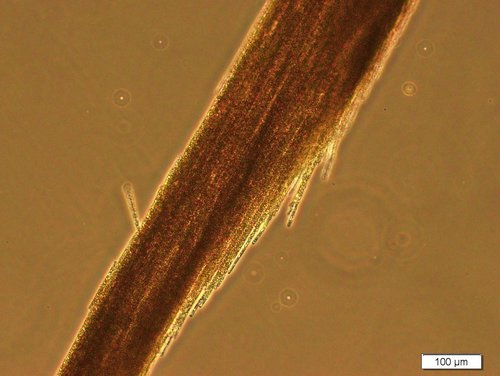
Aphanizomenon flosaquae ist in freier Wildbahn am besten an ihren charakteristischen Kolonien zu erkennen, die winzigen, hellgrünen bis blaugrünen Grasschnitt oder Kiefernnadeln ähneln, die im Wasser schwimmen. Diese kolonialen Flöße oder Trichome bündeln sich typischerweise parallel zueinander und erreichen Längen von bis zu 1 bis 2 Millimetern. Unter dem Mikroskop sind einzelne Zellen zylindrisch und in langen, perlenartigen Fäden angeordnet, die spezialisierte, größere Zellen, Heterozysten genannt, und Ruhesamen, bekannt als Akineten, enthalten.
Kategorie
AnimalSeltenheit
Gewöhnlich
Gefahr
1/5 · Sehr gering
Snaps
Mach den ersten Snap!
Aphanizomenon flosaquae ist eine der wenigen Arten, die sowohl Kohlenstoff als auch Stickstoff fixieren kann, was sie zu einer kritischen Pionierart in aquatischen Umgebungen macht.
Fossilfunde verwandter Cyanobakterien reichen über 3,5 Milliarden Jahre zurück, was sie zu den ältesten lebenden Abstammungslinien auf der Erde macht.
Ihr wissenschaftlicher Name bedeutet wörtlich „unsichtbare Blume des Wassers“ und verweist auf ihre mikroskopische individuelle Natur und schönen makroskopischen Kolonien.
Unter günstigen Bedingungen können massive AFA-Blüten ganze Seen bedecken und das Wasser in etwas verwandeln, das wie eine dicke grüne Erbsensuppe aussieht.
Nutzt spezialisierte Zellen, sogenannte Heterozysten, um atmosphärischen Stickstoff in bioverfügbares Ammonium umzuwandeln, was ihr das Gedeihen in stickstoffarmen Gewässern ermöglicht.
Nutzt interne Gasvesikel, um ihre Tiefe in der Wassersäule anzupassen, tagsüber zur Photosynthese an die Oberfläche zu steigen und nachts für Nährstoffe abzusinken.
Produziert dickwandige Überlebenszellen, Akineten genannt, die zum Sediment absinken, wodurch die Art raue Winterbedingungen überleben und im Frühling keimen kann.
Aphanizomenon flosaquae ist ein photoautotropher Organismus, der seine eigene Nahrung mithilfe von Sonnenlicht, Kohlendioxid und Wasser durch Photosynthese synthetisiert.
Daphnia pulicaria
Ernährt sich stark von Cyanobakterienzellen, wodurch die Blütenintensität kontrolliert wird.
Microcystis aeruginosa
Konkurriert um Licht und Nährstoffe in eutrophen Gewässern.
Hypophthalmichthys valitrix
Konsumiert die schwimmenden Filamente von AFA als Hauptnahrungsquelle.
Für dieses Objekt sind noch keine Merkmal-Badges vergeben.
Noch keine Alternativnamen vorhanden.
Sammlungen für dieses Objekt erscheinen hier, wenn weitere Themen hinzugefügt werden.
Gefahr
1/5 · Sehr gering
Noch keine besonderen Sicherheitshinweise.
Der einfachste Weg, Aphanizomenon Flosaquae zu bestimmen, ist die Verwendung der Naturführer-App Snappit.
bis zu 0 cm
Aphanizomenon flosaquae ist ein photoautotropher Organismus, der seine eigene Nahrung mithilfe von Sonnenlicht, Kohlendioxid und Wasser durch Photosynthese synthetisiert.
Typischerweise schwimmend in eutrophen bis mesotrophen Süßwasserseen, Stauseen und langsam fließenden Flüssen weltweit zu finden.
Zoome hinein, um Cluster aufzulösen und zu sehen, wo dieses Objekt fotografiert wurde.
Neueste Snaps erscheinen hier, wenn neue Beobachtungen hinzukommen.
Nimm die Entdeckung mit
Fotografiere deinen Fund mit Snappit, bestimme die Art und füge die Entdeckung deiner Sammlung hinzu.