





Aplidia transversa
Aplidia transversa
Aplidia transversa ist ein kleines, farbenfrohes Insekt, das sich gerne in Pflanzen versteckt. Seine leuchtenden Farben helfen ihm, sich mit Blüten zu tarnen, wodurch es etwas schwer zu entdecken ist!
Lebensraum: Wälder
Die Aplidia transversa ist ein rotbrauner Blatthornkäfer, der mit feinen, hellen Haaren bedeckt ist, was ihm ein samtiges Aussehen verleiht. Er weist oft subtile, hellere Querbinden auf seinen Flügeldecken auf, die ihn von einfach braunen Verwandten unterscheiden.
Kategorie
InsektenSeltenheit
Common
Gefahr
1/5 · Sehr gering
Snaps
Mach den ersten Snap!
Seine Babys, Larven genannt, leben mehrere Jahre lang versteckt unter der Erde, bevor sie sich verwandeln!
Einige Aplidia transversa können in riesigen Schwärmen auftreten und nachts ganze Bäume bedecken!
Diese Käfer versammeln sich oft nachts um Lichter, weil sie denken, es sei der Mond!
Beim Fliegen erzeugen diese Käfer ein deutliches Summen, fast wie ein winziger Hubschrauber!
Aplidia transversa kann dank ihrer robusten Flügel kraftvoll durch den Nachthimmel fliegen, um Nahrung und Partner zu finden.
Aplidia transversa besitzt ein hartes, schützendes Exoskelett, das sie vor Raubtieren und Umwelteinflüssen schützt.
Aplidia transversa kann mit ihren spezialisierten Antennen schwache Pheromone und Pflanzendüfte erkennen, was ihr hilft, Partner und Nahrungsquellen zu lokalisieren.
Diese Käfer fressen hauptsächlich Pflanzenblätter und -wurzeln und tragen so zur Wiederverwertung von Nährstoffen in ihrem Ökosystem bei.
Altersunterschiede: Larven ernähren sich von Pflanzenwurzeln unter der Erde, während Erwachsene die Blätter von Bäumen und Sträuchern fressen.
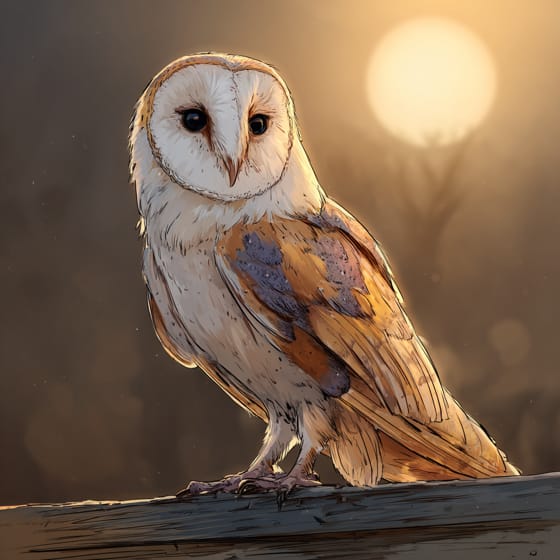
Tyto alba
Nachtaktive Jäger, sie jagen erwachsene Käfer, die nachts fliegen.
Erinaceus europaeus
Sucht am Boden nach Larven und erwachsenen Käfern.
Quercus ilex
Erwachsene ernähren sich von den Blättern dieses häufigen Mittelmeerbaumes.
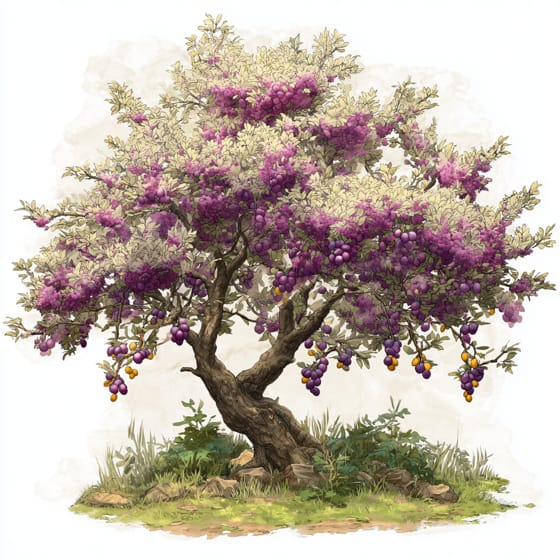
Prunus domestica
Erwachsene Käfer können manchmal Obstbäume entlauben.
Einzelgänger leben den größten Teil ihres Lebens allein und interagieren mit Artgenossen nur zur Paarung oder zur Aufzucht der Jungen.
Beschreibt Pflanzen, die für eine Vielzahl von bestäubenden Organismen besonders attraktiv und nützlich sind.
Farbenfroh beschreibt Organismen oder Objekte, die eine große Vielfalt an leuchtenden und deutlich erkennbaren Farben aufweisen.
Dieses Merkmal kennzeichnet Lebewesen, deren Ernährung vollständig oder hauptsächlich aus pflanzlichem Material besteht.

Waldlebensräume sind terrestrische Lebensräume, die von dichtem Baumbestand dominiert werden und eine große Vielfalt an Pflanzen- und Tierarten beherbergen.

Bezieht sich auf Arten, die deutlich kleiner sind als der Durchschnitt oder das Typische ihrer Art.

Tagaktive Tiere sind hauptsächlich bei Tageslicht aktiv und ruhen oder schlafen in der Regel nachts.

Beschreibt Organismen, die Pollen übertragen und so die Befruchtung und Fortpflanzung von Pflanzen ermöglichen.
Noch keine Alternativnamen vorhanden.
Gefahr
1/5 · Sehr gering
Immer nur ansehen, aber Insekten nicht anfassen, da manche empfindlich sein können.
Der einfachste Weg, Aplidia transversa zu bestimmen, ist die Verwendung der Naturführer-App Snappit.
20-30 mm
12-16 mm
30-60 Tage
8 km/h
Diese Käfer fressen hauptsächlich Pflanzenblätter und -wurzeln und tragen so zur Wiederverwertung von Nährstoffen in ihrem Ökosystem bei.
Wälder
Futtersuche
Zoome hinein, um Cluster aufzulösen und zu sehen, wo dieses Objekt fotografiert wurde.
Neueste Snaps erscheinen hier, wenn neue Beobachtungen hinzukommen.
Nimm die Entdeckung mit
Fotografiere deinen Fund mit Snappit, bestimme die Art und füge die Entdeckung deiner Sammlung hinzu.







.jpg&width=800)


