.jpg&width=800)





Aster
Aster novae-angliae
Astern sind wunderschöne Blumen, die in vielen Farben wie Lila, Rosa und Weiß vorkommen. Sie blühen im Spätsommer und Herbst und locken Schmetterlinge und Bienen mit ihren nektarreichen Blütenblättern an.
Lebensraum: Grasland
Die Aster hat zahlreiche leuchtende, margeritenartige Blüten, die typischerweise in Lila-, Rosa- oder Weißtönen mit leuchtend gelben Mitten erscheinen. Ihre Strahlenblüten strahlen wie ein Stern nach außen, was sie auf Herbstwiesen leicht erkennbar macht.
Kategorie
PflanzenSeltenheit
Common
Gefahr
1/5 · Sehr gering
Snaps
Mach den ersten Snap!
Astern werden manchmal 'Frostblumen' genannt, weil sie zu den letzten gehören, die vor dem Winter blühen.
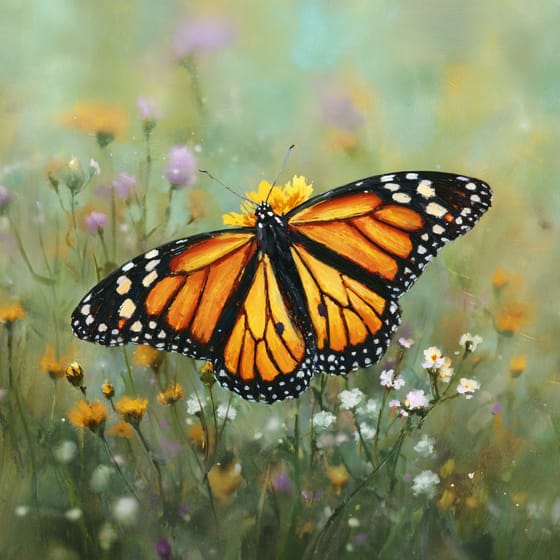
Monarchfalter sind auf Aster-Nektar angewiesen, um ihre lange Wanderung nach Süden jeden Herbst zu befeuern!
Indianerstämme verwendeten historisch Teile der Aster-Pflanze für Kräuterheilmittel und Tees.
Einige Aster-Sorten können ihre Blütenfarbe mit zunehmendem Alter leicht ändern, oft von Lila zu einem sanfteren Rosa.
Krautige Pflanzen sind nicht verholzende Pflanzen mit weichen Stängeln, die am Ende der Vegetationsperiode normalerweise bis zum Boden absterben.
Blütenpflanzen sind alle Pflanzen, die als Teil ihres Fortpflanzungszyklus Blüten bilden.
Blütenbüschel sind Blütenstände, bei denen einzelne Blüten dicht beieinander an einem gemeinsamen Stängel angeordnet sind.
Frühlingsblüher bilden ihre Blüten im Frühjahr und kündigen oft das Ende des Winters und den Beginn neuen Wachstums an.

Schattenverträgliche Pflanzen sind an das Wachstum und Gedeihen in Bereichen mit wenig Licht angepasst und benötigen weniger direkte Sonneneinstrahlung.

Zweijährige Pflanzen vollenden ihren Lebenszyklus in zwei Vegetationsperioden, wobei sie im ersten Jahr normalerweise Laub bilden und im zweiten blühen und Samen tragen.

Duftende Blüten verströmen ein angenehmes Aroma, oft um Bestäuber anzulocken oder zur Abwehr.

Beschreibt Pflanzen, die für eine Vielzahl von bestäubenden Organismen besonders attraktiv und nützlich sind.

Grasland-Lebensräume sind terrestrische Biome, die von Gräsern und krautigen Pflanzen dominiert werden und einer Vielzahl von Weidetieren als Lebensraum dienen.
Gefahr
1/5 · Sehr gering
Genießen Sie es, Astern in der Natur zu betrachten, aber pflücken Sie sie nicht ohne Erlaubnis, da sie Bestäubern helfen.
Der einfachste Weg, Aster zu bestimmen, ist die Verwendung der Naturführer-App Snappit.
90-180 cm
30-90 cm
2-5 cm
Late summer to fall
Nein
Keine
Mehrjährig
Zoome hinein, um Cluster aufzulösen und zu sehen, wo dieses Objekt fotografiert wurde.
Neueste Snaps erscheinen hier, wenn neue Beobachtungen hinzukommen.

Östergötland County, SE
Hier kann man sehen Tiger, Gorilla und Großer Tümmler.
Führer anzeigen →

Texas, US
Hier kann man sehen Schwertwal, Weißwal und Großer Tümmler.
Führer anzeigen →

Missouri, US
Hier kann man sehen Ameise, Vogelspinne und Arge.
Führer anzeigen →
Texas, US
Hier kann man sehen Schwertwal, Weißwal und Großer Tümmler.
Führer anzeigen →
Nimm die Entdeckung mit
Fotografiere deinen Fund mit Snappit, bestimme die Art und füge die Entdeckung deiner Sammlung hinzu.








.jpg&width=800)


_001.jpg&width=800)



