

Austrostipa
austrostipa
Austrostipa, umgangssprachlich als Speergras bekannt, ist eine vielfältige und ökologisch wichtige Gattung ausdauernder Horstgräser, die hauptsächlich in Australien heimisch ist. Diese Gräser sind ein wesentliches Merkmal der australischen Landschaft und gedeihen in offenen Wäldern, Grasländern und ariden Regionen, wo sie als Pionierpflanzen auf gestörten Böden agieren und eine entscheidende Rolle bei der Verhinderung von Bodenerosion spielen. Was Austrostipa wirklich faszinierend macht, ist ihre hochentwickelte Fortpflanzungsstrategie: Ihre Samen verfügen über lange, verdrehte, fadenförmige Grannen, die dynamisch auf Luftfeuchtigkeit reagieren und sich buchstäblich in den Boden bohren, um eine erfolgreiche Keimung zu gewährleisten. Sie dienen unzähligen heimischen Vögeln, Insekten und Beuteltieren als essentielle Lebensräume und Nahrungsquellen.
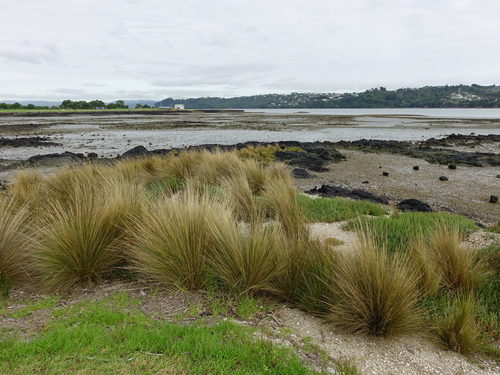
Lebensraum: Findet sich in offenen Grasländern, trockenen Wäldern, Küstendünen und felsigen Hängen in gemäßigten und halbtrockenen Regionen.
Austrostipa-Arten bilden typischerweise dichte, aufrechte Horste aus schmalen, gerollten oder flachen grünen Blättern. Sie entwickeln auffällige, federartige Blütenstände (Rispen), deren Farbe von silbrig-weiß bis tiefbronze reichen kann. Das markanteste Merkmal ist die Samen-Einheit, die aus einer scharfen, spitzen Basis (dem Kallus) besteht, an der eine lange, verdrehte, nadelartige Granne befestigt ist, die bis zu 10 cm lang werden kann und der Pflanze in voller Blüte ein federartiges, verschwommenes Aussehen verleiht.
Kategorie
PflanzenSeltenheit
Gewöhnlich
Gefahr
1/5 · Sehr gering
Snaps
Mach den ersten Snap!
Austrostipa-Arten sind ausgezeichnete Bodenstabilisatoren, die dank ihrer umfangreichen Wurzelwerke Erosion in trockenen, windigen Umgebungen verhindern.
Die scharfen Samen können leicht die Socken von Wanderern und die wolligen Felle von Schafen durchdringen, was der Pflanze hilft, ihre Samen in neue Gebiete zu verbreiten.
Die Drehbewegung der Samengranne ist so stark, dass sie sogar einige leichte Stoffe durchbohren kann.
Als Pflanze erzeugt es seine eigene Energie durch Photosynthese, indem es Wasser und mineralische Nährstoffe aus dem Boden aufnimmt und Kohlendioxid aus der Luft bindet.
Für dieses Objekt sind noch keine Merkmal-Badges vergeben.
Noch keine Alternativnamen vorhanden.
Sammlungen für dieses Objekt erscheinen hier, wenn weitere Themen hinzugefügt werden.
Gefahr
1/5 · Sehr gering
Noch keine besonderen Sicherheitshinweise.
Vergleiche Blütenstände, Stängelform, den Ansatz der Blätter und das Gelenk, an dem das Blatt auf den Stängel trifft. Eine gemähte Rasenfläche zeigt selten genug für eine genaue Bestimmung. Gräser bestimmen: Lade ein Foto hoch und vergleiche die sichtbaren Merkmale.
30-150 cm
5-20 Jahre
Als Pflanze erzeugt es seine eigene Energie durch Photosynthese, indem es Wasser und mineralische Nährstoffe aus dem Boden aufnimmt und Kohlendioxid aus der Luft bindet.
Findet sich in offenen Grasländern, trockenen Wäldern, Küstendünen und felsigen Hängen in gemäßigten und halbtrockenen Regionen.
Zoome hinein, um Cluster aufzulösen und zu sehen, wo dieses Objekt fotografiert wurde.
Neueste Snaps erscheinen hier, wenn neue Beobachtungen hinzukommen.
Nimm die Entdeckung mit
Fotografiere deinen Fund mit Snappit, bestimme die Art und füge die Entdeckung deiner Sammlung hinzu.