





Bibio
bibio
Bibio sind faszinierende kleine Fliegen, die oft im Frühling erscheinen. Sie haben glänzend schwarze Körper und können beim Summen um Blumen herum beobachtet werden!
Lebensraum: Bibio können in Gärten, auf Wiesen und in der Nähe von Wasserquellen gefunden werden.
Die Bibio ist eine stämmige, behaarte Fliege, typischerweise schwarz oder dunkelbraun mit robustem Körper und auffallend rauchigen oder klaren Flügeln. Einige Arten haben leuchtend orange oder rote Markierungen an Beinen oder Thorax. Sie unterscheiden sich optisch von Stubenfliegen durch ihren kräftigeren Körperbau und oft dunklere Flügelfärbung.
Kategorie
InsektenSeltenheit
Common
Gefahr
0/5 · Keine bekannte Gefahr
Snaps
Mach den ersten Snap!
Bibio-Larven können bis zu einem ganzen Jahr unterirdisch leben, bevor sie sich zu erwachsenen Tieren entwickeln!
Obwohl viele Bibio im Frühling fliegen, erscheinen einige einzigartige Arten stattdessen im Herbst zum Flug!
Männliche Bibio schwärmen oft zusammen und sehen im Frühling wie winzige fliegende Wolken aus!
Einige Bibio-Arten werden nach ihrer Lieblings-Frühlingspflanze 'Weißdornfliegen' genannt!
Bibio-Männchen können sich zu riesigen Luftschwärmen versammeln, da dies ihnen hilft, während ihres kurzen Erwachsenenlebens schnell Partner zu finden.
Bibio-Larven haben starke Mundwerkzeuge, die ihnen helfen, abgestorbene Blätter und Pflanzen im Boden zu zersetzen und ihn so anzureichern.
Erwachsene Bibio trotzen kühlem Frühlingswetter, um früh blühende Pflanzen zu bestäuben, die andere Insekten möglicherweise verpassen würden.
Erwachsene Bibio fressen normalerweise nicht, aber ihre Larven sind wichtige Zersetzer, die sich von abgestorbenen Pflanzen ernähren.
Altersunterschiede: Erwachsene ernähren sich typischerweise nicht und konzentrieren sich vollständig auf die Fortpflanzung. Larven sind Detritivoren.
Prunus spinosa
Bibio helfen, ihre frühen Frühlingsblüten zu bestäuben.
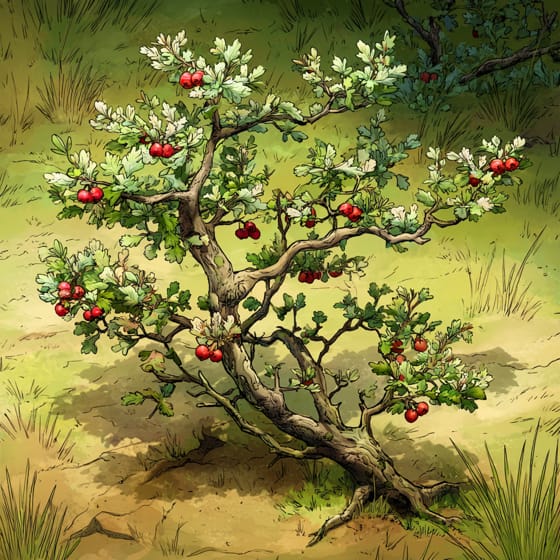
Crataegus monogyna
Bibio sind wichtige frühe Bestäuber von Weißdornbäumen.
Salix caprea
Bibio besuchen und bestäuben frühe Weidenkätzchen im Frühling.
%2C_Parc_de_Woluw%C3%A9%2C_Brussels_(13042792905).jpg&width=800)
Parus major
Erwachsene Bibio sind eine Nahrungsquelle für viele insektenfressende Vögel.
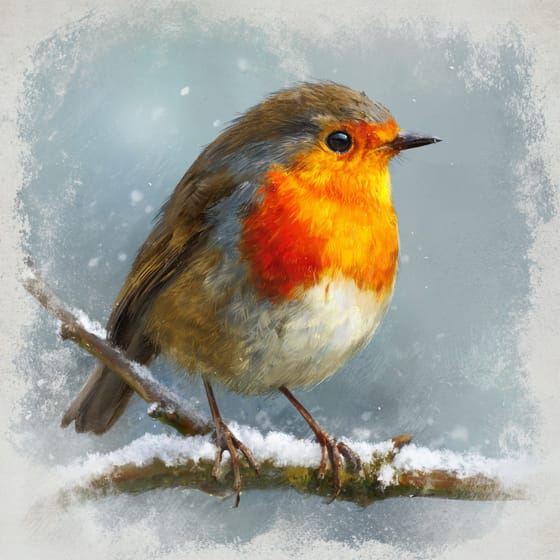
Erithacus rubecula
Rotkehlchen fressen Bibio, besonders während ihres Frühlingsauftretens.
Soziale Tiere leben in organisierten Gruppen und kooperieren, um ihr Überleben zu sichern, beispielsweise bei der Nahrungssuche, Verteidigung und Aufzucht der Jungen.
Farbenfroh beschreibt Organismen oder Objekte, die eine große Vielfalt an leuchtenden und deutlich erkennbaren Farben aufweisen.
Waldlebensräume sind terrestrische Lebensräume, die von dichtem Baumbestand dominiert werden und eine große Vielfalt an Pflanzen- und Tierarten beherbergen.
Tagaktive Tiere sind hauptsächlich bei Tageslicht aktiv und ruhen oder schlafen in der Regel nachts.

Beschreibt Organismen, die Pollen übertragen und so die Befruchtung und Fortpflanzung von Pflanzen ermöglichen.
Gefahr
0/5 · Keine bekannte Gefahr
Noch keine besonderen Sicherheitshinweise.
Der einfachste Weg, Bibio zu bestimmen, ist die Verwendung der Naturführer-App Snappit.
8-25 mm
4-12 mm
3-10 Tage
8 km/h
Erwachsene Bibio fressen normalerweise nicht, aber ihre Larven sind wichtige Zersetzer, die sich von abgestorbenen Pflanzen ernähren.
Bibio können in Gärten, auf Wiesen und in der Nähe von Wasserquellen gefunden werden.
Futtersuche
Zoome hinein, um Cluster aufzulösen und zu sehen, wo dieses Objekt fotografiert wurde.
Neueste Snaps erscheinen hier, wenn neue Beobachtungen hinzukommen.
Nimm die Entdeckung mit
Fotografiere deinen Fund mit Snappit, bestimme die Art und füge die Entdeckung deiner Sammlung hinzu.








.jpg&width=800)


