





Blaesodiplosis
Blaesodiplosis
Blaesodiplosis ist ein winziges Insekt, das gerne auf Pflanzen lebt. Sie sind sehr klein und schwer zu sehen, spielen aber eine wichtige Rolle in der Natur, indem sie Pflanzen beim Wachsen helfen.
Lebensraum: Wälder
Die Blaesodiplosis ist eine sehr winzige, zarte Fliege mit mückenähnlichem Aussehen. Sie hat typischerweise einen schlanken Körper mit langen, dünnen Beinen und durchscheinenden, oft behaarten Flügeln. Ihre Färbung ist normalerweise unscheinbar und reicht von hellbraun über rötlich bis gelblich, wodurch sie sich in ihre Umgebung einfügt.
Kategorie
InsektenSeltenheit
Common
Gefahr
1/5 · Sehr gering
Snaps
Mach den ersten Snap!
Auch wenn sie wie winzige Mücken aussehen, stechen sie weder Menschen noch Tiere.
Gallmücken sind eine der vielfältigsten Fliegenfamilien mit Tausenden von Arten!
Die Gallen, die sie erzeugen, können winzige Beulen oder aufwendige, farbenfrohe Strukturen auf Blättern sein.
Ihre Larven täuschen Pflanzen dazu, ihnen ein gemütliches, nahrungsreiches Zuhause namens Galle zu bauen!
Blaesodiplosis-Larven können das Pflanzenwachstum manipulieren, um ein schützendes, nahrungsreiches Zuhause namens Galle zu schaffen, indem sie wachstumsverändernde Chemikalien injizieren.
Blaesodiplosis-Larven haben spezielle Mundwerkzeuge, die ihnen helfen, sich ausschließlich von den nahrhaften inneren Geweben ihrer Pflanzengallen zu ernähren.
Adulte Blaesodiplosis können sehr spezifische Wirtspflanzen zur Eiablage identifizieren, indem sie ihre Antennen nutzen, um einzigartige Pflanzenchemikalien zu erspüren.
Blaesodiplosis-Larven fressen Pflanzengewebe in schützenden Gallen, die sie erzeugen.
Altersunterschiede: Erwachsene können Nektar oder Honigtau konsumieren, aber Larven ernähren sich ausschließlich von spezifischen Pflanzengeweben.
Fraxinus americana
Spezifische Blaesodiplosis-Arten induzieren Gallen an ihren Blättern für Schutz und Nahrung.

Rhamnus cathartica
Einige Mückenarten bilden markante Gallen an ihrem Laub für die Larvenentwicklung.
Phidippus audax
Springspinnen sind Generalisten-Raubtiere, die adulte Mücken fressen können.
Einzelgänger leben den größten Teil ihres Lebens allein und interagieren mit Artgenossen nur zur Paarung oder zur Aufzucht der Jungen.
Dieses Merkmal kennzeichnet Lebewesen, deren Ernährung vollständig oder hauptsächlich aus pflanzlichem Material besteht.
Beschreibt eine Beziehung zwischen zwei verschiedenen Arten, die eng zusammenleben, was oft einer oder beiden zugutekommt.
Waldlebensräume sind terrestrische Lebensräume, die von dichtem Baumbestand dominiert werden und eine große Vielfalt an Pflanzen- und Tierarten beherbergen.

Bezieht sich auf Arten, die deutlich kleiner sind als der Durchschnitt oder das Typische ihrer Art.

Beschreibt eine Art, deren Anwesenheit und Rolle einen unverhältnismäßig großen Einfluss auf ihre Umwelt haben.

Tagaktive Tiere sind hauptsächlich bei Tageslicht aktiv und ruhen oder schlafen in der Regel nachts.

Beschreibt Organismen, die Pollen übertragen und so die Befruchtung und Fortpflanzung von Pflanzen ermöglichen.
Noch keine Alternativnamen vorhanden.
Gefahr
1/5 · Sehr gering
Diese Insekten sind nicht schädlich, aber es ist am besten, sie nur anzuschauen und nicht zu berühren.
Der einfachste Weg, Blaesodiplosis zu bestimmen, ist die Verwendung der Naturführer-App Snappit.
2-6 mm
1-3 mm
5-15 Tage
Blaesodiplosis-Larven fressen Pflanzengewebe in schützenden Gallen, die sie erzeugen.
Wälder
6
Zoome hinein, um Cluster aufzulösen und zu sehen, wo dieses Objekt fotografiert wurde.
Neueste Snaps erscheinen hier, wenn neue Beobachtungen hinzukommen.
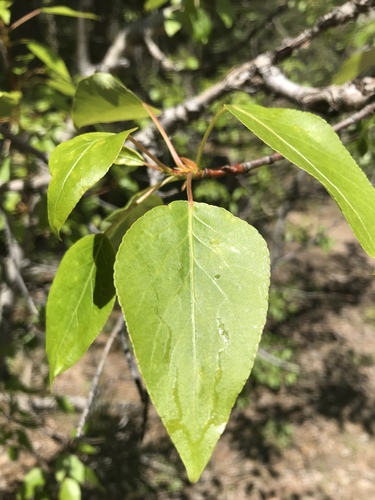
British Columbia, CA
Hier kann man sehen Schwarzpappel, Mahonie und Prächtige Seidenpflanze.
Führer anzeigen →
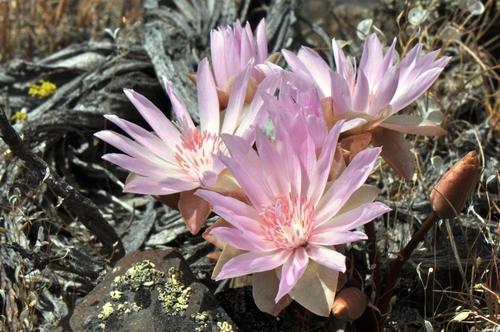
British Columbia, CA
Hier kann man sehen Bitterwurz und Pfeilblatt-Balsamwurzel.
Führer anzeigen →

British Columbia, CA
Hier kann man sehen Glänzender Spierstrauch und Nördlicher Scheckenfalter.
Führer anzeigen →

British Columbia, CA
Hier kann man sehen Brown Elfin, Bärentraube und Schwarzpappel.
Führer anzeigen →
Nimm die Entdeckung mit
Fotografiere deinen Fund mit Snappit, bestimme die Art und füge die Entdeckung deiner Sammlung hinzu.







.jpg&width=800)


