






Brown-belted Bumble Bee
Bombus griseocollis
The Brown-belted Bumble Bee is a fuzzy little insect that helps flowers grow by spreading pollen. They are friendly and love to buzz around gardens and fields, making them important for nature!
Lebensraum: Grasslands
The Brown-belted Bumble Bee has a mostly black body with a distinctive brown-orange band across its second abdominal segment. Its thorax is typically covered in yellow hairs, and its head is mostly black. This coloration helps distinguish it from other bumble bee species.
Kategorie
InsektenSeltenheit
Common
Gefahr
1/5 · Sehr gering
Snaps
Mach den ersten Snap!
Wow! A queen bumble bee can live for up to a year, but her workers only live a few weeks.
Wow! Bumble bees build their nests underground, often in old rodent burrows, keeping them safe!
Wow! Some bumble bees 'rob' nectar by biting holes in flowers that are too deep to reach.
Wow! These bees can learn and remember which flowers are the best sources of nectar and pollen.
Brown-belted Bumble Bee can buzz rapidly to shake pollen from flowers, helping them gather more food.
Brown-belted Bumble Bee can shiver its muscles to warm up, allowing it to fly in cooler weather than many other insects.
Brown-belted Bumble Bee has a special stomach to store nectar, letting it carry sweet treats back to its colony.
These busy bees sip sweet nectar for energy and gather pollen for protein!
Cirsium arvense
Visits thistle flowers, helping them make seeds.

Asclepias syriaca
Feeds on nectar and pollen from milkweed flowers.
.jpg&width=800)
Tyrannus tyrannus
Adult bees can be caught and eaten by these birds.
Physocephala tibialis
Flies lay eggs inside bees, and larvae eat them from within.
Pelzig beschreibt Tiere, die eine dichte Schicht aus weichen Haaren oder Fell besitzen.
Soziale Tiere leben in organisierten Gruppen und kooperieren, um ihr Überleben zu sichern, beispielsweise bei der Nahrungssuche, Verteidigung und Aufzucht der Jungen.
Beschreibt Pflanzen, die für eine Vielzahl von bestäubenden Organismen besonders attraktiv und nützlich sind.
Grasland-Lebensräume sind terrestrische Biome, die von Gräsern und krautigen Pflanzen dominiert werden und einer Vielzahl von Weidetieren als Lebensraum dienen.

Dieses Merkmal kennzeichnet Lebewesen, deren Ernährung vollständig oder hauptsächlich aus pflanzlichem Material besteht.

Beschreibt eine Art, deren Anwesenheit und Rolle einen unverhältnismäßig großen Einfluss auf ihre Umwelt haben.

Tagaktive Tiere sind hauptsächlich bei Tageslicht aktiv und ruhen oder schlafen in der Regel nachts.

Beschreibt Organismen, die Pollen übertragen und so die Befruchtung und Fortpflanzung von Pflanzen ermöglichen.
Gefahr
1/5 · Sehr gering
Bumble bees are usually not aggressive, but it's best to stay calm and not swat at them.
20-35 mm
9-18 mm
20-45 Tage
18 km/h
These busy bees sip sweet nectar for energy and gather pollen for protein!
Grasslands
Foraging
6
Zoome hinein, um Cluster aufzulösen und zu sehen, wo dieses Objekt fotografiert wurde.
Neueste Snaps erscheinen hier, wenn neue Beobachtungen hinzukommen.
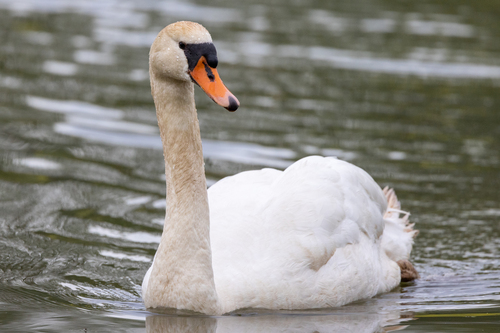
New York, US
Hier kann man sehen Höckerschwan, Ente und Haussperling.
Führer anzeigen →
.JPG)
Massachusetts, US
Hier kann man sehen Virginia Bluebells und Great Golden Digger Wasp.
Führer anzeigen →

Massachusetts, US
Hier kann man sehen Ente, Wanderdrossel und Höckerschwan.
Führer anzeigen →
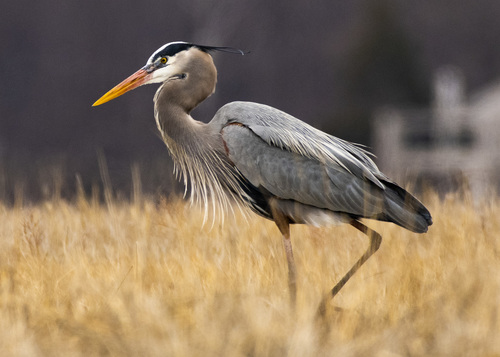
Virginia, US
Hier kann man sehen Kanadareiher, Kanadagans und Rotschulterstärling.
Führer anzeigen →
.jpg)
District of Columbia, US
Hier kann man sehen Ente, östliches Grauhörnchen und Europäischer Star.
Führer anzeigen →
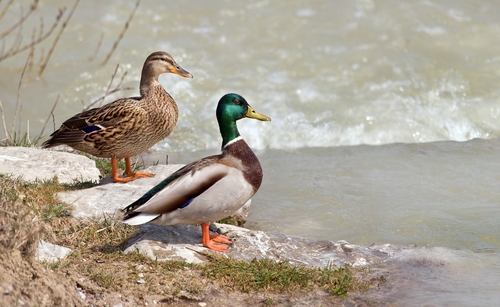
Illinois, US
Hier kann man sehen Ente, Wanderdrossel und Black-Crowned Night Heron.
Führer anzeigen →




_1.jpg&width=800)









