





Cacomistle
Bassariscus sumichrasti
Cacomistles sind niedliche, kleine Säugetiere, die wie eine Mischung aus Katze und Waschbär aussehen! Sie sind bekannt für ihre langen Schwänze und ihre verspielte Natur, oft klettern sie auf Bäume und erkunden ihre Umgebung.
Lebensraum: Wälder
Das Cacomistle ist ein schlankes, mittelgroßes Säugetier, das einer schlanken Katze mit einem langen, buschigen Schwanz ähnelt. Sein Fell ist typischerweise graubraun bis rotbraun auf der Oberseite, mit einer cremefarbeneren Unterseite. Das markanteste Merkmal ist sein auffälliger schwarz-weiß geringelter Schwanz, länger als sein Körper, und große, dunkle Augen.
Kategorie
SäugetiereSeltenheit
Common
Gefahr
2/5 · Gering
Snaps
Mach den ersten Snap!
Mutter-Cacomistles bringen ihre Babys in neue Verstecke, wenn sie Gefahr wittern!
Manchmal als 'Ringelschwanzkatze' bezeichnet, lebt es aber weit entfernt von seinem nordamerikanischen Cousin!
Ihr superlanger, gestreifter Schwanz kann länger sein als ihr gesamter Körper!
Sie können ihre Hinterpfoten um 180 Grad drehen, um Bäume kopfüber herunterzuklettern!
Diese anpassungsfähigen Allesfresser genießen eine abwechslungsreiche Speisekarte aus Früchten, Insekten und winzigen Waldtieren.
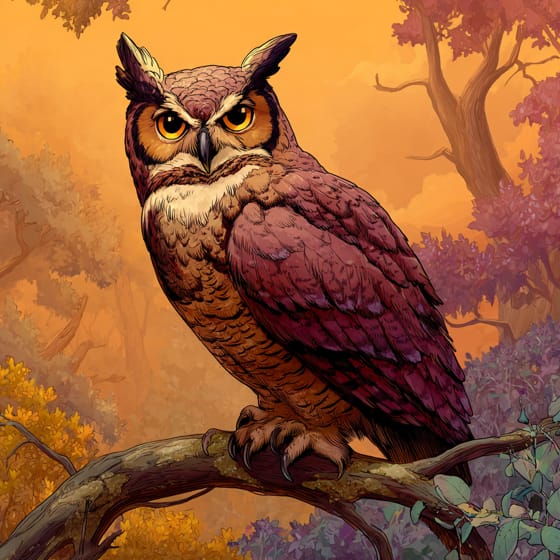
Bubo virginianus
Ein nachtaktiver Jäger, der Cacomistles in ihren Waldlebensräumen jagt.
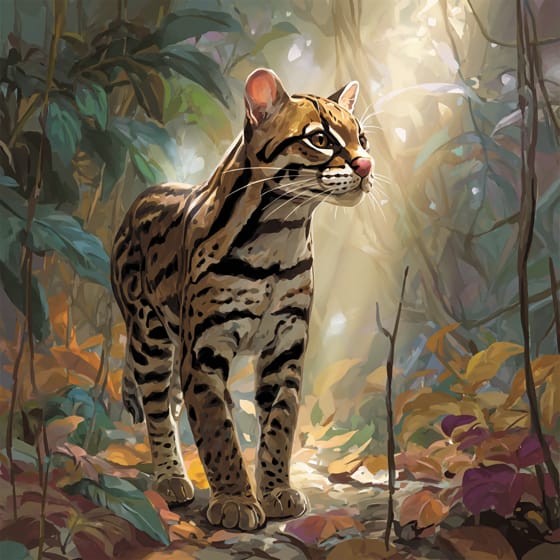
Leopardus pardalis
Ein agiler Katzenprädator, der Cacomistles in gemeinsamen Lebensräumen jagt.
Boa constrictor
Überfällt und erwürgt baumbewohnende Cacomistles von Ästen.
Peromyscus mexicanus
Cacomistles jagen diese kleinen Nagetiere aktiv im Waldunterholz.
Pelzig beschreibt Tiere, die eine dichte Schicht aus weichen Haaren oder Fell besitzen.
Soziale Tiere leben in organisierten Gruppen und kooperieren, um ihr Überleben zu sichern, beispielsweise bei der Nahrungssuche, Verteidigung und Aufzucht der Jungen.
Dieses Merkmal kennzeichnet Organismen, deren Ernährung sowohl pflanzliche als auch tierische Bestandteile umfasst.
Baumbewohnende Tiere leben hauptsächlich in Bäumen und nutzen diese als Unterschlupf, Nahrungsquelle und zum Schutz vor Raubtieren.

Waldlebensräume sind terrestrische Lebensräume, die von dichtem Baumbestand dominiert werden und eine große Vielfalt an Pflanzen- und Tierarten beherbergen.

Nachtaktive Tiere sind hauptsächlich in den Nachtstunden aktiv und ruhen oder schlafen normalerweise tagsüber.
Noch keine Alternativnamen vorhanden.
Gefahr
2/5 · Gering
Cacomistles sind Wildtiere, daher ist es am besten, sie aus der Ferne zu beobachten und nicht zu versuchen, sie anzufassen.
Der einfachste Weg, Cacomistle zu bestimmen, ist die Verwendung der Naturführer-App Snappit.
77-100 cm
0.8-1.5 kg
6-10 Jahre
20 km/h
Diese anpassungsfähigen Allesfresser genießen eine abwechslungsreiche Speisekarte aus Früchten, Insekten und winzigen Waldtieren.
Wälder
Nahrungssuche
Zoome hinein, um Cluster aufzulösen und zu sehen, wo dieses Objekt fotografiert wurde.
Neueste Snaps erscheinen hier, wenn neue Beobachtungen hinzukommen.
Nimm die Entdeckung mit
Fotografiere deinen Fund mit Snappit, bestimme die Art und füge die Entdeckung deiner Sammlung hinzu.




.jpg&width=800)


.JPG&width=800)



.jpg&width=800)
