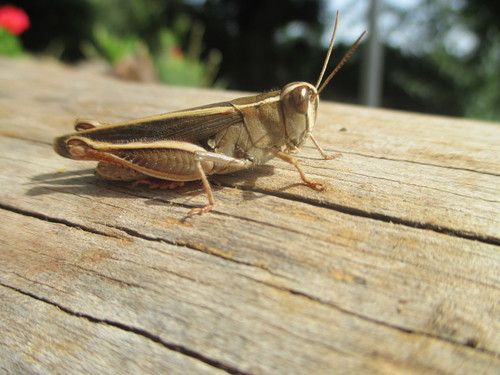


Calliptamus Plebeius
calliptamus plebeius
Der Calliptamus Plebeius, ein Mitglied der Heuschreckenfamilie Acrididae, ist ein häufiges und faszinierendes Insekt, das hauptsächlich im Mittelmeerraum vorkommt. Diese robusten Orthopteren sind gut an trockene, sonnige Umgebungen angepasst und zeigen eine bemerkenswerte Tarnung, die es ihnen ermöglicht, nahtlos mit ihrer Umgebung zu verschmelzen. Oft aufgrund ihres unscheinbaren Aussehens übersehen, spielen sie eine entscheidende Rolle in Graslandökosystemen als Primärkonsumenten, die Pflanzenmaterial in Energie für höhere trophische Ebenen umwandeln. Ihr Lebenszyklus, vom Ei über die Nymphe bis zum erwachsenen Tier, entfaltet sich schnell während der wärmeren Monate, was sie zu einem lebendigen Bestandteil sommerlicher Landschaften macht.
Lebensraum: In trockenen, offenen Lebensräumen wie mediterraner Macchie, Garrigue, steinigen Graslandschaften, Brachfeldern und sonnigen Hängen mit spärlicher Vegetation zu finden.
Calliptamus Plebeius ist eine mittelgroße Heuschrecke, typischerweise zwischen 1,5 und 3,5 cm lang, wobei die Weibchen merklich größer sind als die Männchen. Ihre Färbung ist sehr variabel und zeigt gewöhnlich Grau-, Braun- oder Rotbrauntöne, oft gesprenkelt, was eine ausgezeichnete Tarnung gegen trockene Vegetation und Erde bietet. Ein wichtiges Erkennungsmerkmal ist ihr charakteristisches 'schräges' Gesichtsprofil. Die hinteren Schienbeine weisen häufig einen auffälligen rötlichen oder orangefarbenen Farbton auf. Ihre Vorderflügel (Tegmina) sind gut entwickelt und ragen oft über den Hinterleib hinaus, während die Hinterflügel normalerweise transparent oder schwach gefärbt sind.
Kategorie
InsektenSeltenheit
Gewöhnlich
Gefahr
1/5 · Sehr gering
Snaps
Mach den ersten Snap!
Wie viele Heuschrecken kann Calliptamus Plebeius ein
Calliptamus Plebeius ist ein polyphager Pflanzenfresser, der sich von einer Vielzahl krautiger Pflanzen und Gräser ernährt. Er weidet die Blätter und Stängel der verfügbaren Vegetation ab.

Merops apiaster
Ein häufiger Fressfeind, der verschiedene Insekten, einschließlich Heuschrecken, insbesondere während der Brutzeit frisst.

Lacerta bilineata
Jagt eine Vielzahl von Insekten, die in trockenen Umgebungen vorkommen.
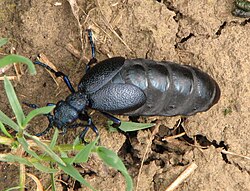
Meloe proscarabaeus
Larven bestimmter Ölkäfer sind parasitär an Heuschreckeneipaketen und fressen die Eier.

Araneus diadematus
Ein breitgefächerter Jäger, der viele Insekten, einschließlich Heuschrecken, in seinen Netzen fängt.
Für dieses Objekt sind noch keine Merkmal-Badges vergeben.
Noch keine Alternativnamen vorhanden.
Sammlungen für dieses Objekt erscheinen hier, wenn weitere Themen hinzugefügt werden.
Gefahr
1/5 · Sehr gering
Noch keine besonderen Sicherheitshinweise.
Achte auf sechs Beine, Fühler, drei Körperabschnitte und die Form der Flügel. Käfer haben gehärtete Vorderflügel, Fliegen nur ein funktionierendes Flügelpaar. Winzige Insekten müssen oft aus der Nähe betrachtet werden, bevor ihre Gruppe klar wird. Insekten bestimmen: Lade ein Foto hoch und vergleiche die sichtbaren Merkmale.
1-3 cm
3-6 cm
0.001-0.005 kg
0 Jahre
Calliptamus Plebeius ist ein polyphager Pflanzenfresser, der sich von einer Vielzahl krautiger Pflanzen und Gräser ernährt. Er weidet die Blätter und Stängel der verfügbaren Vegetation ab.
In trockenen, offenen Lebensräumen wie mediterraner Macchie, Garrigue, steinigen Graslandschaften, Brachfeldern und sonnigen Hängen mit spärlicher Vegetation zu finden.
Nahrungssuche
Zoome hinein, um Cluster aufzulösen und zu sehen, wo dieses Objekt fotografiert wurde.
Neueste Snaps erscheinen hier, wenn neue Beobachtungen hinzukommen.
Nimm die Entdeckung mit
Fotografiere deinen Fund mit Snappit, bestimme die Art und füge die Entdeckung deiner Sammlung hinzu.